
In today’s industrial landscape, water treatment plays a crucial role in maintaining operational efficiency, environmental compliance, and product quality. Murong (Shanghai) International Trading Co., Ltd. stands as a leading supplier of premium water treatment materials, offering comprehensive solutions tailored to diverse industrial needs. With our headquarters in Shanghai and a global clientele, we specialize in providing high-performance products including industrial activated carbon, polyacrylamide, citric acid, and anthracite filter media.
Understanding Industrial Activated Carbon Applications
Activated carbon remains one of the most versatile and effective materials in water treatment applications. Our product range includes coconut shell activated carbon, powdered activated carbon, columnar activated carbon, spherical activated carbon, and honeycomb activated carbon. Each type offers distinct advantages depending on the specific treatment requirements:
Coconut shell activated carbon, derived from renewable coconut husks, excels in removing organic contaminants, chlorine, and odors from water. Its high surface area and microporous structure make it particularly effective for potable water treatment, beverage production, and pharmaceutical applications. The material’s natural origin also appeals to environmentally conscious industries seeking sustainable solutions.
Powdered activated carbon provides rapid adsorption capabilities for emergency spill response or temporary water treatment needs. Its fine particle size allows for quick dispersion in water systems, making it ideal for removing sudden contaminants or adjusting water quality parameters during production processes. Many food and beverage manufacturers maintain powdered activated carbon on-site for immediate use in quality control scenarios.
Columnar and spherical activated carbon variants offer enhanced mechanical strength and lower pressure drop characteristics, making them suitable for fixed-bed filtration systems. These shapes maintain their structural integrity during backwashing procedures, extending service life and reducing operational costs. The consistent particle size distribution ensures uniform flow through the filtration media, optimizing treatment efficiency.
Polyacrylamide: The Key to Efficient Wastewater Treatment
As an essential flocculating agent, polyacrylamide plays a vital role in industrial wastewater treatment processes. Our polyacrylamide products come in various molecular weights and charge densities to address different treatment challenges:
Cationic polyacrylamide effectively neutralizes negatively charged particles in wastewater, promoting aggregation and precipitation of suspended solids. This makes it particularly valuable in treating organic-laden wastewater from food processing, paper manufacturing, and textile industries. The flocculation process significantly reduces turbidity and chemical oxygen demand (COD), preparing water for safe discharge or reuse.
Anionic polyacrylamide serves well in mineral processing applications and wastewater containing positively charged particles. It helps separate valuable minerals from gangue in ore beneficiation processes while minimizing water consumption. The water recovered through this process can often be recycled within the plant, reducing freshwater intake and environmental impact.
Non-ionic polyacrylamide finds applications in sugar refining, starch processing, and other industries where charge neutralization isn’t the primary requirement. Its ability to bridge particles through physical entanglement makes it effective for clarifying solutions with low suspended solids concentrations.
Proper dosage and application of polyacrylamide require careful consideration of water chemistry parameters. Our technical team provides comprehensive support to help clients optimize their treatment processes, including jar testing services to determine the most effective product and dosage for specific wastewater characteristics.
Key Parameters for Polyacrylamide Selection
Choosing the right polyacrylamide involves evaluating several critical factors:
- Molecular weight: Higher molecular weight products offer better flocculation but may be more difficult to dissolve
- Charge density: Determines the product’s ability to neutralize specific types of charged particles
- Dissolution time: Critical for maintaining continuous treatment processes without interruption
- Residual monomer content: Important for food-grade applications and environmental safety
- pH stability: Ensures consistent performance across varying water chemistry conditions
| Polyacrylamide Type | Typical Applications | Dosage Range |
|---|---|---|
| Cationic | Food processing, paper mills, municipal wastewater | 1-10 ppm |
| Anionic | Mineral processing, textile dyeing, construction | 0.5-5 ppm |
| Non-ionic | Sugar refining, starch processing, beverage production | 0.2-3 ppm |
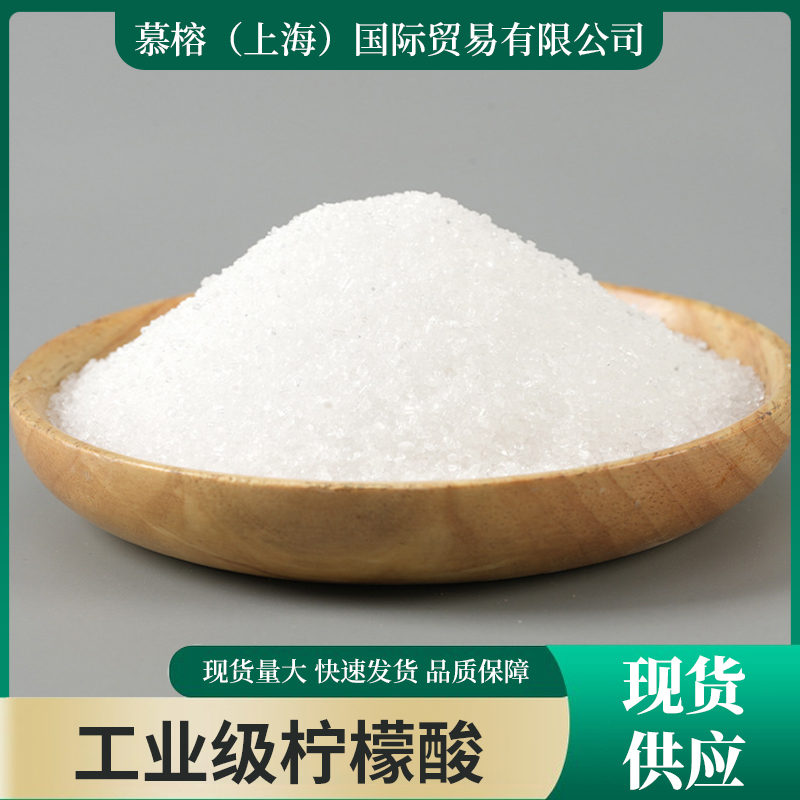
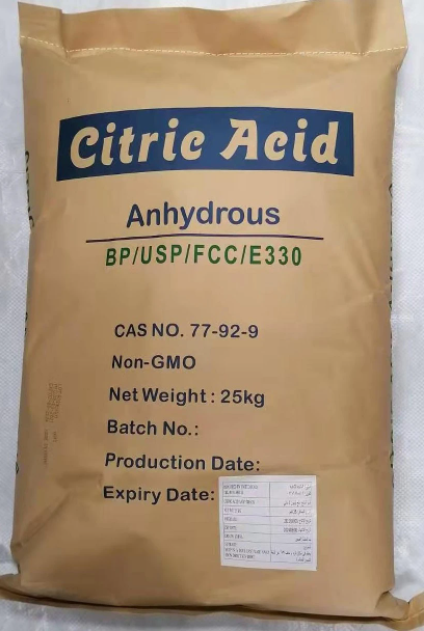
Citric Acid: The Natural Choice for Water System Maintenance
Citric acid serves multiple roles in industrial water treatment beyond its well-known applications in food and beverage industries. As a biodegradable and environmentally friendly chemical, it offers several advantages for system maintenance and cleaning:
In boiler systems, citric acid provides effective descaling without the hazards associated with strong mineral acids. Its chelating properties help dissolve calcium carbonate and other mineral deposits that accumulate over time, restoring system efficiency and preventing costly breakdowns. The mild nature of citric acid reduces the risk of corrosion to metal components when used according to recommended procedures.
Cooling tower maintenance benefits significantly from citric acid treatments. Regular cleaning with citric acid solutions helps control biological growth while removing mineral scale that can reduce heat transfer efficiency. The natural antibacterial properties of citric acid complement traditional biocides, offering a more sustainable approach to cooling system management.
Reverse osmosis (RO) membrane systems require periodic cleaning to maintain performance. Citric acid serves as an effective cleaning agent for removing inorganic foulants like calcium, magnesium, and iron deposits from membrane surfaces. Its gentle action helps preserve membrane integrity while restoring flow rates and rejection efficiency.
Proper citric acid maintenance procedures involve careful consideration of concentration, temperature, and contact time. Our technical experts provide customized cleaning protocols based on system specifications and water chemistry analysis, ensuring optimal results without damaging equipment.
Anthracite Filter Media: The Foundation of Effective Filtration
As a key component in multi-media filtration systems, anthracite filter media provides exceptional performance for removing suspended solids from water. Our premium anthracite offers several advantages over traditional sand filters:
The sub-angular shape of anthracite particles creates more void space between media layers compared to rounded sand particles. This increased porosity allows for higher service flow rates without compromising filtration efficiency. Water passes through the filter bed more easily, reducing pressure drop and energy consumption in pumping systems.
Anthracite’s density provides excellent particle retention capabilities while maintaining good hydraulic characteristics. When used in combination with sand and garnet in multi-media filters, anthracite forms the top layer that captures larger particles, protecting finer media below from premature clogging. This stratification extends filter run times and reduces backwash frequency.
The hardness of anthracite ensures long service life with minimal attrition loss. Unlike softer materials that break down over time, anthracite maintains its size and shape through thousands of backwash cycles. This durability translates to consistent filtration performance and lower operational costs over the life of the filtration system.
Proper anthracite filter media selection involves evaluating particle size distribution, uniformity coefficient, and effective size parameters. Our products meet stringent quality standards to ensure optimal performance in various filtration applications, from potable water treatment to industrial process water systems.
FAQ
How often should industrial activated carbon filters be replaced?
The replacement frequency depends on several factors including inlet water quality, flow rate, and specific contaminant levels. Typically, coconut shell activated carbon filters last between 6-18 months under normal operating conditions. Regular monitoring of effluent quality through periodic testing helps determine the optimal replacement schedule for your specific application.
What safety precautions should be taken when handling polyacrylamide?
While polyacrylamide itself is non-toxic, its dust can cause respiratory irritation. Always wear appropriate personal protective equipment including dust masks, gloves, and eye protection when handling dry powder. Store products in a cool, dry place away from direct sunlight and incompatible materials. Follow all local regulations for chemical storage and handling.
Can citric acid be used in all types of water systems?
Citric acid is suitable for most water systems but should be used with caution in systems containing aluminum components, as prolonged exposure to acidic conditions may cause corrosion. Always perform a compatibility test or consult with our technical team before using citric acid in systems with specialized materials of construction.
What is the backwash rate for anthracite filter media?
The recommended backwash rate for anthracite filter media typically ranges between 12-15 gallons per minute per square foot (gpm/ft²) of filter area. Proper backwash flow ensures complete media expansion (approximately 15-20% of bed depth) to effectively remove trapped particles without causing media loss. Adjust backwash duration based on raw water quality and filter run times.
Summary
Murong (Shanghai) International Trading Co., Ltd. delivers comprehensive solutions for industrial water treatment needs through our premium product range and technical expertise. From high-performance activated carbon variants to specialized polyacrylamide formulations, citric acid maintenance chemicals, and durable anthracite filter media, we provide materials that meet the stringent requirements of modern industrial processes.
Our commitment to quality extends beyond product supply. We offer complete technical support including system design assistance, dosage recommendations, and maintenance protocols tailored to your specific application. With a focus on sustainability and operational efficiency, we help clients optimize their water treatment processes while minimizing environmental impact.
As a trusted partner for global industrial clients, we maintain rigorous quality control standards throughout our supply chain. From raw material sourcing to final product inspection, every step ensures consistent performance and reliability. Contact us today to discover how our water treatment solutions can enhance your operational efficiency and product quality.