
Water purification is a critical process in Japanese waterworks, ensuring safe drinking water for millions of residents. Selecting the right water treatment materials is essential for maintaining high water quality standards while optimizing operational efficiency. This comprehensive guide explores the most suitable water treatment materials for Japanese waterworks, focusing on four key products: coconut shell activated carbon, polyacrylamide, citric acid, and anthracite filter media. We’ll examine their applications, selection criteria, and recommended suppliers from China’s leading water treatment material exporter – Murong (Shanghai) International Trading Co., Ltd.
Understanding Japanese Waterworks’ Requirements
Japanese waterworks are renowned for their stringent water quality standards and advanced purification technologies. The country’s water purification process typically involves multiple stages including coagulation, sedimentation, filtration, and disinfection. Each stage requires specific treatment materials to effectively remove contaminants while ensuring minimal impact on water taste and odor.
The selection of water treatment materials for Japanese waterworks must consider several factors:
- Compliance with Japan’s Waterworks Law and related regulations
- High purification efficiency for various contaminants
- Consistent quality and reliable supply
- Cost-effectiveness and operational efficiency
- Environmental sustainability and safety
1. Coconut Shell Activated Carbon: The Gold Standard for Water Purification
Coconut shell activated carbon stands out as the premier choice for drinking water purification in Japanese waterworks. Its unique micro-porous structure provides exceptional adsorption capacity for organic compounds, chlorine, odors, and tastes that conventional filtration methods cannot remove.
Why Coconut Shell Activated Carbon is Preferred:
Compared to other raw materials like coal or wood, coconut shell activated carbon offers superior performance for water treatment applications:
- Higher iodine number: Typically 900-1200 mg/g, indicating greater adsorption capacity
- More micro-pores: Effective for removing small molecular contaminants
- Lower ash content: Results in cleaner water with fewer impurities
- Renewable source: More environmentally sustainable than coal-based alternatives
- Consistent quality: Coconut shells provide uniform raw material for reliable performance
In Japanese waterworks, coconut shell activated carbon is primarily used in granular form (GAC) for fixed-bed filters or in powdered form (PAC) for rapid mixing processes. The material’s hardness and abrasion resistance ensure long service life with minimal dust generation during operation.
Selection Criteria for Coconut Shell Activated Carbon:
When sourcing coconut shell activated carbon for Japanese waterworks, consider these key parameters:
| Parameter | Specification for Waterworks | Importance |
|---|---|---|
| Iodine Number | 900-1200 mg/g | Indicates adsorption capacity for organic matter |
| Particle Size | 0.4-2.36mm (8×30 mesh) for GAC | Affects filtration rate and contact time |
| Hardness | ≥95% | Resistance to abrasion during backwashing |
| Ash Content | ≤5% | Minimizes inorganic impurities in treated water |
| pH | 7-10 | Affects water chemistry and corrosion potential |
2. Polyacrylamide: The Essential Flocculation Aid
Polyacrylamide (PAM) plays a crucial role in the coagulation-flocculation process of Japanese waterworks. As a synthetic water-soluble polymer, it helps aggregate fine suspended particles into larger flocs that can be more easily removed through sedimentation and filtration.
Applications in Water Treatment:
In Japanese water purification systems, polyacrylamide is primarily used for:
- Enhancing coagulation efficiency when used with metal salts like aluminum sulfate
- Improving sedimentation rates by forming larger, denser flocs
- Reducing sludge volume in sedimentation basins
- Assisting in color removal from surface water sources
- Stabilizing filter performance by preventing fine particle penetration
There are two main types of polyacrylamide used in water treatment:
- Anionic polyacrylamide (APAM): Most commonly used for negatively charged particles in neutral or alkaline water
- Cationic polyacrylamide (CPAM): Effective for positively charged particles or in acidic conditions
Selection Considerations for Japanese Waterworks:
When choosing polyacrylamide for Japanese water treatment applications, several factors require careful evaluation:
- Molecular weight: Typically ranges from 5-25 million g/mol; higher molecular weight provides better flocculation but may cause filter blocking if not properly dosed
- Charge density: The degree of ionization affects floc strength and settling velocity
- Residual monomer content:
- Must comply with Japan’s strict limits for acrylamide monomers (typically ≤0.05%)
- Solubility and dissolution rate: Fast-dissolving grades reduce preparation time and ensure consistent dosing
- pH compatibility: Should match the water’s pH for optimal performance
3. Citric Acid: The Versatile Water Treatment Chemical
Citric acid monohydrate finds multiple applications in Japanese waterworks beyond its common use as a food additive. Its chelating properties and biodegradability make it an environmentally friendly choice for various water treatment processes.
Key Applications in Water Purification:
Japanese water treatment facilities utilize citric acid for:
- Iron and manganese removal: Chelates dissolved metals for easier filtration
- Scale inhibition: Prevents calcium carbonate scale formation in pipes and equipment
- pH adjustment: Acts as a natural buffer to maintain optimal water chemistry
- Disinfection enhancement:
- Improves the effectiveness of chlorine-based disinfectants
- Membrane cleaning:
- Effective for removing organic and inorganic foulants from RO membranes
Advantages Over Alternative Chemicals:
Compared to traditional water treatment chemicals, citric acid offers several benefits for Japanese waterworks:
- Biodegradable: Breaks down naturally without leaving harmful residues
- Non-corrosive:
- Safer for equipment and infrastructure than strong acids
- Food-grade quality available:
- Suitable for drinking water applications with strict purity requirements
- Multi-functional:
- Reduces the need for multiple chemicals in the treatment process
- Low toxicity:
- Safer for operators and the environment
4. Anthracite Filter Media: The Durable Filtration Solution
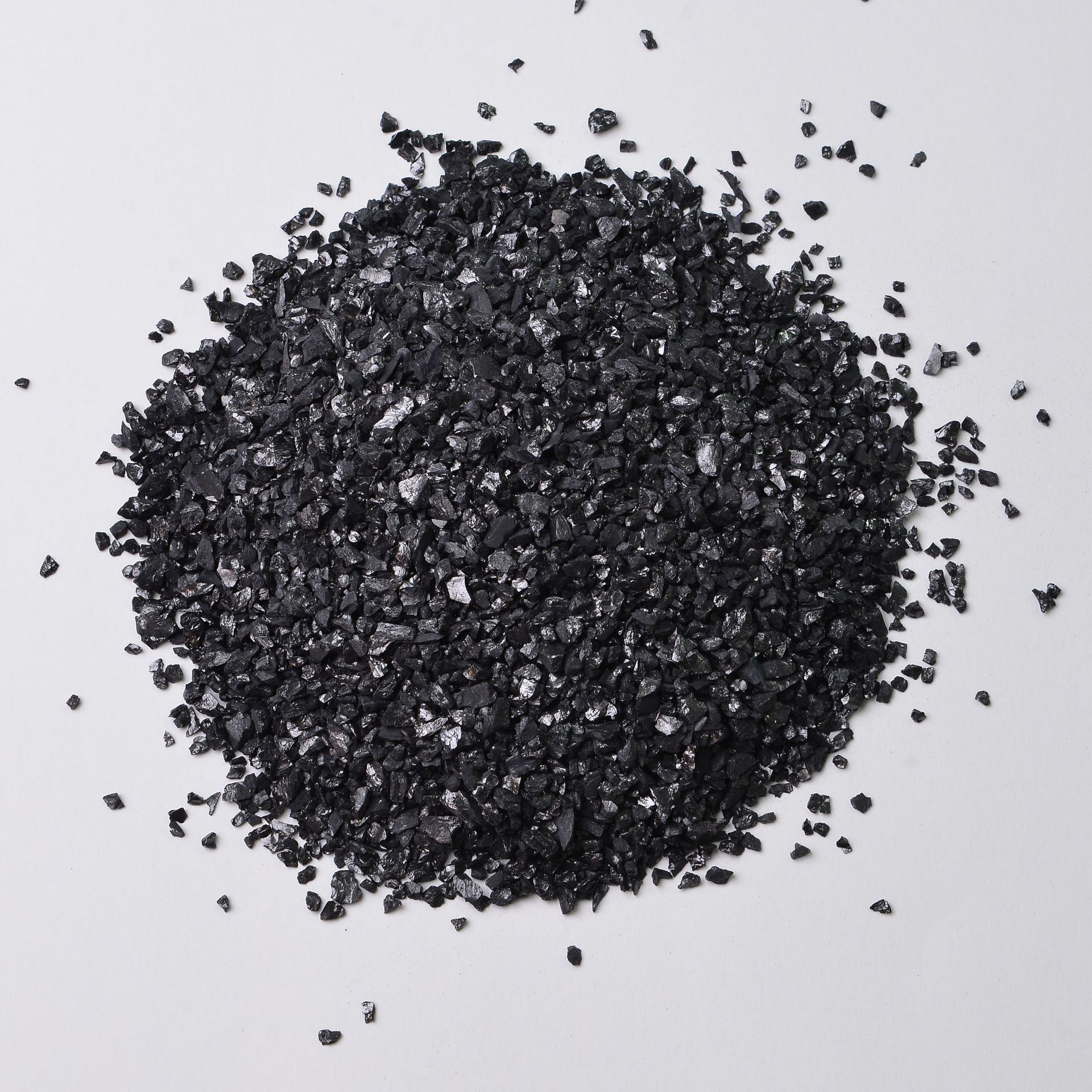
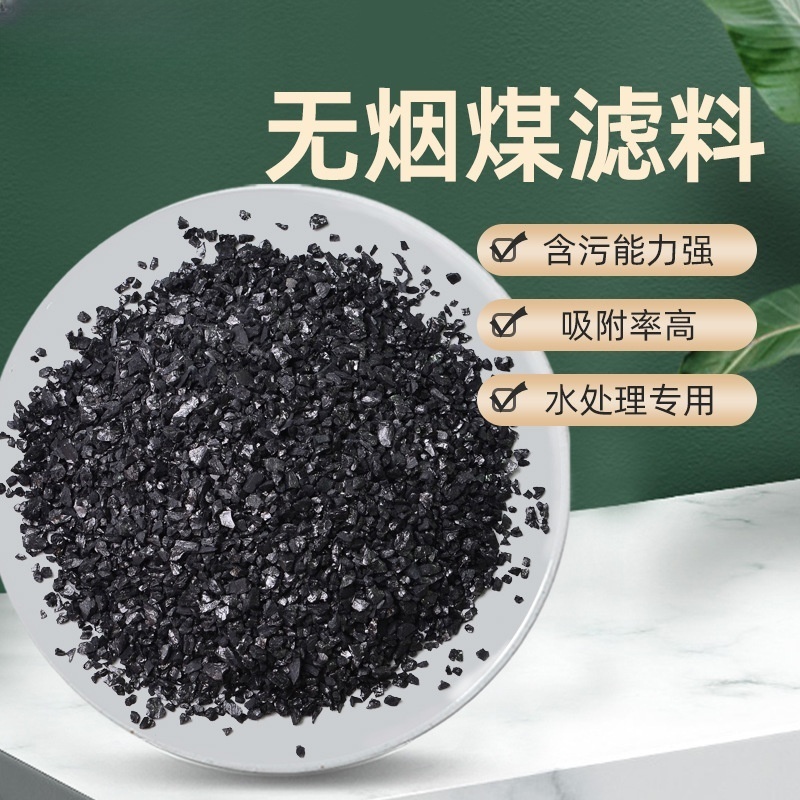
Anthracite coal filter media remains a staple in Japanese waterworks for multi-media filtration systems. Its unique properties make it an excellent choice for removing suspended solids, turbidity, and organic matter from drinking water.
Why Anthracite is Preferred for Water Filtration:
Compared to other filter media options, anthracite offers several advantages:
- High hardness: Resists abrasion and maintains structural integrity during backwashing
- Low density:
- Allows for deeper filter beds and longer service cycles
- Chemical stability:
- Does not react with water treatment chemicals or dissolved substances
- Uniform size:
- Ensures consistent filtration performance across the entire bed
- Long service life:
- Can last 5-10 years with proper maintenance
Anthracite Specifications for Japanese Waterworks:
When selecting anthracite filter media, Japanese water treatment facilities should look for these key specifications:
| Property | Typical Specification | Significance |
|---|---|---|
| Size Range | 0.6-1.2mm (14×30 mesh) | Affects filtration rate and efficiency |
| Uniformity Coefficient | ≤1.6 | Indicates size consistency; lower is better |
| Hardness | ≥95% (Mohs scale) | Resistance to abrasion during operation |
| Specific Gravity | 1.4-1.6 | Affects backwash requirements and bed expansion |
| Acid Solubility | ≤2% | Indicates chemical stability |
Selecting Reliable Suppliers from China
China has emerged as a leading global supplier of water treatment materials, offering high-quality products at competitive prices. When selecting a Chinese supplier for Japanese waterworks, consider these critical factors:
- Certifications and compliance: Look for ISO 9001, ISO 14001, and relevant industry certifications. For drinking water applications, ensure products meet Japan’s Waterworks Law and JIS standards.
- Production capacity: Choose suppliers with sufficient capacity to ensure consistent supply, especially for large-scale waterworks projects.
- Quality control: Inquire about their testing procedures and quality assurance systems. Reputable suppliers should provide batch-specific test reports.
- Technical support: The supplier should offer technical assistance for product selection, dosage recommendations, and troubleshooting.
- Logistics capabilities:
- Ensure they can handle the documentation and shipping requirements for exports to Japan.
- Reputation and references:
- Check their track record with other Japanese or international water treatment clients.
FAQ
What is the most important factor when selecting activated carbon for Japanese waterworks?
The iodine number is the most critical parameter, as it indicates the activated carbon’s capacity to adsorb organic contaminants. For Japanese waterworks, we recommend coconut shell activated carbon with an iodine number between 900-1200 mg/g to ensure effective removal of taste, odor, and organic compounds.
How does polyacrylamide improve water treatment efficiency?
Polyacrylamide acts as a flocculation aid by bridging fine suspended particles together to form larger, heavier flocs that settle more rapidly. This enhances the coagulation-sedimentation process, reduces sludge volume, and improves overall treatment efficiency, particularly for waters with high turbidity or low color.
Is citric acid safe for drinking water treatment?
Yes, food-grade citric acid monohydrate is completely safe for drinking water treatment when used within recommended dosage limits. It’s biodegradable, non-toxic, and doesn’t leave harmful residues. Many Japanese waterworks use citric acid for iron removal, scale inhibition, and pH adjustment in their treatment processes.
What makes anthracite better than sand for water filtration?
Anthracite offers several advantages over sand for water filtration: its lower density allows for deeper filter beds and longer service cycles; its higher hardness makes it more resistant to abrasion; and its chemical stability prevents reactions with water treatment chemicals. When used in multi-media filters with sand and garnet, anthracite provides excellent pre-filtration to protect finer media layers.
How can I verify the quality of water treatment materials from Chinese suppliers?
To ensure quality when sourcing from China: 1) Request detailed product specifications and batch-specific test reports; 2) Verify relevant certifications like ISO 9001 and industry-specific approvals; 3) Consider third-party inspection services for pre-shipment verification; 4) Start with a small trial order to evaluate product performance; 5) Choose suppliers with a proven track record of exporting to Japan or other developed markets.
Summary
Selecting the right water treatment materials is crucial for maintaining Japan’s high standards for drinking water quality. Coconut shell activated carbon, polyacrylamide, citric acid, and anthracite filter media each play vital roles in different stages of the purification process. When sourcing these materials from Chinese suppliers, Japanese waterworks should prioritize product quality, regulatory compliance, and supplier reliability.
Murong (Shanghai) International Trading Co., Ltd. stands out as a trusted partner for Japanese waterworks, offering high-quality water treatment materials that meet stringent international standards. With our extensive industry experience, professional technical team, and commitment to customer service, we help Japanese clients optimize their water treatment processes while reducing costs.
For more information about our water treatment materials or to request samples for testing, please contact our sales team. We’re dedicated to providing customized solutions that help you achieve your water purification goals efficiently and reliably.