
Water treatment is a critical process in various industries, ensuring the quality and safety of water for different applications. Murong (Shanghai) International Trading Co., Ltd., a leading water treatment materials supplier based in Shanghai, offers a comprehensive range of high-quality products for professional water purification solutions. This guide provides an in-depth look at our main products, their applications, and how to select the right materials for your specific needs.
Understanding Water Treatment Materials
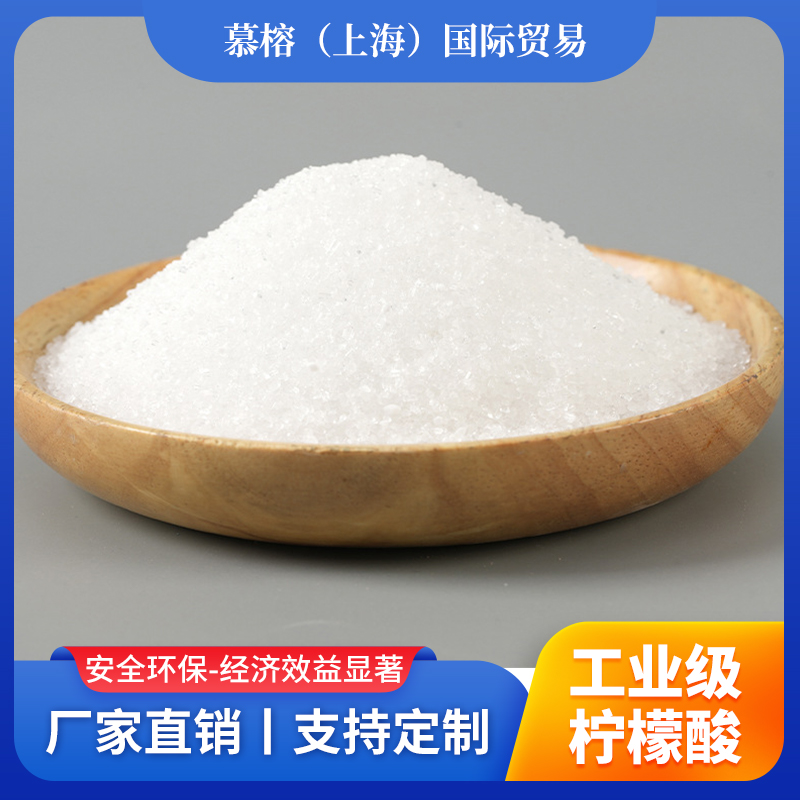
Water treatment materials are essential components in the purification process, designed to remove contaminants, improve water quality, and make it suitable for various industrial and domestic applications. At Murong International, we specialize in four main categories of water treatment materials: industrial activated carbon, polyacrylamide, citric acid, and anthracite filter media.
Each of these materials plays a unique role in water treatment, offering specific advantages depending on the application requirements. Understanding their properties and functions is crucial for selecting the most effective solution for your water purification needs.
Industrial Activated Carbon: The Power of Adsorption
Activated carbon is a highly porous material with an extensive surface area, making it an excellent adsorbent for removing impurities from water. Our industrial activated carbon comes in various forms, including coconut shell granular activated carbon, powdered activated carbon, columnar activated carbon, spherical activated carbon, and honeycomb activated carbon.
The choice of activated carbon form depends on the specific application:
- Coconut shell granular activated carbon: Ideal for drinking water purification and food-grade applications due to its high purity and excellent adsorption capacity
- Powdered activated carbon: Effective for rapid adsorption in emergency water treatment situations or for color and odor removal
- Columnar activated carbon: Suitable for gas phase applications and air purification systems
- Spherical activated carbon: Offers uniform particle size for consistent performance in fixed-bed filtration systems
- Honeycomb activated carbon: Designed for high airflow applications with low pressure drop, commonly used in VOC treatment systems
Activated carbon works through the process of adsorption, where contaminants adhere to the surface of the carbon particles. This makes it highly effective for removing organic compounds, chlorine, odors, and tastes from water, making it an essential component in many water treatment systems.
Polyacrylamide: The Flocculation Expert
Polyacrylamide (PAM) is a water-soluble polymer that plays a crucial role in water treatment as a flocculating agent. It works by causing small suspended particles in water to clump together (flocculate), making them easier to remove through sedimentation or filtration.
Our polyacrylamide products are available in different molecular weights and charge densities to suit various applications:
- Anionic polyacrylamide: Effective for treating water with negatively charged particles, commonly used in wastewater treatment and mining operations
- Cationic polyacrylamide: Ideal for water containing positively charged particles, often used in paper making and textile industries
- Non-ionic polyacrylamide: Suitable for neutral or slightly alkaline conditions, often used in soil conditioning and oil recovery
The selection of the right polyacrylamide type depends on the nature of the contaminants in the water and the specific treatment process requirements. Our technical team can provide expert guidance on choosing the most appropriate product for your application.
Application Parameters for Polyacrylamide
When using polyacrylamide in water treatment, several parameters need to be considered for optimal performance:
| Parameter | Recommended Range | Effect |
|---|---|---|
| Dosage | 0.1-5 ppm | Determines floc size and settling rate |
| pH | 5-9 | Affects polymer ionization and floc formation |
| Mixing intensity | 100-300 rpm | Influences polymer dispersion and floc growth |
| Mixing time | 1-5 minutes | Ensures complete polymer hydration |
Citric Acid: The Natural Water Conditioner
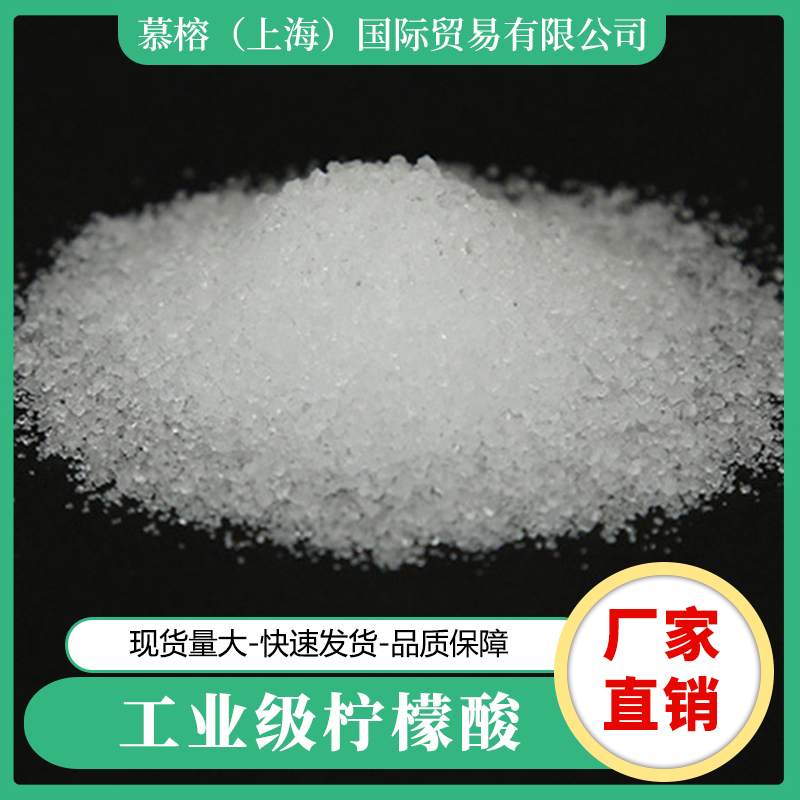
Citric acid is a weak organic acid that finds extensive applications in water treatment as a chelating agent, pH adjuster, and scale inhibitor. Its natural origin and biodegradability make it an environmentally friendly choice for various water treatment processes.
Key applications of citric acid in water treatment include:
- Scale prevention: Citric acid can chelate with calcium and magnesium ions, preventing the formation of scale in boilers, cooling towers, and other water systems
- pH adjustment: As a weak acid, citric acid can be used to lower the pH of alkaline water without causing excessive acidity
- Metal cleaning: Effective for removing rust and mineral deposits from water treatment equipment and pipelines
- Disinfection enhancement: Can improve the effectiveness of chlorine-based disinfectants by reducing pH
Our citric acid is available in both anhydrous and monohydrate forms, allowing for flexibility in different application scenarios. The choice between these forms depends on factors such as storage conditions, handling requirements, and specific process parameters.
Anthracite Filter Media: The Depth Filtration Solution
Anthracite coal, with its high carbon content and low impurity levels, makes an excellent filter media for water treatment applications. Our anthracite filter media is carefully selected and processed to ensure consistent quality and performance in various filtration systems.
Key characteristics of our anthracite filter media:
- High hardness: Resistant to abrasion and breakage, ensuring long service life
- Low density: Provides excellent backwash characteristics and reduces headloss in filtration systems
- Chemical stability: Inert to most chemicals, making it suitable for a wide range of water qualities
- Uniform particle size: Available in various size fractions to meet different filtration requirements
Anthracite filter media is commonly used in multi-media filtration systems, often combined with sand and garnet for effective removal of suspended solids, turbidity, and organic matter. Its depth filtration capability makes it ideal for pre-treatment in reverse osmosis systems and other advanced water treatment processes.
Selecting the Right Water Treatment Materials
Choosing the appropriate water treatment materials for your specific application requires careful consideration of several factors:
1. Water quality analysis: Conduct a comprehensive analysis of your raw water to identify the types and concentrations of contaminants present. This will help determine which materials are most suitable for effective treatment.
2. Treatment objectives: Clearly define your water quality goals, whether it’s meeting drinking water standards, preparing water for industrial processes, or achieving environmental discharge requirements.
3. Process compatibility: Consider how the selected materials will integrate with your existing water treatment infrastructure and processes. Ensure compatibility with other treatment chemicals and equipment.
4. Cost-effectiveness: Evaluate not only the initial cost of the materials but also their long-term performance, maintenance requirements, and operational costs to determine the most economical solution.
5. Regulatory compliance: Ensure that the selected materials meet all relevant local and international standards and regulations for water treatment applications.
At Murong International, our experienced technical team can provide expert guidance throughout the selection process, helping you choose the most appropriate materials for your specific needs and ensuring optimal performance of your water treatment system.
FAQ
What is the main difference between granular and powdered activated carbon?
Granular activated carbon (GAC) has larger particle sizes and is typically used in fixed-bed filtration systems where water passes through a bed of carbon. Powdered activated carbon (PAC) has much smaller particles and is usually added directly to water for rapid adsorption, often used in emergency treatment situations or for color and odor removal.
How often should activated carbon filters be replaced?
The replacement frequency depends on several factors including the type of activated carbon, the quality of the incoming water, the flow rate, and the specific contaminants being removed. As a general guideline, GAC filters may last 6-18 months, while PAC systems require regular replenishment of the carbon. Regular monitoring of effluent quality is essential to determine the optimal replacement schedule.
Can polyacrylamide be used in drinking water treatment?
Yes, certain grades of polyacrylamide can be used in drinking water treatment, but it’s crucial to select products that meet relevant drinking water standards and regulations. Non-ionic or low-charge density polyacrylamides are typically preferred for drinking water applications to minimize potential health concerns. Always verify product compliance with local regulations before use.
What is the shelf life of citric acid for water treatment?
When stored properly in a cool, dry place away from direct sunlight and moisture, citric acid can maintain its quality for 2-3 years or even longer. The anhydrous form generally has a longer shelf life than the monohydrate form. Always check the manufacturer’s expiration date and store the product in its original, tightly sealed container.
How does anthracite filter media compare to sand in filtration performance?
Anthracite offers several advantages over sand in filtration applications. Its lower density results in better backwash characteristics and reduced headloss. The larger particle size of anthracite compared to sand allows for deeper filtration and better removal of larger particles before they reach the finer sand layer in multi-media filters. Additionally, anthracite is more resistant to chemical attack and has a longer service life than sand.
Summary
Selecting the right water treatment materials is crucial for achieving optimal water quality in various industrial and domestic applications. Murong (Shanghai) International Trading Co., Ltd. offers a comprehensive range of high-quality products including industrial activated carbon in multiple forms, specialized polyacrylamide flocculants, environmentally friendly citric acid, and durable anthracite filter media.
Our commitment to quality, combined with our technical expertise and customer-centric approach, makes us the ideal partner for all your water treatment material needs. Whether you require standard products or customized solutions, our team is dedicated to providing professional guidance and support throughout the selection, procurement, and application process.
Contact us today to discuss your specific water treatment requirements and discover how our premium products can help you achieve your water quality goals efficiently and cost-effectively.