
The coal washing industry in Japan faces unique challenges in wastewater treatment, requiring specialized solutions to meet stringent environmental regulations. As a leading international trader of water treatment materials with headquarters in Shanghai, Murong (Shanghai) International Trading Co., Ltd. offers comprehensive solutions for industrial wastewater treatment, particularly in the coal washing sector. This guide provides detailed insights into selecting the most suitable activated carbon and supporting chemicals for coal washing wastewater treatment in Japan, covering product specifications, application scenarios, and supplier selection criteria.
Understanding Coal Washing Wastewater Characteristics
Coal washing wastewater contains suspended solids, organic pollutants, and heavy metals that require specialized treatment before discharge or reuse. The treatment process typically involves coagulation, sedimentation, filtration, and adsorption stages. Activated carbon plays a crucial role in the final adsorption stage, effectively removing residual organic compounds, color, and odor from the treated water.
In Japan’s coal washing industry, wastewater composition varies significantly depending on the coal type, washing process, and water source. This variability demands customized treatment solutions rather than one-size-fits-all approaches. The ideal activated carbon product should be selected based on the specific pollutant profile of each facility’s wastewater.
Key Activated Carbon Products for Coal Washing Wastewater
Murong International offers a comprehensive range of activated carbon products specifically designed for industrial wastewater treatment applications, including coal washing processes. Our product portfolio includes:
1. Coconut Shell Granular Activated Carbon
This premium-grade activated carbon features high surface area (900-1100 m²/g) and excellent pore structure development, making it ideal for removing organic pollutants and color from coal washing wastewater. The hardness of 95% minimum ensures minimal dust generation during operation, while the iodine number of 1000-1200 mg/g guarantees superior adsorption capacity.
2. Columnar Activated Carbon
Designed for fixed-bed filtration systems, our columnar activated carbon offers excellent mechanical strength and low pressure drop characteristics. With particle sizes ranging from 1.5mm to 4.0mm, this product provides consistent performance in continuous operation while maintaining effective pollutant removal efficiency over extended service periods.
3. Honeycomb Activated Carbon
For applications requiring high air/water flow rates with minimal pressure drop, our honeycomb activated carbon provides an optimal solution. The unique structure offers large specific surface area (800-1000 m²/g) while maintaining low resistance to flow, making it suitable for both gas-phase and liquid-phase treatment processes in coal washing facilities.
Supporting Chemicals for Comprehensive Treatment
While activated carbon provides essential final polishing, effective coal washing wastewater treatment requires a combination of chemicals working synergistically. Murong International supplies the following key products to complete your treatment system:
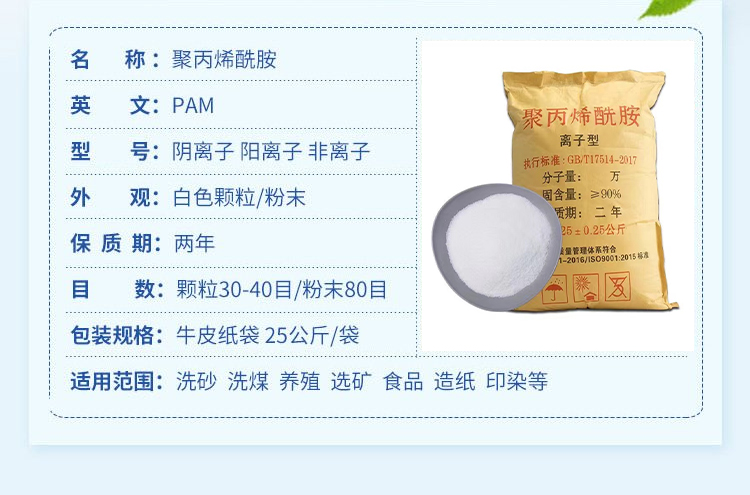
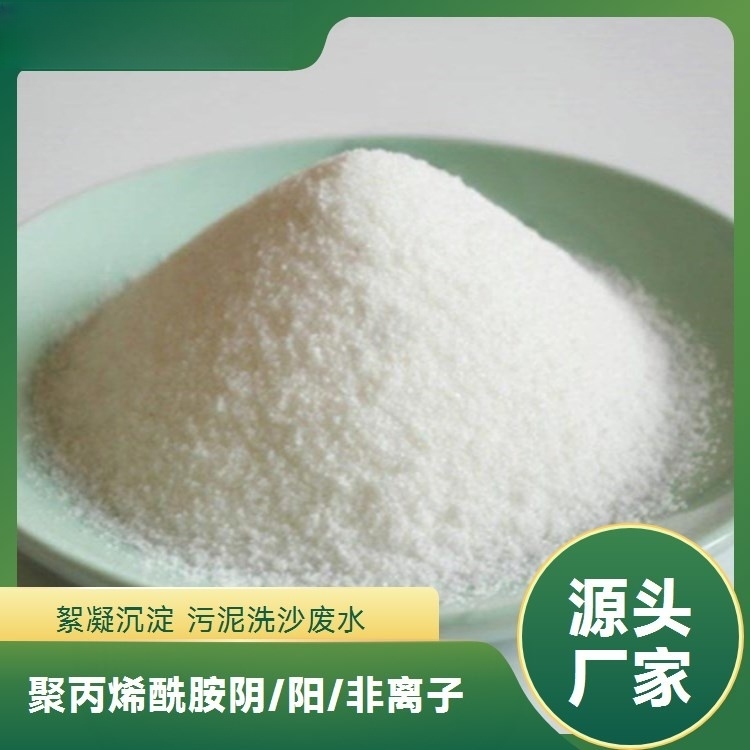
- Polyacrylamide (PAM): Available in cationic, anionic, and nonionic forms, our PAM products serve as excellent flocculants and coagulants, enhancing sedimentation efficiency and reducing suspended solids in wastewater.
- Polyaluminum Chloride (PAC): This inorganic coagulant offers rapid floc formation and excellent settling characteristics, particularly effective for removing colloidal particles and heavy metals from coal washing wastewater.
- Citric Acid: Used for pH adjustment and complexing heavy metals, our food-grade citric acid provides safe and effective treatment without introducing harmful byproducts.
- Anthracite Filter Media: Our high-purity anthracite offers excellent filtration properties for pre-treatment stages, removing larger suspended solids and protecting downstream equipment.
| Product Parameter | Specification | Application |
|---|---|---|
| Coconut Shell Activated Carbon | Iodine Number: 1000-1200 mg/g Surface Area: 900-1100 m²/g Particle Size: 8×30 mesh |
Final polishing stage for organic pollutant removal |
| Polyacrylamide (Cationic) | Molecular Weight: 8-12 million Charge Density: 20-60% |
Coagulation aid for suspended solids removal |
| Polyaluminum Chloride | Al₂O₃ Content: ≥30% Basicity: 40-90% |
Primary coagulant for colloidal particles |
Supplier Selection Criteria for Japanese Buyers
When sourcing water treatment materials for coal washing applications in Japan, several critical factors should be considered to ensure reliable supply and consistent product quality:
1. Product Certification and Compliance
Look for suppliers who can provide comprehensive documentation including material safety data sheets (MSDS), quality certificates, and compliance with relevant Japanese standards such as JIS or JWWA specifications. For food-grade applications, ensure products meet appropriate hygiene standards.
2. Technical Support Capability
Choose suppliers with professional technical teams capable of providing application guidance, dosage recommendations, and troubleshooting assistance. Murong International’s team of chemical engineers and water treatment experts offers comprehensive support from initial consultation to system optimization.
3. Supply Chain Reliability
Given Japan’s strict import regulations and the critical nature of wastewater treatment operations, select suppliers with proven track records in timely delivery and consistent product quality. Our integrated logistics system ensures reliable supply even during peak demand periods.
FAQ
What factors determine the effectiveness of activated carbon in coal washing wastewater treatment?
The adsorption efficiency depends on several factors including the type of activated carbon (coconut shell, coal-based, etc.), pore size distribution, surface area, and the specific pollutants present in the wastewater. Proper selection requires analyzing the wastewater composition through laboratory testing to determine the most suitable product.
How does polyacrylamide differ from activated carbon in wastewater treatment?
Polyacrylamide functions primarily as a flocculant, helping suspended particles aggregate into larger flocs that settle more easily. Activated carbon, on the other hand, works through adsorption to remove dissolved organic compounds, color, and odor. These products typically work in sequence – PAM for solids removal followed by activated carbon for final polishing.
What maintenance considerations are important for activated carbon systems?
Regular monitoring of pressure drop across the carbon bed indicates when regeneration or replacement is needed. For coal washing applications, we recommend monthly sampling of treated water to verify pollutant removal efficiency. Our technical team can provide customized maintenance schedules based on specific operating conditions.
Can these products be used in existing treatment systems?
Absolutely. Our products are designed for compatibility with most standard wastewater treatment equipment including clarification tanks, filtration systems, and adsorption columns. We offer technical guidance on optimal dosage rates and integration with existing processes to minimize modification costs.
Summary
Selecting the right water treatment materials for coal washing wastewater in Japan requires careful consideration of both product specifications and supplier capabilities. Murong (Shanghai) International Trading Co., Ltd. offers a comprehensive range of activated carbon products and supporting chemicals specifically designed for industrial applications, backed by professional technical support and reliable supply chain management. Our commitment to quality and customer service has made us a preferred partner for Japanese companies seeking effective, compliant wastewater treatment solutions.