
Water treatment is a critical process in various industrial applications, ensuring that water meets specific quality standards before use or discharge. The choice of water treatment materials significantly impacts the efficiency, cost, and environmental compliance of these processes. Murong (Shanghai) International Trading Co., Ltd., a leading supplier based in Shanghai, offers a comprehensive range of high-quality water treatment materials for global customers. This guide explores the key products in our portfolio, their applications, selection criteria, and why Murong is your trusted partner for industrial water treatment solutions.
Understanding Industrial Water Treatment Materials
Industrial water treatment involves various processes to remove contaminants, improve water quality, and make it suitable for specific applications. The materials used in these processes play a crucial role in achieving desired treatment outcomes efficiently and cost-effectively. At Murong, we specialize in supplying four main categories of water treatment materials:
1. Activated Carbon for Water Treatment
Activated carbon is a highly porous material with exceptional adsorption properties, making it ideal for removing organic compounds, chlorine, odors, and tastes from water. We offer several types of activated carbon:
- Coconut Shell Activated Carbon: Known for its high hardness and excellent pore structure, ideal for drinking water purification and food-grade applications.
- Powdered Activated Carbon: Fine particles provide large surface area for rapid adsorption, suitable for emergency spill cleanup and batch treatment processes.
- Columnar Activated Carbon: Extruded into cylindrical shapes for easy handling and backwashing, commonly used in industrial water treatment systems.
- Spherical Activated Carbon: Uniform spherical shape offers low pressure drop and excellent flow characteristics, ideal for gas-phase applications.
- Honeycomb Activated Carbon: Unique honeycomb structure provides high surface area with low pressure drop, excellent for air purification and VOC removal.
2. Polyacrylamide (PAM) for Water Treatment
Polyacrylamide is a water-soluble polymer used primarily as a flocculant and coagulant in water and wastewater treatment. It helps aggregate suspended particles into larger flocs that can be more easily removed through sedimentation or filtration. Our polyacrylamide products come in various molecular weights and charge densities to suit different treatment applications:
- Anionic Polyacrylamide: Effective for treating negatively charged particles in industrial wastewater.
- Cationic Polyacrylamide: Ideal for treating organic sludge and positively charged particles.
- Nonionic Polyacrylamide: Suitable for neutral or slightly alkaline conditions, often used in water clarification processes.

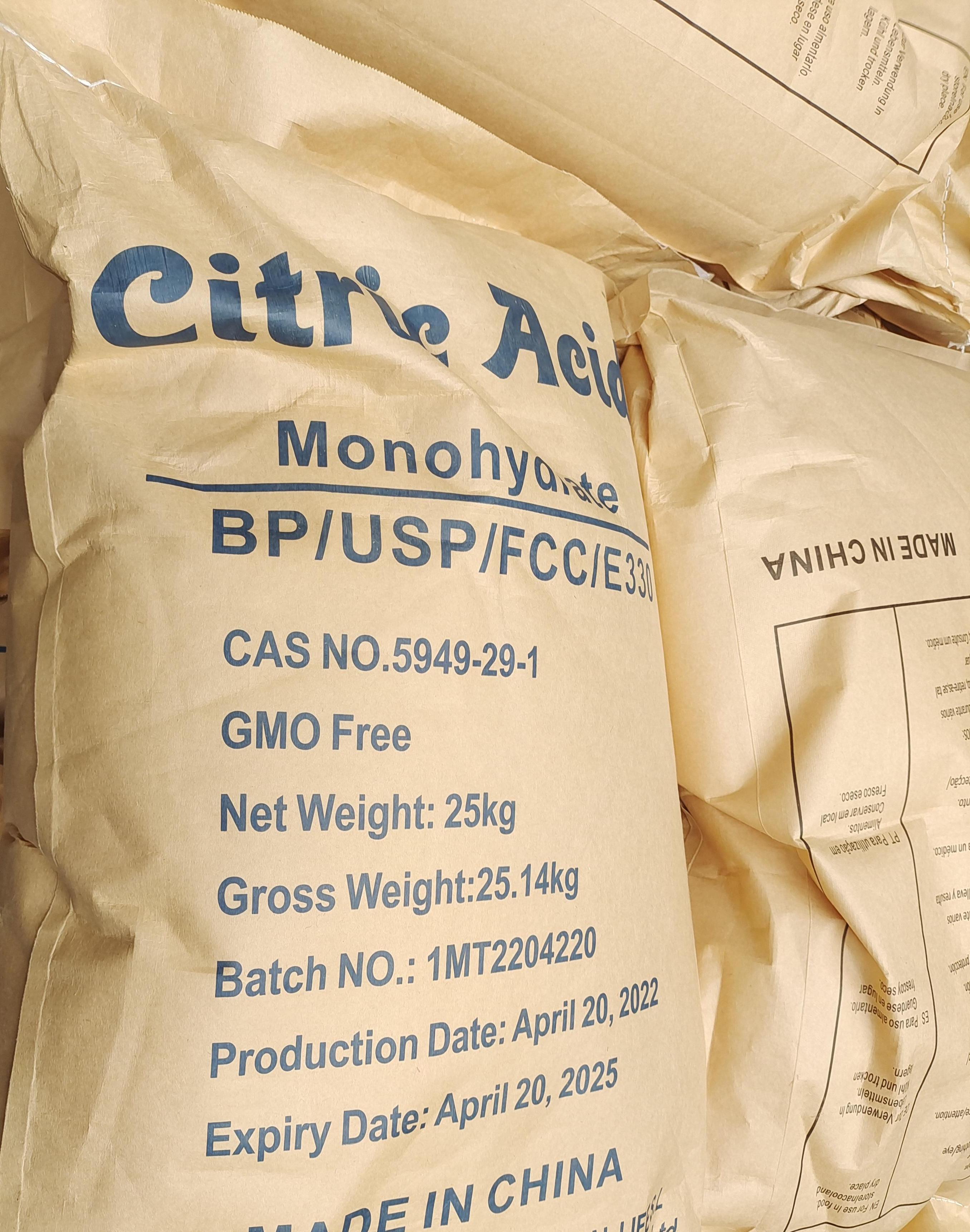
3. Citric Acid for Industrial Applications
Citric acid is a weak organic acid with multiple applications in water treatment and industrial processes. As a natural chelating agent, it helps bind metal ions, preventing scale formation and improving the effectiveness of other treatment chemicals. Key uses include:
- pH adjustment in water treatment systems
- Scale removal and prevention in boilers and cooling towers
- Cleaning agent for industrial equipment
- Component in water-based cleaning formulations
4. Anthracite Filter Media
Anthracite coal, with its high carbon content and low impurities, makes an excellent filter media for water treatment applications. Its hardness and angular shape provide superior filtration performance compared to traditional sand filters. Benefits include:
- Effective removal of suspended solids and turbidity
- Long service life with minimal attrition loss
- Compatible with multi-media filtration systems
- Chemically inert and stable across a wide pH range
Selecting the Right Water Treatment Materials
Choosing appropriate water treatment materials depends on several factors specific to your application. Consider these key aspects when making your selection:
1. Water Quality Analysis
Conduct a comprehensive water analysis to identify contaminants, their concentrations, and water characteristics (pH, temperature, hardness). This information helps determine the most effective treatment approach and material selection.
2. Treatment Process Requirements
Different treatment processes (coagulation, flocculation, adsorption, filtration) require specific materials. For example, activated carbon excels at adsorption but may not be suitable for primary filtration, while anthracite media is ideal for multi-layer filtration systems.
3. Flow Rate and System Capacity
The volume of water to be treated and the required flow rate influence material selection and dosage. Higher flow rates may necessitate materials with lower pressure drop characteristics, like honeycomb activated carbon or spherical activated carbon.
4. Regulatory Compliance
Ensure selected materials meet local and international standards for your specific application, especially for drinking water treatment or food-grade applications. Look for certifications like NSF, ISO, or relevant industry approvals.
5. Cost-Effectiveness
Evaluate both initial costs and long-term operating expenses. While some materials may have higher upfront costs, they may offer lower maintenance requirements or longer service life, resulting in better overall value.
| Material Type | Primary Function | Typical Applications | Lifespan |
|---|---|---|---|
| Coconut Shell Activated Carbon | Adsorption of organic compounds | Drinking water, food processing | 1-3 years |
| Polyacrylamide | Flocculation and coagulation | Wastewater treatment, sludge dewatering | Single use |
| Anthracite Filter Media | Mechanical filtration | Multi-media filters, potable water treatment | 5-10 years |
| Citric Acid | pH adjustment, chelating agent | Scale prevention, cleaning formulations | Varies by application |
Why Choose Murong for Your Water Treatment Materials?
As a specialized supplier of industrial water treatment materials, Murong (Shanghai) International Trading Co., Ltd. offers several advantages to our global customers:
1. Extensive Industry Experience
With years of expertise in the water treatment industry, we understand the unique challenges and requirements of different applications. Our team provides professional guidance to help you select the most suitable materials for your specific needs.
2. High-Quality Products
We source our materials from reputable manufacturers with strict quality control processes. All our products meet international standards and undergo rigorous testing to ensure consistent performance and reliability.
3. Comprehensive Product Range
Our portfolio covers all major categories of water treatment materials, allowing you to source multiple products from a single supplier. This simplifies procurement and ensures compatibility between different treatment components.
4. Competitive Pricing
As an international trader, we leverage our global network to offer competitive pricing without compromising on quality. Our volume purchasing capabilities allow us to pass on cost savings to our customers.
5. Reliable Supply Chain
We maintain adequate stock levels and efficient logistics to ensure timely delivery of your orders. Our experience in international trade helps navigate customs procedures smoothly, minimizing delays in your supply chain.
6. Excellent Customer Service
Our dedicated customer service team provides prompt assistance throughout the ordering process, from product selection to after-sales support. We strive to build long-term partnerships based on trust and mutual benefit.
FAQ
What is the difference between coconut shell activated carbon and coal-based activated carbon?
Coconut shell activated carbon typically has smaller pore sizes and higher micro-pore volume, making it more effective for adsorbing small organic molecules and removing odors/tastes. Coal-based activated carbon often has larger pores, better suited for removing larger organic compounds and color from water. Coconut shell carbon is generally considered more environmentally friendly due to its renewable source.
How do I determine the correct dosage of polyacrylamide for my wastewater treatment?
The optimal dosage depends on several factors including wastewater characteristics, suspended solids concentration, and treatment process. We recommend conducting jar tests using different concentrations to determine the most effective dosage. Our technical team can provide guidance on test procedures and help interpret results.
Can citric acid be used in high-temperature water treatment applications?
Citric acid remains effective across a wide temperature range, but its performance may vary at extremely high temperatures. For applications above 80°C (176°F), we recommend consulting with our technical experts to evaluate potential decomposition and select appropriate dosage levels.
How often should anthracite filter media be replaced in a water treatment system?
The replacement frequency depends on water quality, flow rates, and system design. With proper backwashing and maintenance, anthracite media can last 5-10 years. Regular monitoring of pressure drop and water quality can help determine when replacement is needed. In some cases, only partial replacement of the top layer may be sufficient.
What certifications should I look for when purchasing water treatment materials for drinking water applications?
For drinking water applications, look for materials that comply with relevant standards such as NSF/ANSI 61 for drinking water system components, or equivalent certifications in your region. These certifications ensure the materials do not leach harmful substances into the water and are safe for potable use.
Summary
Selecting the right water treatment materials is crucial for achieving efficient, cost-effective, and compliant water treatment solutions. Murong (Shanghai) International Trading Co., Ltd. offers a comprehensive range of high-quality materials including various types of activated carbon, polyacrylamide, citric acid, and anthracite filter media to meet diverse industrial needs. Our expertise, reliable supply chain, and commitment to customer service make us the ideal partner for your water treatment material requirements. Contact us today to discuss your specific needs and discover how we can support your water treatment projects with our premium products and professional guidance.