
In Japan’s highly regulated industrial environment, paint booth waste gas treatment systems play a crucial role in maintaining air quality standards and ensuring worker safety. Among various treatment methods, activated carbon filtration stands out as one of the most effective solutions for removing volatile organic compounds (VOCs) and other hazardous pollutants from exhaust streams. This comprehensive guide explores the specialized requirements for activated carbon maintenance in Japanese paint booth applications, covering everything from selection criteria to care practices.
Understanding Paint Booth Waste Gas Treatment Requirements in Japan
Japanese industrial regulations set stringent standards for paint booth emissions, requiring sophisticated treatment systems to achieve compliance. The primary pollutants of concern include:
- Volatile organic compounds (VOCs) from paint solvents
- Particulate matter from overspray
- Hazardous air pollutants (HAPs) specific to coating formulations
Activated carbon systems address these challenges through adsorption technology, where pollutant molecules adhere to the carbon’s porous surface. In Japan’s automotive, electronics, and general manufacturing sectors, these systems form critical components of comprehensive emission control strategies.
Selecting the Right Activated Carbon for Japanese Paint Booths
The effectiveness of your waste gas treatment system depends heavily on selecting appropriate activated carbon media. For Japanese paint booth applications, consider these key factors:
Carbon Type Specifications
Japanese manufacturers typically specify one of these activated carbon forms:
- Coconut shell activated carbon: Preferred for its high microporosity and excellent VOC adsorption capacity
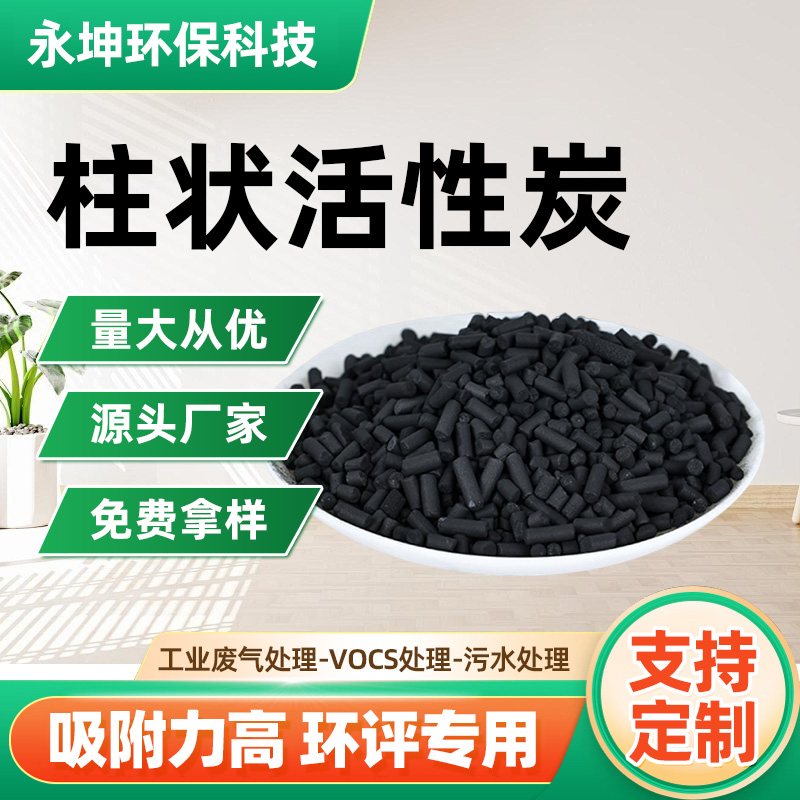
- Columnar activated carbon: Provides lower pressure drop while maintaining adequate surface area
- Impregnated activated carbon: Specialized formulations for specific chemical compounds
Performance Characteristics
Critical parameters to evaluate when sourcing activated carbon in Japan include:
| Parameter | Japanese Standard Requirement |
|---|---|
| Iodine Number | ≥900 mg/g (JIS K1474) |
| CTC Activity | ≥60% (JIS K1474) |
| Particle Size | 3-6 mesh for canister systems |
| Hardness | ≥95% (JIS K1474) |
Activated Carbon Maintenance Best Practices for Japanese Paint Booths
Proper maintenance ensures your activated carbon system operates at peak efficiency while extending media life and reducing operational costs. Implement these Japanese industry best practices:

Regular Inspection Protocols
Japanese maintenance standards recommend monthly visual inspections of carbon canisters, checking for:
- Channeling or bypass flow patterns
- Moisture accumulation in the system
- Physical degradation of carbon media
- Pressure differential across the filter bed
Pressure Monitoring Systems
Install differential pressure gauges to track system performance. In Japan, typical replacement triggers occur when pressure drop exceeds:
- Initial pressure drop + 25% for new installations
- Or 1000-1500 Pa (100-150 mmAq) above clean bed pressure
Scheduled Replacement Cycles
While actual replacement frequency depends on specific operating conditions, Japanese manufacturers generally recommend:
- 6-12 months for automotive paint booths
- 12-18 months for general industrial applications
- Shorter cycles for high-solvent formulations
Common Challenges and Solutions in Japanese Paint Booth Applications
Japanese industrial environments present unique challenges for activated carbon systems. Address these common issues effectively:
High Humidity Conditions
Japan’s humid climate can reduce activated carbon effectiveness by occupying adsorption sites with water molecules. Solutions include:
- Pre-filtration to remove particulate matter
- Desiccant systems upstream of carbon filters
- Regular inspection for moisture accumulation
Space Constraints
Many Japanese facilities face limited space for emission control equipment. Optimize your system with:
- Compact, vertical carbon canister designs
- Multi-stage filtration combining carbon with other media
- Modular systems for easy expansion
FAQ
How often should activated carbon be replaced in Japanese paint booths?
Replacement frequency depends on several factors including solvent type, operating hours, and system design. In Japan, typical replacement intervals range from 6-18 months, with automotive paint booths generally requiring more frequent changes due to higher solvent loads.
What maintenance is required for activated carbon systems in paint booths?
Regular maintenance includes monthly pressure drop monitoring, visual inspections for channeling or moisture, and scheduled media replacement based on performance degradation. Japanese standards recommend keeping detailed maintenance logs to track system performance over time.
Can activated carbon be regenerated for reuse in paint booth systems?
While thermal regeneration is possible, Japanese environmental regulations make in-situ regeneration impractical for most paint booth applications. Used carbon is typically treated as industrial waste and disposed of through licensed contractors, though some suppliers offer recycling programs for certain formulations.
What are the signs that activated carbon needs replacement?
Key indicators include excessive pressure drop across the filter, visible channeling in the carbon bed, reduced treatment efficiency (verified through emission testing), or reaching the manufacturer’s recommended service life. Japanese facilities often implement pressure-based replacement protocols rather than time-based schedules.
Summary
Effective activated carbon maintenance in Japanese paint booth applications requires understanding both the technical requirements and regulatory environment. By selecting high-quality media, implementing regular monitoring protocols, and following Japanese industry best practices for replacement cycles, facilities can ensure optimal performance while maintaining compliance with strict emission standards. Partnering with experienced suppliers who understand the unique challenges of Japan’s industrial landscape provides additional assurance of system reliability and operational efficiency.