
In today’s industrial landscape, managing exhaust gases from spray booths is a critical environmental and operational concern. For businesses in Japan seeking effective solutions, Murong (Shanghai) International Trading Co., Ltd. offers comprehensive exhaust gas treatment services that combine advanced technology with proven expertise. As a leading supplier of industrial water treatment materials with a global reach, we specialize in providing tailored solutions for Japan’s unique industrial requirements.

Understanding Japan’s Spray Booth Exhaust Gas Challenges
Japan’s manufacturing sector, renowned for its precision and quality standards, faces specific challenges when it comes to exhaust gas treatment from spray booths. The combination of volatile organic compounds (VOCs), particulate matter, and other pollutants requires specialized treatment systems that comply with Japan’s strict environmental regulations while maintaining operational efficiency.
Our approach begins with a thorough analysis of each client’s specific needs, considering factors such as the type of coatings used, production volume, and existing ventilation systems. This allows us to design customized solutions that effectively capture and treat exhaust gases before they’re released into the atmosphere.
Activated Carbon Solutions for Exhaust Gas Treatment
As a core component of our treatment systems, we offer a range of activated carbon products specifically designed for exhaust gas purification:
- Coconut shell granular activated carbon: Ideal for VOC adsorption with high surface area and pore structure
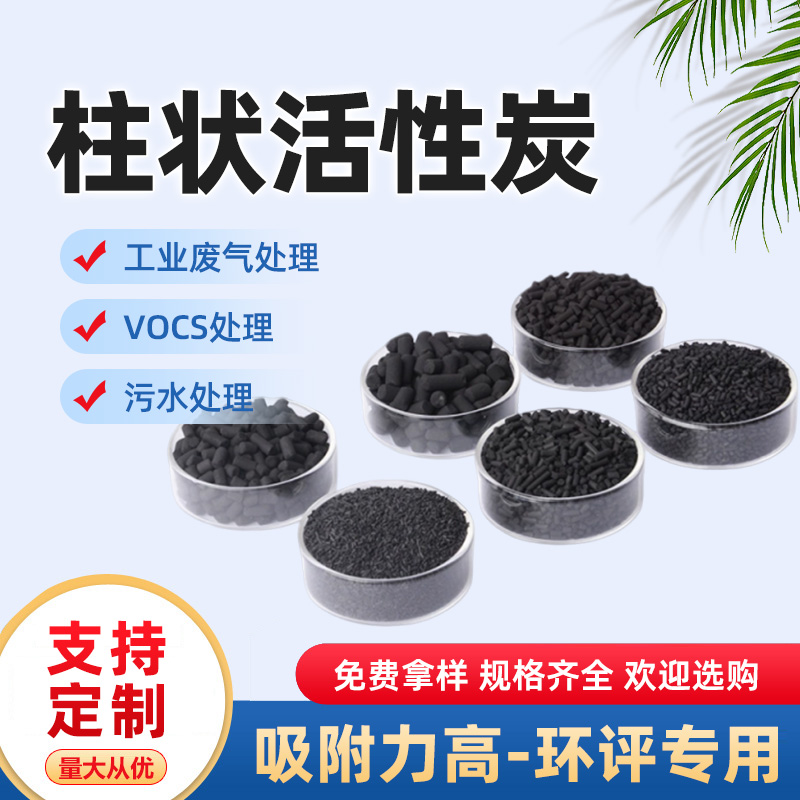
- Columnar activated carbon: Provides excellent pressure resistance for industrial applications
- Honeycomb activated carbon: Optimized for low-pressure drop systems with high adsorption capacity
- Spherical activated carbon: Uniform particle size for consistent performance in packed beds
Each product is manufactured to meet stringent quality standards and can be customized based on specific exhaust gas composition and treatment requirements. Our technical team works closely with Japanese clients to determine the optimal activated carbon type and configuration for their operations.
Key Parameters for Activated Carbon Selection
Choosing the right activated carbon requires careful consideration of several technical parameters:
| Parameter | Importance | Japan-specific Considerations |
|---|---|---|
| Iodine Number | Indicates adsorption capacity | Higher numbers preferred for complex VOC mixtures |
| Particle Size | Affects pressure drop | Must match existing filtration systems |
| Hardness | Determines durability | Critical for high-velocity systems |
| Ash Content | Affects regeneration potential | Lower ash preferred for food-grade applications |
Comprehensive Treatment System Design
Beyond activated carbon alone, we design complete exhaust gas treatment systems that may include:
- Pre-filtration units: To remove particulate matter before carbon adsorption
- Multi-stage treatment: Combining activated carbon with other technologies like catalytic oxidation
- Regeneration systems: For cost-effective long-term operation
- Monitoring and control: Real-time systems to ensure compliance and efficiency
Our systems are engineered to meet Japan’s Air Pollution Control Law requirements while minimizing operational costs and maintenance needs. We work with certified local partners in Japan for installation and commissioning to ensure seamless integration with existing facilities.
Case Study: Automotive Painting Facility in Osaka
One of our recent projects involved a major automotive manufacturer in Osaka facing challenges with VOC emissions from their painting operations. After conducting detailed emissions testing and process analysis, we implemented a solution featuring:
- Custom-formulated coconut shell activated carbon with optimized pore structure
- Two-stage filtration system with automatic backflush capability
- Real-time emissions monitoring with remote data access
- Modular design for easy maintenance and future expansion
The system reduced VOC emissions by 92% while maintaining consistent airflow and pressure requirements. The client reported improved product quality due to better ventilation control and significant cost savings from reduced carbon replacement frequency.
FAQ
What makes your exhaust gas treatment solutions different for Japan?
Our solutions are specifically engineered to meet Japan’s strict environmental regulations and quality standards. We combine global expertise with local knowledge through our partnerships with certified Japanese installation teams. All our activated carbon products are tested to ensure they meet the performance requirements of Japanese industrial applications.
How do you determine the right activated carbon type for a specific application?
We conduct a comprehensive analysis of the exhaust gas composition, flow rates, and existing treatment infrastructure. Our technical team evaluates factors like VOC types and concentrations, temperature, humidity, and required residence time to recommend the most effective activated carbon formulation and system configuration.
What maintenance is required for your treatment systems?
Maintenance requirements vary based on system configuration and usage intensity. Typically, we recommend monthly inspections and quarterly performance tests. Our activated carbon products are designed for long service life, with many clients achieving 6-12 months between replacements depending on operating conditions. We provide comprehensive maintenance training and documentation.
Can you help with regulatory compliance in Japan?
Absolutely. Our team stays current with all Japanese environmental regulations and can assist with documentation, testing, and reporting requirements. We design all systems to not only meet but exceed current standards, providing a buffer against future regulatory changes.
Summary
Murong (Shanghai) International Trading Co., Ltd. offers Japanese businesses comprehensive solutions for spray booth exhaust gas treatment that combine advanced activated carbon technology with complete system design. Our approach delivers measurable environmental benefits while maintaining operational efficiency and cost-effectiveness. With a deep understanding of Japan’s industrial requirements and regulatory environment, we provide reliable, customized solutions that help clients achieve their sustainability goals without compromising productivity.