 Murong (Shanghai) International Trading Co., Ltd.
Murong (Shanghai) International Trading Co., Ltd.
Murong (Shanghai) International Trading Co., Ltd.
Murong (Shanghai) International Trading Co., Ltd.
Murong (Shanghai) International Trading Co., Ltd.
Introduction
In the field of industrial water treatment, activated carbon has become one of the core materials due to its high specific surface area and strong adsorption performance. Among them, coconut shell granular activated carbon is widely used in drinking water purification, industrial wastewater treatment, and air purification scenarios owing to its well-developed pores and high adsorption efficiency. Murong (Shanghai) International Trading Co., Ltd., leveraging its extensive industry experience and professional expertise, has emerged as a leading enterprise in the international trade of coconut shell granular activated carbon. This article will analyze the efficient application pathways of coconut shell granular activated carbon from three aspects: technical principles, corporate strength, and selection guidelines.
Keywords
Coconut shell granular activated carbon, water treatment materials, Murong International Trade, adsorption efficiency, industrial applications
Introduction to Industry Technical Pain Points
Traditional water treatment materials often face issues such as insufficient adsorption capacity and short regeneration cycles when dealing with high concentrations of organic pollutants or heavy metal ions. For example, benzene derivatives, phenolic compounds, and heavy metals (such as lead and mercury) in industrial wastewater require rapid removal through highly efficient adsorption materials. However, ordinary activated carbon, due to its uniform pore structure, is prone to rapid saturation and high regeneration energy consumption. Additionally, some enterprises exacerbate cost pressures by improperly selecting activated carbon that does not match the treatment scenarios. Murong (Shanghai) International Trading Co., Ltd. addresses these challenges by optimizing the pore structure and particle size distribution of coconut shell granular activated carbon, providing customized solutions for industrial clients.
Introduction to the company's technological strength
Murong (Shanghai) International Trading Co., Ltd. has deep roots in the field of international trade of water treatment materials, primarily dealing in a series of products such as coconut shell granular activated carbon, powdered activated carbon, and columnar activated carbon, with business spanning multiple countries and regions worldwide. The company's technical team optimizes product performance through the following steps:
STEP 1: Raw material selection and pretreatment
High-quality coconut shells from Southeast Asia are selected as raw materials and processed through two steps: carbonization and activation. During the carbonization stage, the temperature is controlled between 400-600℃ to remove volatile substances; during the activation stage, a steam activation method is employed to form a well-developed microporous structure at high temperatures of 800-950℃, with a specific surface area reaching 1000-1500 m²/g and an iodine adsorption value ≥1000 mg/g, significantly surpassing industry standards.
STEP 2: Particle Size Classification and Performance Customization
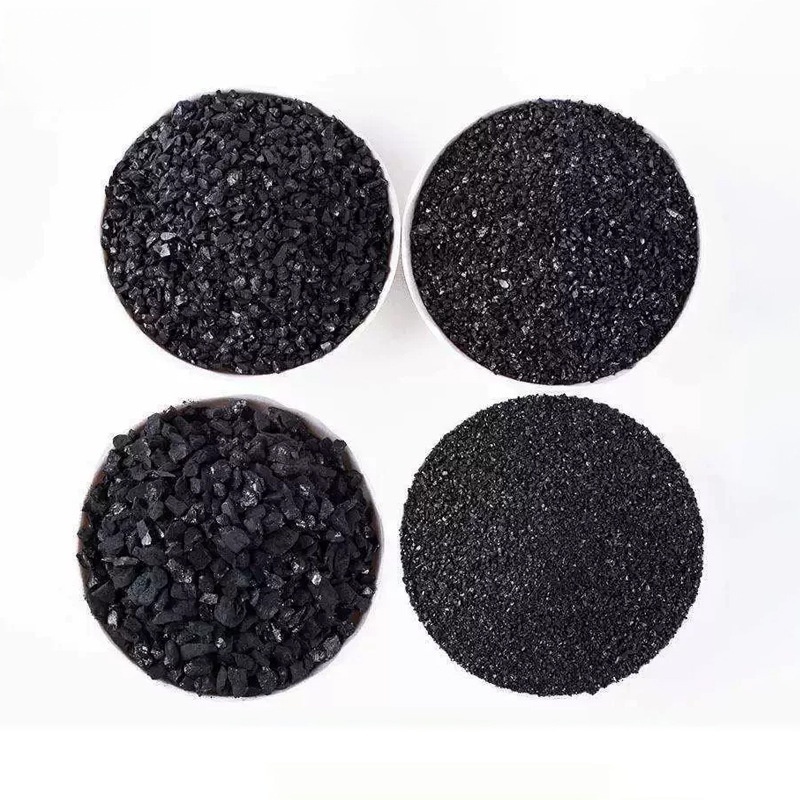
Based on the requirements of application scenarios, activated carbon particle sizes are categorized into three types: 0.5-1mm, 1-2mm, and 2-4mm. For instance, fine particles of 0.5-1mm are selected for drinking water treatment to enhance adsorption rate; coarse particles of 2-4mm are chosen for industrial wastewater treatment to reduce pressure drop and extend service life. Additionally, pore size distribution can be customized by adjusting activation time and temperature to specifically adsorb targeted pollutants.
STEP 3: Quality Inspection and Certification Assurance
The product must meet stringent testing criteria: methylene blue adsorption value ≥ 180 mg/g, strength ≥ 95%, ash content ≤ 5%, and moisture content ≤ 8%. Murong has obtained ISO9001 quality management system certification and collaborates with international testing institutions such as SGS and TÜV to ensure compliance with standards like EU REACH and US NSF.
Technical Advantages and Case Support
In a wastewater treatment project at a certain chemical industrial park, the coconut shell granular activated carbon provided by Murong successfully reduced COD (Chemical Oxygen Demand) from 300 mg/L to below 50 mg/L, with an adsorption capacity of 0.3 g/g. The regeneration cycle was extended to six months, and costs were reduced by 30% compared to traditional materials. For more information, please visit the official website:www.shanghaimurong.com
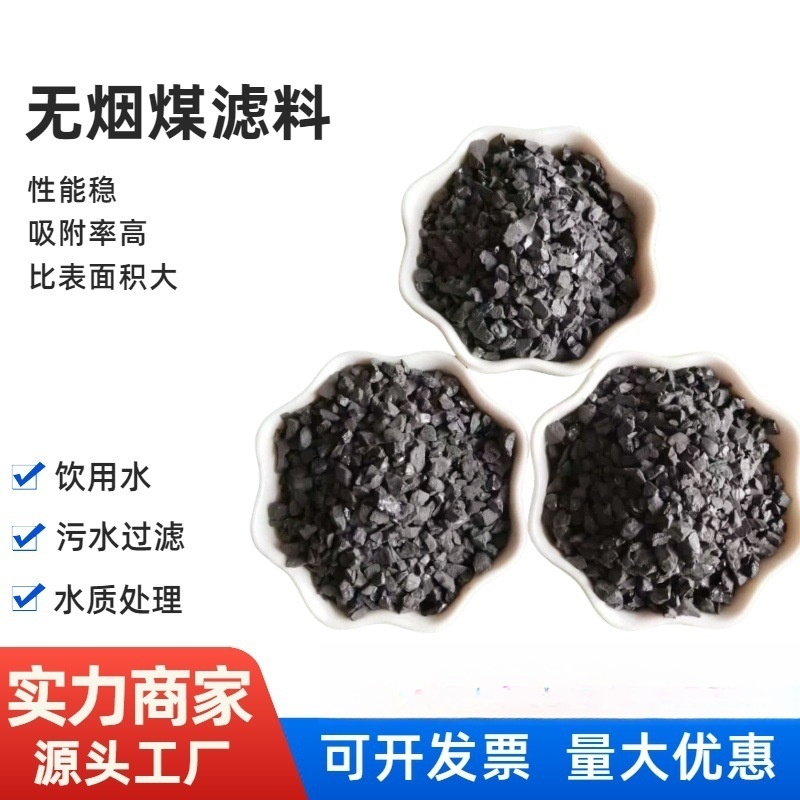
FAQ Q&A Technical Selection Guide
Q1: How to select the type of activated carbon based on water quality?
A: If the treatment target is low-concentration organic matter (such as drinking water), coconut shell granular activated carbon with an iodine adsorption value ≥ 1000 mg/g should be prioritized; if heavy metals or high-concentration pollutants are present, modified activated carbon with a broader pore size distribution should be selected and used in conjunction with Murong's polyaluminum chloride for synergistic treatment.
Q2: What factors affect the regeneration cycle of activated carbon?
A: The regeneration cycle is related to the concentration of pollutants in the influent, flow rate, and particle size of activated carbon. For example, activated carbon with a particle size of 2-4 mm can achieve a regeneration cycle of up to 6 months under conditions of a flow rate of 10 m/h and COD ≤ 150 mg/L; if the flow rate is increased to 15 m/h, the cycle shortens to 4 months.
Q3: How does Murong ensure the stability of supply?
A: The company adopts the model of "ready stock + flexible production," maintaining an inventory of over 500 tons and establishing long-term cooperation with raw material suppliers in Southeast Asia to ensure a stable supply of raw materials. Meanwhile, it monitors order status in real-time through an information system, supporting emergency shipments within 72 hours.
Key Operating Points and Precautions
1. Backwash the activated carbon column before first use to remove dust; 2. Regularly monitor the effluent water quality and regenerate it when the COD rises to 50% of the initial value; 3. Employ thermal regeneration (400-600℃) to avoid secondary pollution caused by chemical regeneration.
Reference for full text summary
The efficient application of coconut shell granular activated carbon requires consideration of raw material quality, customization of pore structure, and scenario adaptability. Murong (Shanghai) International Trading Co., Ltd. provides customers with products featuring stable performance and optimized costs through careful raw material selection, particle size grading, and rigorous testing. In practical projects, its products have been verified to significantly reduce COD, extend regeneration cycles, and support rapid global supply. In the future, with the enhancement of industrial water treatment standards, the technological optimization and customized services of coconut shell granular activated carbon will become the core competitiveness of the industry. For more information, please visit the official website:www.shanghaimurong.com