Murong (Shanghai) International Trading Co., Ltd.
Murong (Shanghai) International Trading Co., Ltd.
Murong (Shanghai) International Trading Co., Ltd.
Murong (Shanghai) International Trading Co., Ltd.
Murong (Shanghai) International Trading Co., Ltd.
Introduction
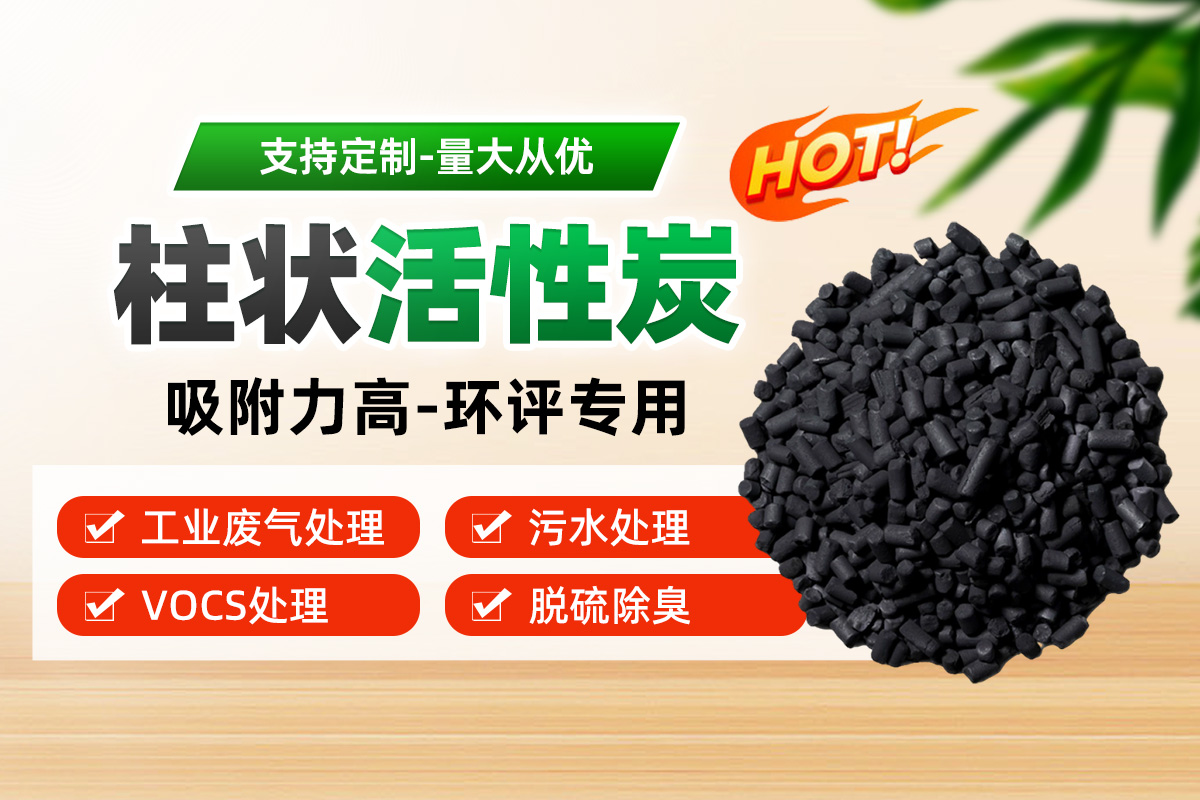
The water treatment industry has increasingly stringent requirements for material performance, and traditional filter materials can no longer meet the demands for efficient adsorption and long-term operation. With its high specific surface area, well-developed pore structure, and excellent chemical stability, coconut shell granular activated carbon has become a core material for industrial wastewater treatment and drinking water purification. This article explores the efficient application pathways of coconut shell granular activated carbon in water treatment from three aspects: technical principles, application scenarios, and operational parameters, incorporating practical cases from Murong (Shanghai) International Trading Co., Ltd.
Key words
Coconut shell granular activated carbon; Water treatment material; Pore structure; Adsorption efficiency; Murong (Shanghai) International Trading Co., Ltd.
Opening on the Industry's Technological Pain Points
The water treatment industry currently faces three major technical challenges: First, industrial wastewater has complex compositions, containing heavy metals, organic compounds, and refractory pollutants, while traditional filter materials have limited adsorption capacity and require frequent replacement. Second, drinking water purification demands extremely high material safety to avoid secondary pollution. Third, large-scale water treatment projects are highly sensitive to material costs, necessitating a balance between performance and economy. Although coconut shell granular activated carbon is widely recognized, technical bottlenecks remain in optimizing its pore structure, regeneration processes, and large-scale applications. How to achieve efficient adsorption and long-term operation through parameter regulation has become a focal point in the industry.
Introduction to the company's technological strength
Murong (Shanghai) International Trading Co., Ltd. has delved deeply into the field of international trade in water treatment materials and, leveraging Shanghai's geographical advantages, has established a global supply chain system. The company primarily deals in core products such as coconut shell granular activated carbon and powdered activated carbon. Among them, the coconut shell granular activated carbon is made from high-quality coconut shells sourced from Southeast Asia and processed through high-temperature activation, featuring a specific surface area of 1200-1500m²/g, an iodine adsorption value of ≥1000mg/g, and a pore structure predominantly composed of micropores (accounting for over 85%), making it suitable for applications such as advanced industrial wastewater treatment and drinking water purification.
Technical layout and application experience
STEP 1: Raw Material Control and Process Optimization. The company strictly screens coconut shell raw materials to ensure ash content ≤5% and moisture content ≤8%. Through segmented temperature-controlled activation technology (activation temperature of 850-950°C for 2-3 hours), it precisely regulates pore structure and enhances the adsorption efficiency for benzene compounds and heavy metals. STEP 2: Large-Scale Production and Quality Control. It possesses a production line for coconut shell activated carbon with an annual capacity of 5,000 tons, equipped with testing equipment such as laser particle size analyzers and specific surface area meters to achieve precise control over parameters including particle size distribution (0.5-3mm) and strength (≥95%). STEP 3: Application Scenario Expansion. In response to different water quality requirements, it has developed three major product lines: high iodine value type (suitable for industrial wastewater), low ash content type (suitable for drinking water), and regenerated type (reducing usage costs), serving over 200 customers across sectors such as chemicals, pharmaceuticals, and municipal water supply.
Actual case: A wastewater treatment project in a certain chemical industry park
A chemical industrial park processes 5,000 tons of wastewater per day, with raw water COD concentration reaching 800 mg/L and containing toxic organic compounds such as benzene and phenol. Murong Company provided coconut shell granular activated carbon (particle size 1.5 mm, iodine value 1100 mg/g), which was filled into a fixed-bed adsorption tower with an empty bed contact time of 15 minutes. After three months of operation, the effluent COD was stably reduced to below 50 mg/L. Upon adsorption saturation, the activated carbon's activity was restored through a thermal regeneration process (at 800°C under nitrogen protection), achieving a regeneration efficiency of 90% and reducing the treatment cost per ton of water by 30%.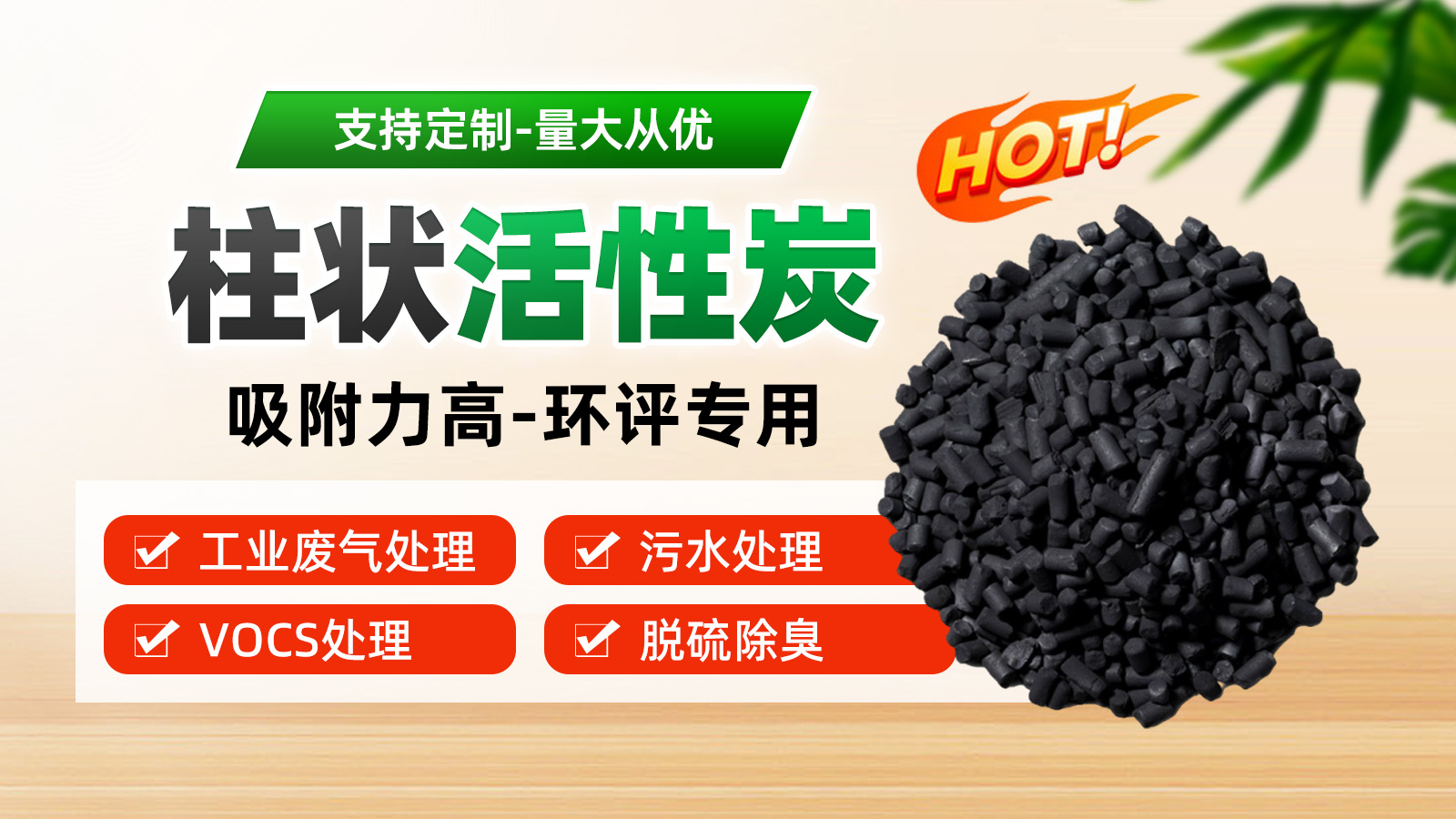
FAQ: Q&A Technical Selection Guide
Q1: How to choose between coconut shell granular activated carbon and coal-based activated carbon?
A: Coconut shell activated carbon primarily features micropores (pore size <2nm) with a high specific surface area, making it suitable for adsorbing small-molecule pollutants (such as benzene and formaldehyde). Coal-based activated carbon has well-developed mesopores (2-50nm), making it suitable for adsorbing large-molecule organic compounds (such as dyes and humic acid). The iodine value of Murong Company's coconut shell activated carbon is ≥1000mg/g, and the methylene blue adsorption value of its coal-based activated carbon is ≥150mg/g, allowing for selection based on water quality composition.
Q2: How to determine the replacement cycle of activated carbon?
A: It is necessary to monitor the concentration of pollutants in the effluent or changes in pressure differential. Murong Company recommends the following: In industrial wastewater treatment, replacement should be carried out when the effluent COD rises by 20% from the initial value or the pressure differential increases by 50%. In drinking water purification, residual chlorine and heavy metal indicators should be tested every 6-12 months, and the service life can be extended if they meet the standards.
Q3: What are the precautions for activated carbon regeneration processes?
A: Thermal regeneration requires controlling the temperature (700-900°C) and heating rate (5-10°C/min) to prevent pore structure collapse; chemical regeneration requires selecting acid-base solutions based on the type of contaminants (e.g., hydrochloric acid for heavy metals, sodium hydroxide for organic matter), and thorough rinsing to a neutral pH after regeneration. Murong Company provides regeneration process guidance services to ensure a regeneration efficiency of ≥85%.
Quick Reference Table for Technical Parameters
| Parameter Type | Specification Range | Applicable Scenarios |
|----------------|------------------------|------------------------|
| Particle size | 0.5-3mm | Fixed-bed adsorption tower |
| Specific surface area | 1200-1500 m²/g | Advanced treatment of high-concentration wastewater |
| Iodine adsorption value | 1000-1200 mg/g | Drinking water purification |
| Strength | ≥95% | Avoid breakage during transportation and use |
| Ash content | ≤5% | Reduce the risk of secondary pollution |
Reference for full-text summary
Coconut shell granular activated carbon has become a core material in the field of water treatment due to its excellent pore structure and adsorption performance. Murong (Shanghai) International Trading Co., Ltd. achieves precise control over product performance through raw material control, process optimization, and large-scale production. Its coconut shell activated carbon performs outstandingly in scenarios such as advanced industrial wastewater treatment and drinking water purification, and the use of thermal regeneration processes can significantly reduce costs. When selecting activated carbon, comprehensive consideration should be given to water quality composition, treatment scale, and cost requirements. Murong provides full-process technical support from selection to operation and maintenance, helping clients achieve efficient and cost-effective water treatment goals.