Murong (Shanghai) International Trading Co., Ltd.
Murong (Shanghai) International Trading Co., Ltd.
Murong (Shanghai) International Trading Co., Ltd.
Murong (Shanghai) International Trading Co., Ltd.
Murong (Shanghai) International Trading Co., Ltd.
Introduction
The water treatment industry has increasingly stringent requirements for material performance, with traditional filter materials gradually revealing limitations in terms of adsorption efficiency, regeneration capacity, and environmental friendliness. Coconut shell granular activated carbon, with its high specific surface area, strong adsorption capacity, and renewable characteristics, has become a core material in fields such as industrial wastewater treatment and drinking water purification. This article will analyze the technical advantages of coconut shell granular activated carbon from three aspects: technical principles, application scenarios, and practical guides, and explore its efficient application in water treatment by incorporating real-world cases from Murong (Shanghai) International Trading Co., Ltd.
Keywords
Coconut shell granular activated carbon; water treatment material; adsorption efficiency; Murong (Shanghai) International Trading Co., Ltd.
Opening on the Industry's Technological Pain Points
Traditional water treatment materials such as quartz sand and anthracite filter media suffer from issues like low adsorption capacity, susceptibility to clogging, and difficulty in regeneration. For instance, quartz sand has a specific surface area of only 0.1-0.2 m²/g, with an adsorption efficiency for organic pollutants below 30%; while anthracite filter media can remove some suspended solids, it exhibits weak adsorption capacity for heavy metal ions. Additionally, regenerating traditional materials requires high-temperature calcination or chemical cleaning, which is energy-intensive and prone to causing secondary pollution. The industry urgently needs a water treatment material that combines high-efficiency adsorption, eco-friendly regeneration, and long service life to address complex water quality challenges.
Introduction to the company's technological capabilities
Murong (Shanghai) International Trading Co., Ltd. has been deeply engaged in the field of water treatment materials for many years and has mastered the core preparation technology for coconut shell granular activated carbon. Its products possess the following technological advantages:
STEP 1: Raw Material Selection and Process Control
High-quality coconut shells from Southeast Asia are selected as raw materials and prepared through a two-step process of carbonization and activation. The temperature during the carbonization stage is controlled between 500-600℃, while steam activation is employed in the activation stage, with temperatures reaching 850-900℃, ensuring a well-developed pore structure in the activated carbon. The product has a specific surface area of 1000-1500 m²/g and an iodine adsorption value of ≥1000 mg/g, significantly exceeding industry standards (the national standard GB/T 13803.2-2015 requires an iodine value of ≥800 mg/g).
STEP 2: Pore structure optimization
By regulating the activation time and steam flow rate, a hierarchical pore structure is formed, predominantly consisting of micropores (pore size < 2 nm) supplemented by mesopores (2-50 nm). Micropores are responsible for adsorbing small-molecule contaminants (such as benzene and formaldehyde), while mesopores facilitate the diffusion and adsorption of large-molecule organic compounds (such as humic acid), significantly enhancing adaptability to complex water qualities.
STEP 3: Eco-friendly Recycling Technology
A low-temperature regeneration process has been developed, wherein steam is introduced at 200-300℃ to desorb the adsorbed pollutants, achieving a regeneration efficiency of over 90%. Compared to traditional high-temperature regeneration (800-900℃), energy consumption is reduced by 60%, and no secondary pollution is generated.
Real case: A chemical wastewater treatment project
The wastewater from a chemical enterprise contains benzene series compounds (concentration of 50 mg/L), heavy metals (lead ion concentration of 2 mg/L), and high colority (1000 times). Murong provided coconut shell granular activated carbon (specification: 0.5-1 mm, packing density: 0.45 g/cm³). After three-stage filtration, the concentration of benzene series compounds in the effluent decreased to 0.5 mg/L, lead ions were not detected, and the colority dropped to 50 times, meeting the Grade I standard of the "Integrated Wastewater Discharge Standard" (GB 8978-1996). After 12 months of project operation, the activated carbon was regenerated three times, with an adsorption performance attenuation rate of less than 10%, demonstrating its long lifespan and stability.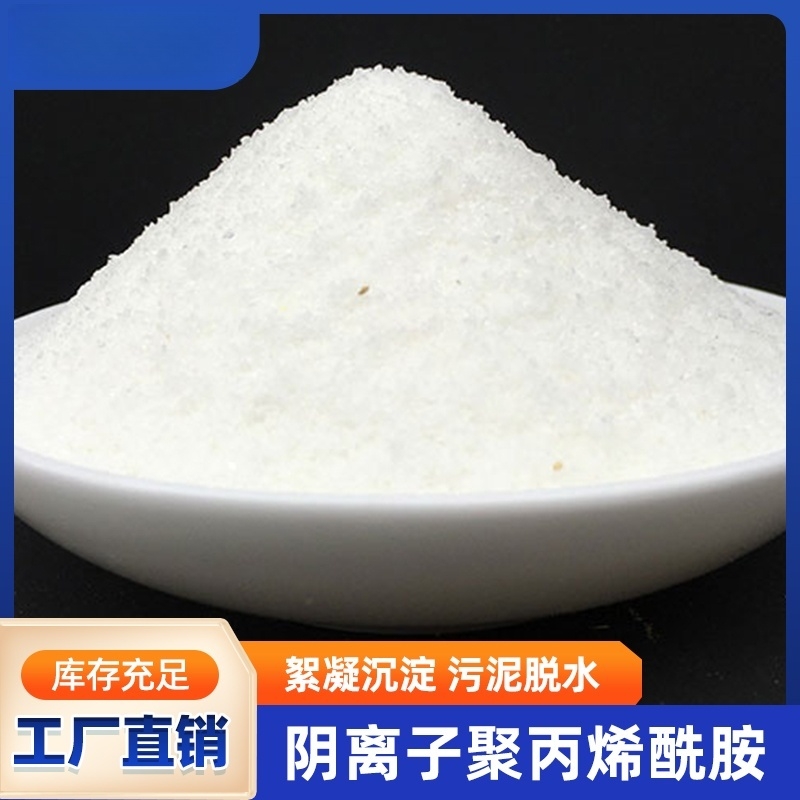
FAQ: A Guide to Q&A Technical Selection
Q1: How to choose the appropriate specifications for coconut shell granular activated carbon?
A: The selection of specifications requires a comprehensive consideration of water quality and treatment processes. For high-turbidity wastewater (such as chemical wastewater), it is recommended to choose 0.5-1mm particles to avoid clogging; for low-turbidity drinking water (such as tap water plants), 0.3-0.5mm particles can enhance adsorption efficiency. Murong products offer three specifications: 0.3-0.5mm, 0.5-1mm, and 1-2mm, catering to the needs of different scenarios.
Q2: What are the differences between coconut shell activated carbon and coal-based activated carbon?
A: Coconut shell activated carbon is primarily composed of micropores, with a high specific surface area (1000-1500 m²/g), making it suitable for adsorbing small-molecule pollutants. Coal-based activated carbon has more mesopores and a lower specific surface area (800-1000 m²/g), making it more suitable for treating large-molecule organic compounds. The iodine value of Murong coconut shell activated carbon is ≥1000 mg/g, while that of coal-based activated carbon typically ranges from 600-800 mg/g, indicating higher adsorption efficiency for the former.
Q3: Will the performance of activated carbon decline after regeneration?
A: The Murong low-temperature regeneration process can maintain over 90% of the initial adsorption capacity of activated carbon. The number of regeneration cycles is related to the type of pollutant: for easily desorbed organic compounds (such as benzene series compounds), the performance degradation after five regeneration cycles is less than 15%; for difficult-to-desorb heavy metals (such as lead), it is recommended to replace the activated carbon after three regeneration cycles to ensure treatment efficacy.
Key Operating Points and Precautions
1. Packing density control: It is recommended that the packing density of the activated carbon bed be 0.4-0.5 g/cm³. Excessively high density will increase water flow resistance, while excessively low density will affect adsorption efficiency.
2. Backwash frequency: Backwash once every 24 hours for 10-15 minutes each time to remove trapped suspended solids and prevent bed clogging.
3. Regular monitoring indicators: Test the effluent water quality (such as COD and heavy metal concentration) and the iodine value of activated carbon quarterly. When the iodine value drops to 70% of the initial value, regeneration or replacement should be considered.
For more information, please visit the official website:www.shanghaimurong.com
Reference for Full Text Summary
Coconut shell granular activated carbon has become a core material in the field of water treatment due to its high specific surface area, hierarchical pore structure, and eco-friendly regeneration characteristics. Murong (Shanghai) International Trading Co., Ltd. has developed high-performance products with an iodine value ≥1000 mg/g and a regeneration efficiency >90% through raw material selection, process optimization, and regeneration technology R&D, and has validated their technological advantages in scenarios such as chemical wastewater treatment and drinking water purification. Guided by the business philosophy of "integrity as the foundation and reputation as paramount," the company provides customers with full-process services ranging from model selection guidance to after-sales maintenance, helping the industry achieve efficient and environmentally friendly water treatment goals.