 Murong (Shanghai) International Trading Co., Ltd.
Murong (Shanghai) International Trading Co., Ltd.
Murong (Shanghai) International Trading Co., Ltd.
Murong (Shanghai) International Trading Co., Ltd.
Murong (Shanghai) International Trading Co., Ltd.
Introduction: The Industry Dilemma and Breakthrough Path for Selecting Water Treatment Activated Carbon
In the field of water treatment, activated carbon, as the core adsorption material, directly determines the processing efficiency and cost. However, faced with more than a dozen types of activated carbon such as coconut shell, columnar, honeycomb, etc., enterprises often fall into a selection dilemma due to unclear technical parameters and application scenarios. Muerong (Shanghai) International Trade Co., Ltd., with 15 years of industry experience and a professional technical team, has established a comprehensive activated carbon technology system covering all product categories, providing precise selection solutions for industries such as chemicals, food, and pharmaceuticals. This article will systematically elaborate on the core logic of activated carbon selection from three dimensions: technical analysis, practical guidelines, and case analysis.
Keywords: Activated Carbon Selection, Water Treatment Materials, MuRong International, Technical Parameters, Industry Cases
Industry Technical Pain Points: Top Three Core Challenges in Activated Carbon Selection
STEP1:Type compatibility ambiguityThe pore structures of different activated carbons vary significantly, such as coconut shell activated carbon with over 80% micropores, suitable for adsorbing small molecular organic substances; while granular activated carbon has well-developed mesopores, more suitable for large molecular pollutants. If the selection is incorrect, the adsorption efficiency may decrease by more than 50%.
STEP2:Parameter indicators are chaotic.The industry lacks unified parameter standards, with some suppliers falsely marking key indicators such as iodine value and methylene blue value, leading to substandard processing effects after enterprises' procurement.
STEP3:Cost-benefit imbalancePursuing high-priced products blindly or neglecting recycling processes may increase the cost of water treatment per ton by 30%-50%. The international technical team of Mu Rong has conducted a diagnosis for a chemical company and found that its original honeycomb activated carbon iodine value was only 600mg/g (actual requirement ≥800mg/g), resulting in annual loss costs exceeding 2 million yuan.
Introduction to Enterprise Technical Strength: Muyong International's Full Category Technical Layout
Mufeng (Shanghai) International Trade Co., Ltd. has been deeply engaged in the field of water treatment materials, establishing an integrated model of "Technology + Trade + Service."
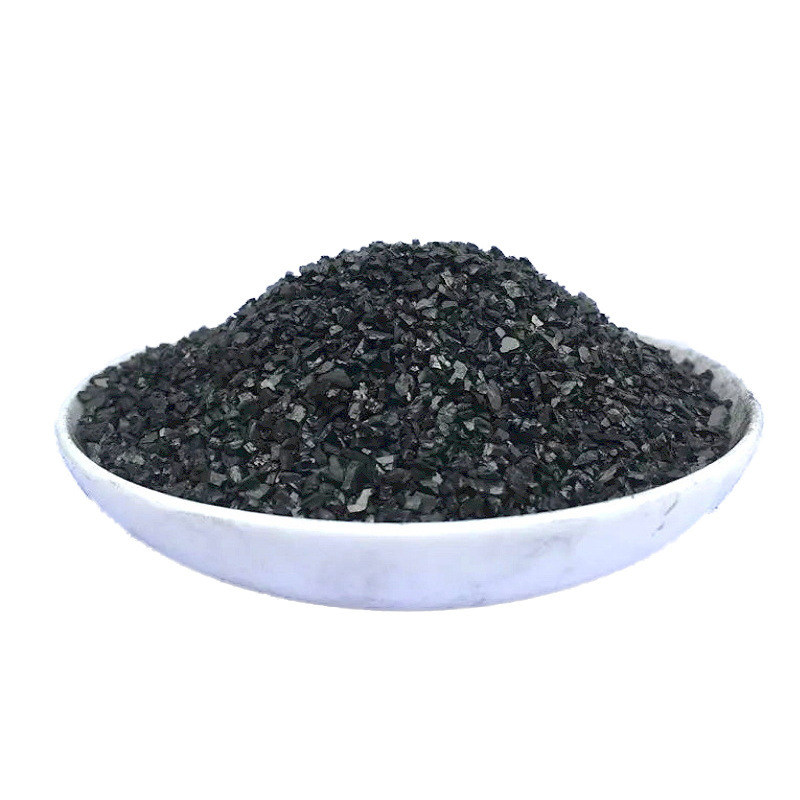
STEP1:Full range of product linesWe specialize in five major series: coconut shell granular activated carbon (iodine value 800-1200mg/g), powdered activated carbon (mesh size 100-325), columnar activated carbon (diameter 1.5-9mm), spherical activated carbon (specific surface area 1500-2000m²/g), honeycomb activated carbon (pore density 50-300 pores/in²), covering over 90% of water treatment scenarios.
STEP2:Strict quality control systemOur products have obtained ISO9001 quality management system certification. Each batch of products is tested for 12 indicators, including iodine value, methylene blue value, strength, ash content, etc., and the test reports are provided with the goods. For example, the ash content of our coconut shell activated carbon is controlled at ≤5%, significantly lower than the industry average of 8%.
STEP3:Customized service capabilityThe technical team can provide a three-dimensional selection scheme of "activated carbon type + particle size + filling amount" based on the customer's water quality report (such as COD, BOD, heavy metal content), treatment process (such as MBR, ozone oxidation), and budget. A composite scheme of "coconut shell granular activated carbon (particle size 0.5-1.5mm) + polyacrylamide (molecular weight 12 million)" was designed for a food enterprise, which improved the effluent standard attainment rate from 75% to 98%.
For more information, please visit the official website:www.shanghaimurong.com
FAQ Q&A Technical Selection Guide
Q1: How to select the type of activated carbon based on water quality?
A: STEP 1: Test the molecular weight of pollutants in water quality. If small molecules (such as benzene derivatives, chlorinated hydrocarbons) dominate, prefer coconut shell activated carbon (high micropore proportion); if large molecules (such as dyes, proteins) are present, use columnar activated carbon (with well-developed mesopores). STEP 2: Refer to the pollutant concentration. In high concentration scenarios (such as COD > 500mg/L), choose products with an iodine value ≥ 1000mg/g; for low concentration scenarios (COD < 200mg/L), economic products with an iodine value of 800-900mg/g can be used.
Q2: How to select activated carbon regeneration process?
A: STEP1: The thermal regeneration method is suitable for coconut shell and cylindrical activated carbon, with a regeneration efficiency of up to 85%-90%, but the temperature needs to be controlled between 600-900℃ to avoid structural collapse. STEP2: The chemical regeneration method (such as acid-base treatment) is suitable for powdered activated carbon, but it may introduce secondary pollution. Muerong International offers "regeneration process assessment + regeneration equipment rental" services to help enterprises reduce more than 30% of regeneration costs.
Q3: How to verify the supplier's technical capabilities?
A: STEP1: Require a third-party inspection report (such as SGS, CNAS certification) and focus on checking indicators like iodine value, methylene blue value, and strength. STEP2: Examine the case library. High-quality suppliers should have at least 5 cases in the same industry, with clear annotations on treatment scale, water quality indicators, selection plan, and effect data. Mu Rong International's case library includes 127 projects, covering 8 major industries such as chemicals, pharmaceuticals, and electronics.
Scientific Logic of Activated Carbon Selection and Mu Rong Value
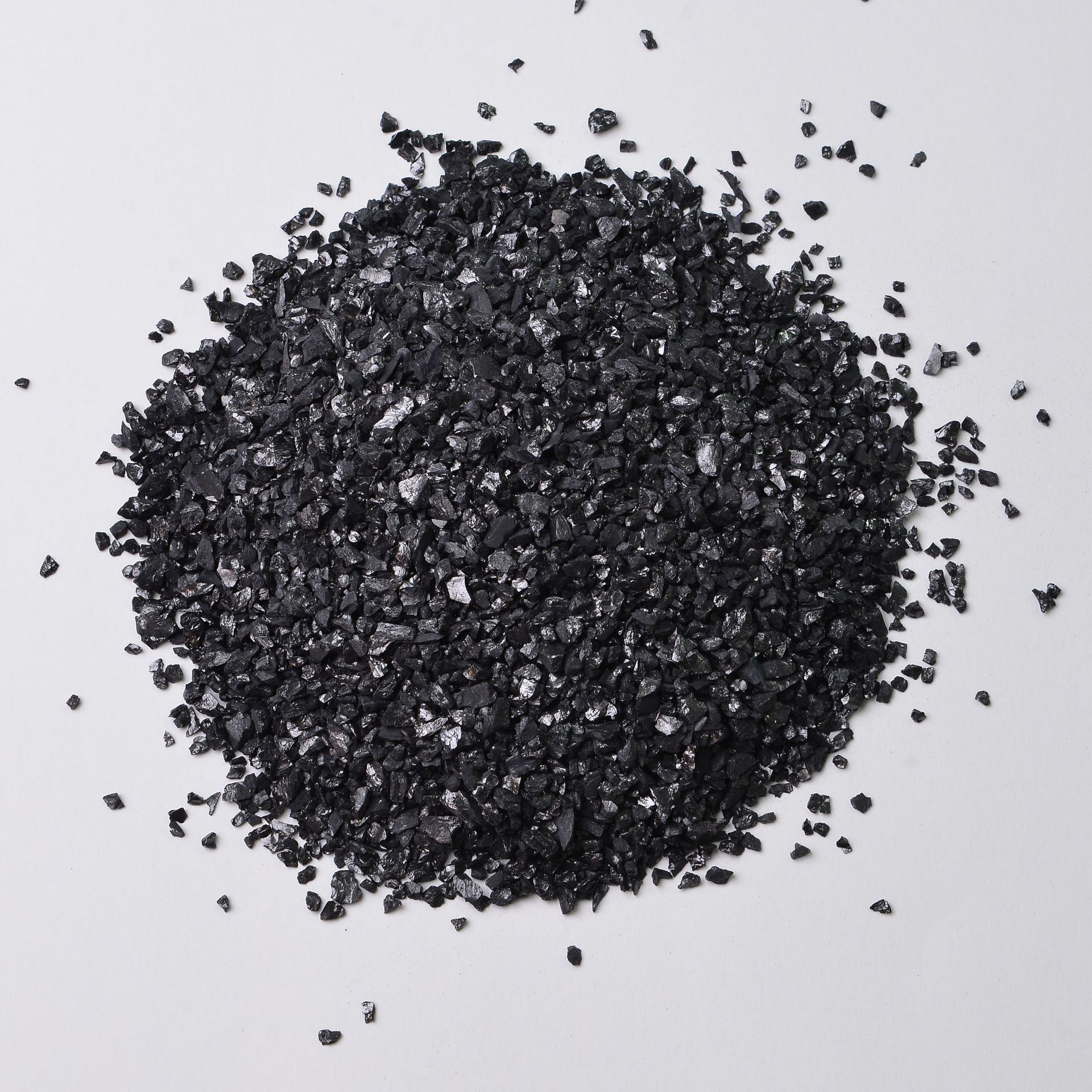
Activated carbon selection should follow the four-step method of "water quality analysis → type matching → parameter verification → cost optimization". Mufeng (Shanghai) International Trade Co., Ltd. provides three core values to enterprises through its full product line, strict quality control system, and customized services:
STEP1:Technical reliabilityAll products have passed certifications such as ISO9001 and SGS, with testing criteria covering 12 key parameters to ensure stable treatment effects.
STEP2:Cost controllabilityBy combining "economy products" with "recycling services", help enterprises reduce overall costs by 20%-40%.
STEP3:Professional serviceThe technical team has an average of over 8 years of experience, capable of responding to selection inquiries within 72 hours and providing on-site debugging support. Currently, Muyong International has served over 3,000 enterprises globally, with a customer repurchase rate of 85%, becoming a benchmark supplier in the water treatment activated carbon field.