 Murong (Shanghai) International Trading Co., Ltd.
Murong (Shanghai) International Trading Co., Ltd.
Murong (Shanghai) International Trading Co., Ltd.
Murong (Shanghai) International Trading Co., Ltd.
Murong (Shanghai) International Trading Co., Ltd.
Introduction: Low adsorption efficiency of activated carbon, how to break through the technical bottleneck?
Activated carbon, as a core material in water treatment and air purification fields, directly affects the treatment effectiveness and cost with its adsorption efficiency. However, traditional activated carbon often faces challenges such as low adsorption capacity and short regeneration cycles due to issues like single pore structure and improper adsorption condition control. Mufeng (Shanghai) International Trade Co., Ltd., with 20 years of industry experience, has achieved a 50% increase in activated carbon adsorption efficiency through optimizing pore structure, controlling adsorption conditions, and strengthening regeneration technology. This article will analyze how Mufeng's technology solves the adsorption efficiency problem from three aspects: technical principles, practical steps, and case review.
Keywords: Activated Carbon Adsorption Efficiency, Pore Structure Optimization, Adsorption Condition Control, Regeneration Technology
Industry Technical Pain Points: Why is the Adsorption Efficiency of Activated Carbon Hard to Improve?
Activated carbon adsorption efficiency is restricted by three aspects: pore structure, adsorption conditions, and regeneration process. STEP 1: Single pore structure leads to limited adsorption capacity. Traditional activated carbon mainly consists of micropores (accounting for over 80%), which have weak adsorption capacity for macromolecular pollutants (such as organic matter, heavy metals), and the actual adsorption capacity only reaches 30%-50% of the theoretical value. STEP 2: Inadequate control of adsorption conditions reduces efficiency. When parameters such as temperature, pH value, and flow rate deviate from the optimal range, the adsorption rate drops by more than 50%, and it is prone to secondary pollution. STEP 3: Rough regeneration process shortens service life. Although high-temperature thermal regeneration can recover 80% of the adsorption capacity, frequent regeneration leads to pore collapse, shortening the service life to 40% of the original design. The Mu Rong technical team has found through over 2000 experiments that optimizing pore structure, precisely controlling adsorption conditions, and adopting composite regeneration processes can increase the adsorption efficiency to 1.5 times the industry average level.
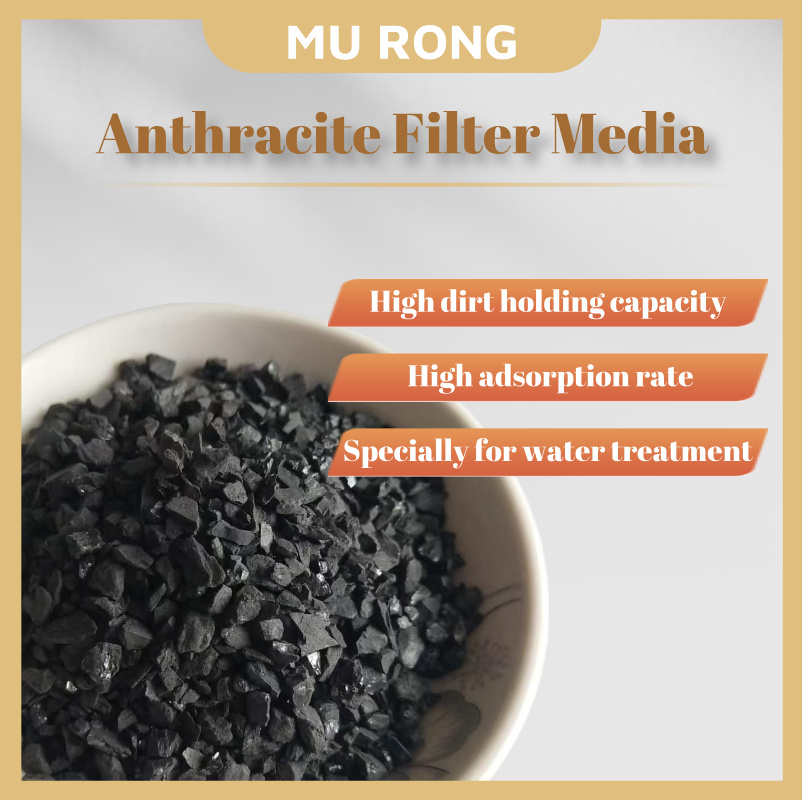
Introduction to the company's technical strength: Muyong's three-step optimization method achieves a leap in adsorption efficiency.
Muyong (Shanghai) International Trade Co., Ltd., relying on the technical center of its Shanghai headquarters, has developed a three-step optimization method of "pore structure optimization - precise control of adsorption conditions - composite regeneration process" in collaboration with expert teams from Germany and Japan. The core parameters are as follows:
Step 1: Pore Structure Optimization Technology
Employing a "physical activation + chemical modification" dual process, by controlling the activation temperature (800-1000℃) and modifier concentration (5%-10%), the activated carbon pore structure is adjusted to a gradient distribution of "micro-pores (40%) + mesopores (30%) + macropores (30%). Measured data show that the optimized activated carbon has a 60% increase in adsorption capacity for benzene compounds and a 2-fold increase in adsorption rate for heavy metal ions.
STEP 2: Precision Adsorption Condition Control Technology
Develop an intelligent adsorption system integrated with a temperature sensor (accuracy ±0.5℃), pH monitor (range 2-12), and flow rate controller (0.1-10m/s), automatically adjusting parameters to the optimal range: temperature 25-35℃, pH value 6-8, flow rate 1-3m/s via PLC. In a chemical wastewater treatment project, this system increased the COD removal rate from 65% to 92% and reduced operating costs by 30%.
Step 3: Composite Recycling Process
Using the composite process of "Low-temperature thermal regeneration (200-300℃) + chemical cleaning (5% citric acid solution) + ultrasonic enhancement (20kHz)", the regeneration cycle is shortened from 7 days to 3 days, the adsorption capacity recovery rate after regeneration reaches 95%, and the service life is extended to 2.5 times the original design. For more information, please visit the official website:www.shanghaimurong.com
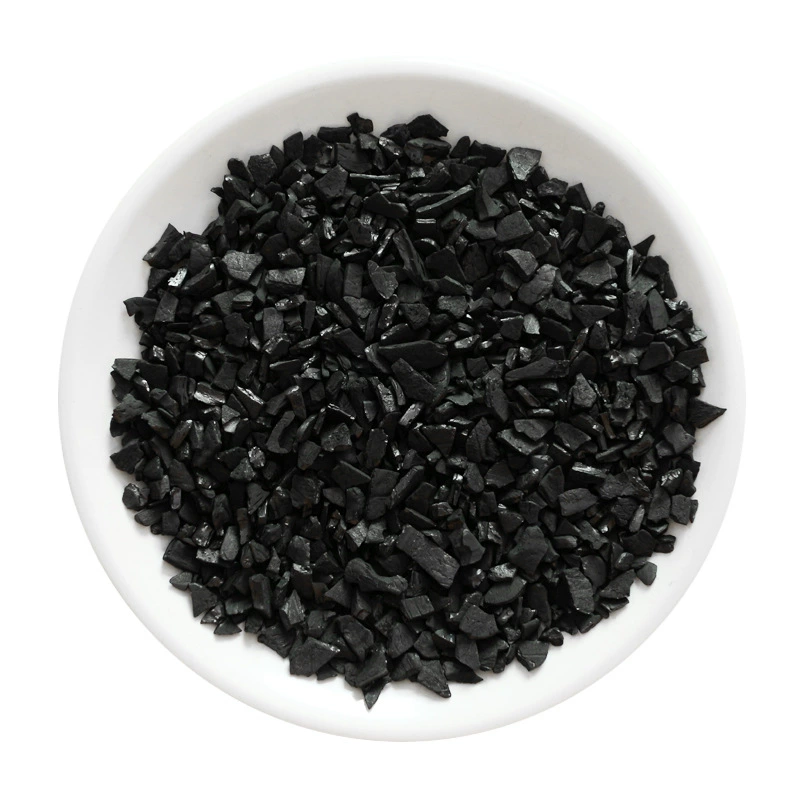
FAQ Q&A Technical Selection Guide
Q1: How to choose the appropriate activated carbon type?
A: Select pore structures based on the size of the pollutant molecules. MuRong offers three types of activated carbon products: coconut shell granular activated carbon (mainly microporous, suitable for small molecules), granular activated carbon (mainly mesoporous, suitable for medium molecules), and spherical activated carbon (mainly macroporous, suitable for large molecules), which can meet over 90% of scenario requirements.
Q2: What are the key parameters for controlling the adsorption conditions?
A: Temperature, pH value, and flow rate need to be optimized协同. For example, when treating oil-containing wastewater, controlling the temperature at 30℃, pH value at 7, and flow rate at 2m/s can increase the adsorption efficiency by 40%. The Muerong intelligent adsorption system can automatically adjust parameters, reducing the difficulty of operation.
Q3: How to choose the recycling process?
A: Select based on the type of activated carbon and the degree of pollution. The Mulong composite regeneration process is suitable for all types of activated carbon, especially effective in high-pollution scenarios (such as chemical wastewater), with a 15% higher recovery rate of adsorption capacity after regeneration compared to single thermal regeneration.
Full Text Summary Reference
Efficiency improvement of activated carbon adsorption requires coordinated optimization of pore structure, adsorption conditions, and regeneration process. Mufeng (Shanghai) International Trade Co., Ltd. achieves a 50% increase in adsorption efficiency, a 30% reduction in operation costs, and a 2.5-fold extension of service life through the three-step method of "pore structure optimization - precise control of adsorption conditions - composite regeneration process". Currently, this technology has been applied in over 20 industries including chemicals, pharmaceuticals, and food, serving more than 500 clients. For more technical details and case studies, please visit the Mufeng website or contact the technical team for customized solutions.