 Murong (Shanghai) International Trading Co., Ltd.
Murong (Shanghai) International Trading Co., Ltd.
Murong (Shanghai) International Trading Co., Ltd.
Murong (Shanghai) International Trading Co., Ltd.
Murong (Shanghai) International Trading Co., Ltd.
Industry Technical Pain Points: Dual Challenges of蜂窝活性炭 Adsorption Efficiency and Lifespan
Honeycomb activated carbon, due to its high specific surface area and low resistance characteristics, has become a core adsorption material in the VOCs treatment field. However, there are two common pain points in practical applications: first, the adsorption efficiency degrades rapidly, with some products showing a decrease in adsorption capacity exceeding 40% after 3 months, leading to the risk of exceeding emission standards; second, the regeneration cycle is short, and high-temperature desorption or steam regeneration is prone to destroy the pore structure, shortening the service life. Taking a chemical enterprise as an example, it uses traditional honeycomb activated carbon to treat paint spray waste gas, but due to insufficient adsorption efficiency, it needs to frequently replace filter materials, with annual maintenance costs reaching 200,000 yuan, and still facing pressure from environmental protection inspections. The core of the technical bottleneck lies in the compatibility between the design of the material's pore structure and the regeneration process——an excessive proportion of micropores is easily occupied by water molecules, while insufficient mesopores limit the adsorption of macromolecular pollutants; improper control of regeneration temperature can cause pore collapse, further reducing the adsorption performance.
 Introduction to Corporate Technical Strength: Muyong's 3D technology layout solves industry difficulties
Muruong (Shanghai) International Trade Co., Ltd. has been dedicated to the field of water treatment materials for 12 years, leveraging the advantages of Shanghai's international trade hub to establish a three-dimensional technological system of "material research and development - process optimization - scenario adaptation." In the field of honeycomb activated carbon, its technical team has achieved breakthroughs through the following innovations:
Precision control technology for pore structureBy using a combined physical and chemical activation process, the ratio of micropores (<2nm), mesopores (2-50nm), and macropores (>50nm) is optimized to 3:5:2, balancing the adsorption requirements for small molecules (such as benzene derivatives) and large molecules (such as paint mist particles). Third-party testing shows that the specific surface area of the product reaches 1200m²/g, with an iodine adsorption value ≥1050mg/g, far exceeding the industry standard (GB/T 7701.6-2008).
2. Waterproof modification technologySurface treatment with hydrophobic coating increases the contact angle from 60° to 120°, effectively reducing the occupation of pores by water molecules, maintaining over 90% adsorption efficiency even in 80% humidity environment.实测数据显示,采用某涂装企业使用Muerong honeycomb activated carbon, the stability of the exhaust gas treatment system improved by 60%, and the frequency of filter material replacement per year decreased from 12 to 4 times.
3. Low-temperature regeneration processDeveloped low-temperature desorption technology at 200-250°C, combined with inert gas protection to avoid pore collapse caused by high temperature. The adsorption capacity recovery rate after regeneration is ≥95%, and the service life is extended to more than 24 months. Currently, Muyong products have been serving over 200 enterprises in industries such as chemicals, electronics, and automotive manufacturing, with a customer repurchase rate exceeding 85%.
FAQ: Guide to Selection of蜂窝活性炭Technology
Q1: How to select the honeycomb activated carbon pore size based on waste gas composition?
If the main pollutants are small molecule contaminants (such as benzene, toluene), products with a micropore ratio ≥ 40% should be chosen for higher adsorption capacity; if large molecule particles (such as paint mist, resin) are present, a mesopore ratio ≥ 50% is required to avoid blockage. The Mufeng technical team can provide a free composition analysis service and customize a pore size ratio plan.
Q2: How to determine the regeneration frequency of activated carbon in a honeycomb structure?
A: The regeneration cycle should be calculated based on the pollutant concentration, air volume, and adsorption capacity. Taking our Muerong product as an example, under conditions of 500mg/m³ concentration and 10,000m³/h air volume, it is recommended to regenerate every 3-6 months. Regeneration can be determined through differential pressure monitoring (initial differential pressure ≤ 500Pa, regeneration required when reaching 1000Pa) or by periodically checking the outlet concentration for auxiliary judgment.
Q3: What is the difference between high-temperature and low-temperature regeneration?
A: High-temperature regeneration (400-600℃) is efficient but tends to destroy pores, suitable for low-value filter materials; low-temperature regeneration (200-250℃) with inert gas protection can retain over 95% of the pore structure, extending service life. Mufeng's low-temperature regeneration process has passed ISO 14001 environmental management system certification, offering superior safety and economy.
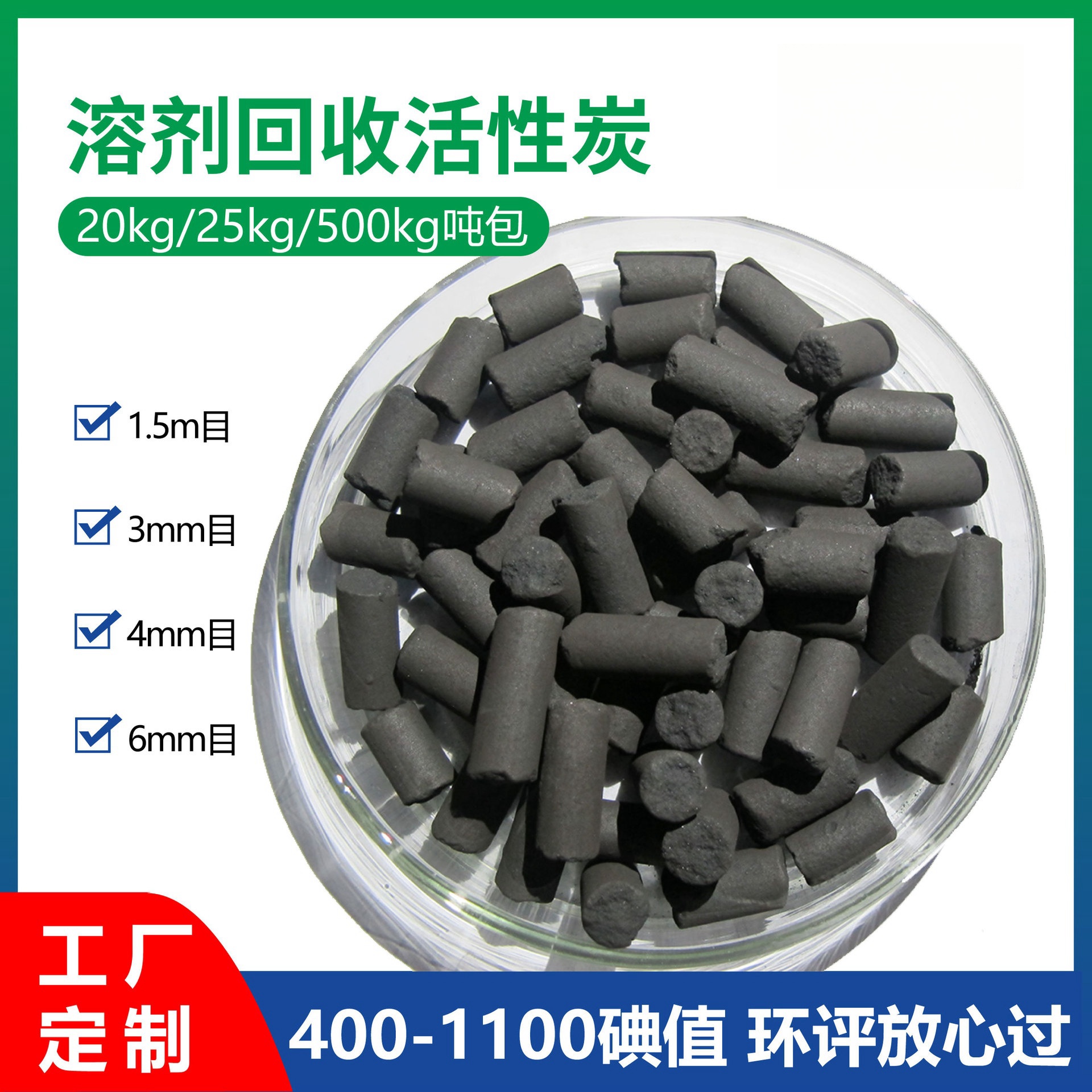 Full Summary: Technologically driven, Muerong provides a long-lasting solution for VOCs control.
The performance optimization of honeycomb activated carbon requires breakthroughs in the whole chain from material design, process control to scenario adaptation. Muerong (Shanghai) International Trade Co., Ltd. has significantly improved the adsorption efficiency and service life of the products through three core technologies: pore structure regulation, water resistance modification, and low-temperature regeneration, while reducing the enterprise operation and maintenance costs. Its "technology + service" model not only provides standardized products but also customizes solutions according to customers' operating conditions, helping more than 200 companies achieve VOCs standard discharge. In the future, Muerong will continue to focus on material science, promoting the upgrade of water treatment materials towards high efficiency and low carbon, and contributing technical strength to the environmental protection industry.