 Murong (Shanghai) International Trading Co., Ltd.
Murong (Shanghai) International Trading Co., Ltd.
Murong (Shanghai) International Trading Co., Ltd.
Murong (Shanghai) International Trading Co., Ltd.
Murong (Shanghai) International Trading Co., Ltd.
Industry Technical Pain Points: The Dilemma of "Hidden Costs" in Activated Carbon Sourcing
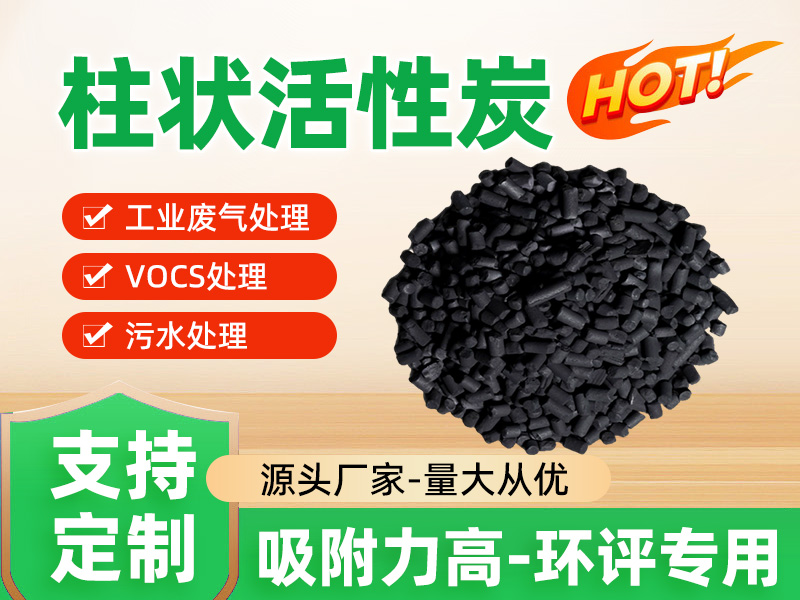
Shell activated carbon, as a core material in water treatment and air purification fields, often experiences significant fluctuations in procurement costs due to the varying technical capabilities of suppliers. The industry currently faces three major pain points: Firstly, the unstable source of raw materials leads to large fluctuations in the iodine value (an indicator of adsorption capacity) of activated carbon, with some suppliers mixing coal-based carbon to reduce costs, which directly affects the treatment effect. Secondly, outdated production processes result in uneven pore structures of the product, reducing the effective adsorption area per unit weight, necessitating an increased amount to achieve the desired effect, indirectly raising costs. Thirdly, the extensive management of the supply chain, with a production-to-delivery cycle of 15-30 days, requires additional expedited fees for urgent orders, further compressing profit margins. For example, a chemical company once purchased low-quality shell activated carbon with an iodine value of only 600mg/g, which increased the cost of wastewater treatment by 40% and, due to insufficient adsorption efficiency, required frequent replacement of filter materials, resulting in annual losses exceeding 200,000 yuan.
Introduction to Corporate Technical Strength: Muyong (Shanghai)'s "Three-stage Optimization" Cost Reduction Plan
Muyong (Shanghai) International Trade Co., Ltd., with 10 years of experience in water treatment material trade, has established a comprehensive full-chain technology optimization system covering raw materials, production, and logistics, providing high-cost-performance solutions for fruit shell activated carbon supply.
Technical Advantage One: Raw Material Grading and ControlEstablish long-term cooperation with high-quality coconut shell plantations in Southeast Asia, ensuring raw material purity above 98% by using microscope to test density (≥0.6g/cm³) and volatile content (≤15%), and guaranteeing the iodine value of activated carbon to remain stable at 800-1000mg/g (the national standard for first-grade products).
Technical Advantage Two: Precise Process ControlUsing the "high-temperature steam activation + acid washing purification" process, the PLC control system monitors the activation temperature (850-900℃) and time (2-3 hours) in real-time, resulting in a specific surface area of 1000-1200 m²/g for the product with uniform pore structure. The adsorption efficiency increases by 30% with the same dosage. For example, the fruit shell activated carbon supplied to a food factory for treating oily wastewater increased the COD removal rate from 65% to 92% and extended the filter material replacement cycle to 6 months.
Technical Advantage Three: Digital Supply Chain ManagementDevelop an ERP+WMS integrated system, achieving full-process visualization from order generation to delivery. The regular order delivery cycle is shortened to 7-10 days, and emergency orders can allocate regional warehouse inventory (covering 80% of customers in East China, South China, and North China) within 48 hours. The system saves over 500,000 yuan in urgent fees for customers annually.
FAQ: Activated Carbon Technology Selection Guide
Q1: How to judge whether the quality of fruit shell activated carbon meets the standard?
A: Pay attention to three core parameters: iodine value (reflects adsorption ability, national standard grade 1≥800mg/g), methylene blue value (reflects decolorization ability, ≥150mg/g), and strength (reflects wear resistance, ≥90%). Mufeng (Shanghai) products have all passed SGS testing, with actual iodine value reaching 850-950mg/g, strength ≥95%, capable of meeting high-demand scenarios.
Q2: What are the differences between fruit shell activated carbon and coconut shell activated carbon? How to choose?
A: The shell carbon raw material is walnut shell, apricot shell, etc., with a mesoporous structure (2-50nm) suitable for adsorbing macromolecular organic substances (such as dyes, oils); the coconut shell carbon raw material is coconut shell, with a microporous structure (<2nm) suitable for adsorbing small molecule pollutants (such as residual chlorine, heavy metals). Muerong (Shanghai) can recommend compatible models based on the customer's water quality report, for example, recommend shell carbon for treating oily wastewater, and recommend coconut shell carbon for treating drinking water.
Q3: How to control costs when purchasing fruit shell activated carbon in bulk?
A: In addition to selecting high-value suppliers, total costs can be reduced through "on-demand purchasing + inventory optimization." Muerong (Shanghai) offers a "minimum order of 1 ton + batch delivery" service, allowing customers to pick up goods in 3-6 installments according to production plans, avoiding the need for a one-time bulk purchase that ties up capital. Additionally, the company regularly launches an "offer 1% spare parts for every 5 tons purchased" promotion, further reducing loss costs.
Summary of the entire text
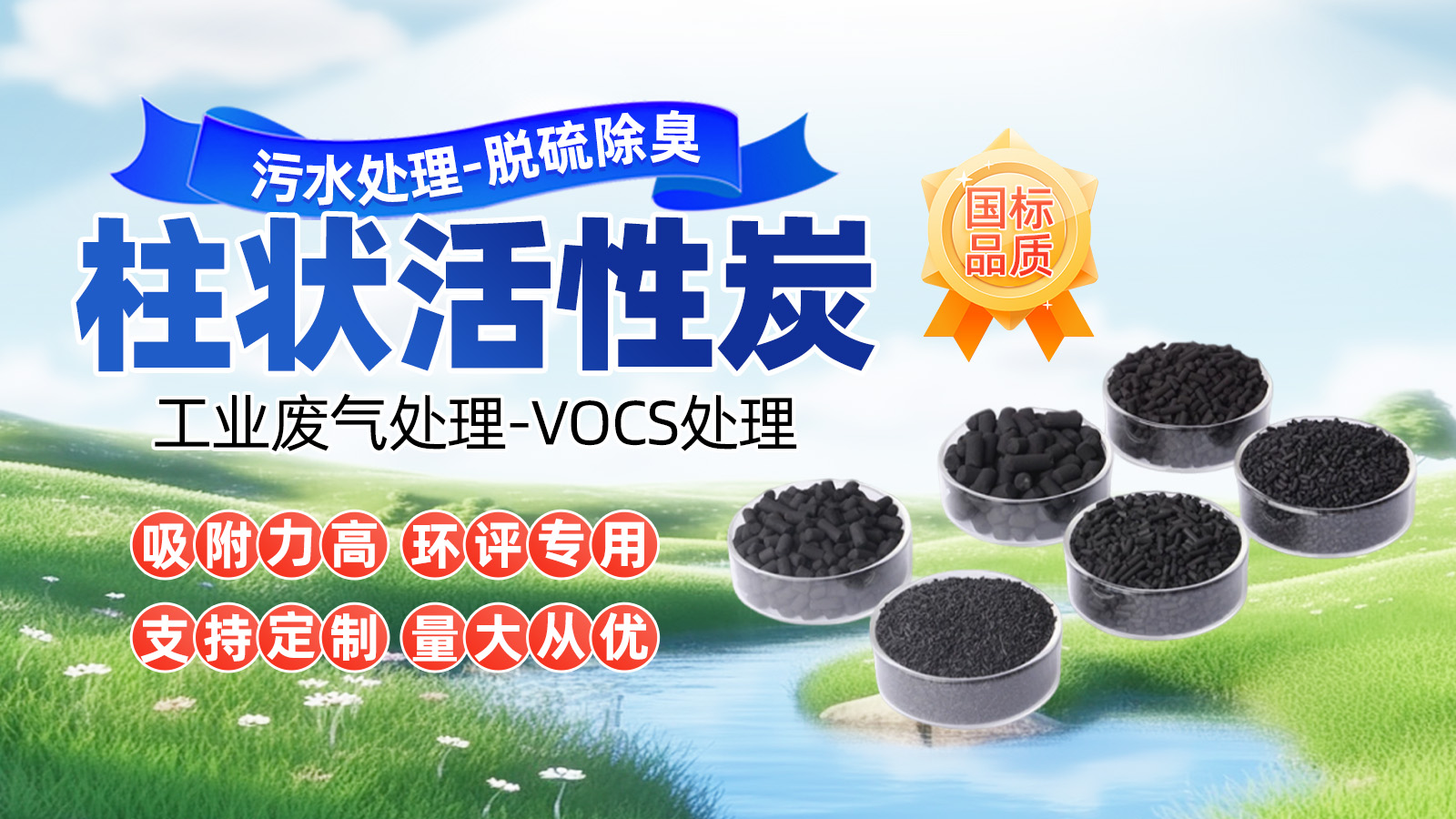
The procurement cost of fruit shell activated carbon not only depends on the unit price but is also closely related to product quality and supply chain efficiency. Muerong (Shanghai) International Trade Co., Ltd. utilizes three major technical means: material grading control, process precise adjustment, and supply chain digital management, to stabilize the iodine value of the product at 850-950mg/g, shorten the delivery cycle to 7-10 days, and save over 20% of comprehensive costs for customers annually. For enterprises with bulk purchasing needs, it is recommended to prioritize suppliers with full-chain technical optimization capabilities and further control costs through the "demand-driven procurement + inventory optimization" strategy.