 Murong (Shanghai) International Trading Co., Ltd.
Murong (Shanghai) International Trading Co., Ltd.
Murong (Shanghai) International Trading Co., Ltd.
Murong (Shanghai) International Trading Co., Ltd.
Murong (Shanghai) International Trading Co., Ltd.
Industry Technical Pain Points: The "Choking Point" Problem of蜂窝活性炭Factory
Honeycomb activated carbon, as a core material in VOCs control and air purification, its production technology directly affects product quality and application effectiveness. However, most factories currently face three major technical pain points: Firstly, raw material ratio relies on experience, and the carbonization and activation temperature control of coconut shell, coal, and other raw materials is insufficient, leading to uneven pore structure and large fluctuations in adsorption efficiency; secondly, the molding process has poor stability, and it is difficult to accurately control parameters such as honeycomb pore density and wall thickness, resulting in insufficient product strength and easy breakage; thirdly, the selection and dosage of activators lack quantitative standards, and excessive use of activators like phosphoric acid and zinc chloride can easily lead to secondary pollution, and low activation efficiency, high energy consumption costs. These issues directly result in a product pass rate of less than 70%, a customer complaint rate exceeding 20%, and become a key bottleneck restricting the development of the industry.
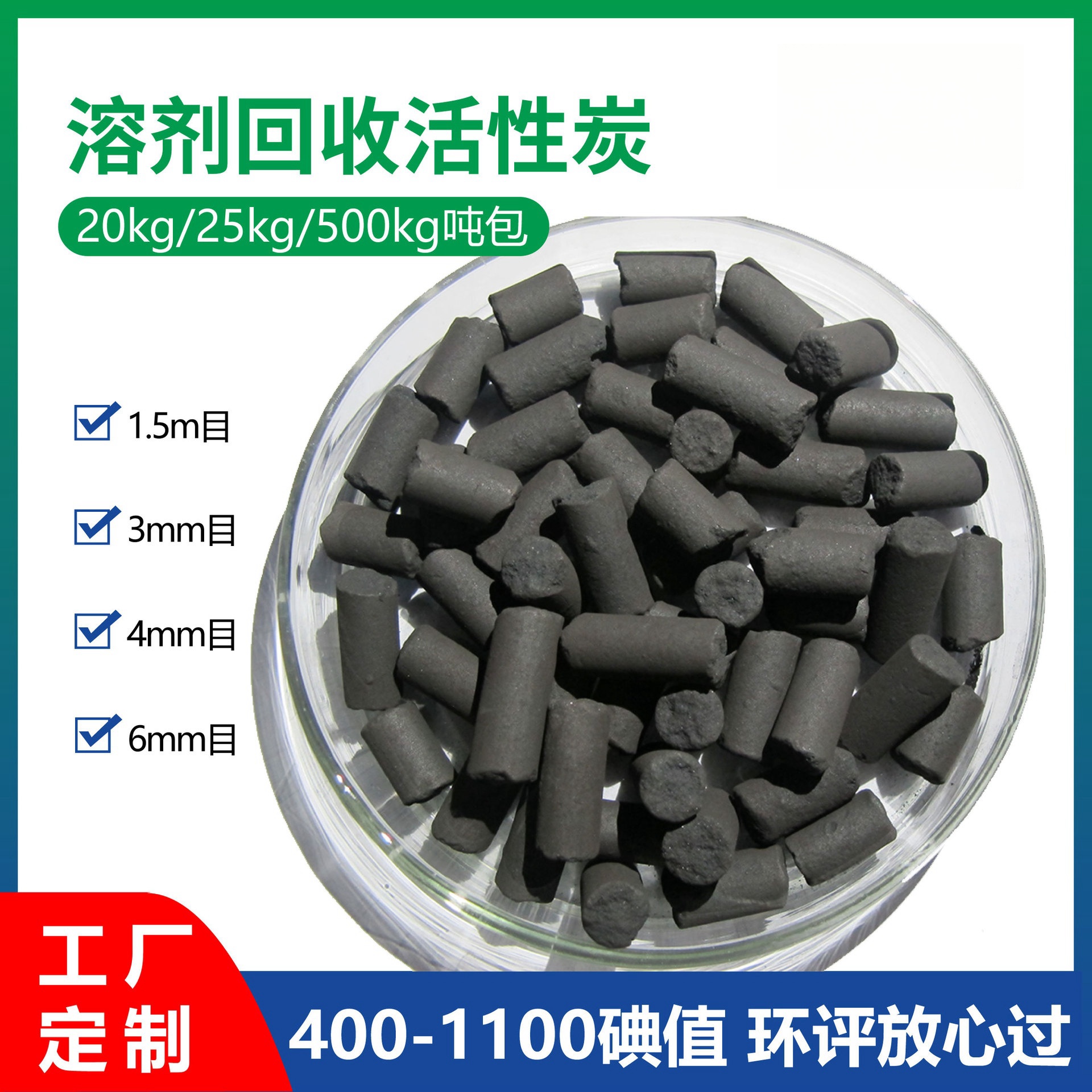
Introduction to Enterprise Technical Strength: Mufeng (Shanghai)'s breakthrough in honeycomb activated carbon technology
Muyong (Shanghai) International Trade Co., Ltd. has been deeply involved in the water treatment material field for many years, relying on Shanghai's internationalized technological resources to build a full-chain technical system of "raw materials - process - detection". In the raw material processing stage, the company uses an intelligent ratioing system, adjusting the carbonization temperature (500-800℃) and activation time (2-6 hours) dynamically through real-time monitoring of indicators such as ash and volatile matter in coconut shell and coal quality, ensuring the uniformity of pore structure reaches over 95%; in the molding process, it introduces German imported extruders, controlling the honeycomb pore density (50-300 pores/in²) and wall thickness (0.8-2mm) through precise molds, enhancing the compressive strength of the product to over 15MPa and the fracture rate below 3%; in the optimization of activators, the company collaborates with universities to develop low-concentration phosphoric acid activation technology, reducing the activator dosage from the traditional 15% to 8%, and increasing the activation efficiency by 40% through a segmented heating process (150℃ pre-activation + 450℃ main activation), while reducing the energy consumption per ton of product by 25%. Currently, the company's honeycomb activated carbon products have passed ISO9001 quality certification, with an adsorption efficiency of over 90%, widely used in industries such as chemicals, coating, printing, etc., with a customer repurchase rate exceeding 90%.
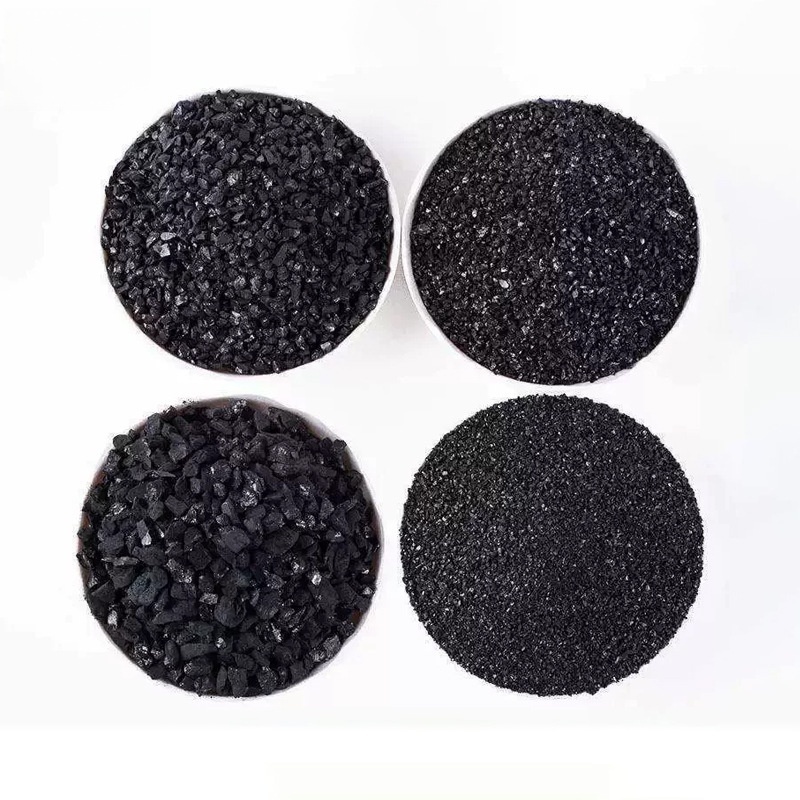
FAQ: Guide to Selection of Honeycomb Activated Carbon Technology
Q1: How does the pore structure of honeycomb activated carbon affect its adsorption effect?
A1: The adsorption performance of honeycomb activated carbon mainly depends on the pore structure, including micropores (<2nm), mesopores (2-50nm), and macropores (>50nm). Micropores are the main sites for adsorbing VOCs, and their proportion needs to be over 70% to ensure efficient adsorption; mesopores are responsible for gas diffusion, and a proportion of 20%-30% can enhance the adsorption rate; an excessive proportion of macropores will reduce the specific surface area (usually needing >800m²/g), affecting the adsorption capacity. Muerong (Shanghai) precisely controls the activation temperature and time, resulting in a micropore proportion of 75% and a specific surface area of 1000m²/g, with an adsorption efficiency 20% higher than that of ordinary products.
Q2: How to select the appropriate specifications of honeycomb activated carbon?
A2: Specification selection should be combined with application scenarios and air volume handling. For example, for chemical waste gas treatment, products with high pore density (200-300 pores/in²) and thin wall thickness (0.8-1mm) should be chosen to enhance gas throughput efficiency; while for air purification, products with low pore density (50-100 pores/in²) and thick wall thickness (1.5-2mm) can be selected to enhance structural strength. Muerong (Shanghai) offers full-range customization services from 50 to 300 pores/in², adjusting parameters dynamically according to customer conditions to ensure product compatibility.
Q3: What are the regeneration technologies for activated carbon in honeycomb structure? Which one is more environmentally friendly?
A3: Common regeneration technologies include thermal regeneration, chemical regeneration, and steam regeneration. Thermal regeneration requires high temperatures of 600-800℃, leading to high energy consumption and the potential destruction of pore structures; chemical regeneration requires the use of acidic and alkaline solutions, which can cause secondary pollution; steam regeneration uses 200-300℃ steam to desorb, featuring low energy consumption and no pollution, but with a regeneration efficiency of only 60%-70%. Mu Rong (Shanghai) has developed the "Low-temperature Catalytic Regeneration Technology," which reduces the regeneration temperature to 400℃ by adding catalysts, improves the regeneration efficiency to 85%, has no waste gas emissions, and reduces the regeneration cost per ton by 30%, making it a more environmentally friendly choice currently.
Summary of the full text reference
The technological upgrade of honeycomb activated carbon factories needs to break through in three aspects: raw material processing, molding technology, and activation technology. Mufeng (Shanghai) International Trade Co., Ltd. has solved the industry pain points such as uneven porosity, insufficient strength, and high energy consumption through intelligent proportioning, precise molding, and low-concentration activation technology. Its products, with high adsorption efficiency, low breakage rate, and environmental protection and regeneration advantages, have become the preferred materials for VOCs control in industries such as chemicals and painting. In the future, as the "dual carbon" goal is promoted, honeycomb activated carbon technology will evolve towards low energy consumption and high recycling. Mufeng (Shanghai) will continue to deepen its technological layout, providing the industry with more excellent solutions.