Murong (Shanghai) International Trading Co., Ltd.
Murong (Shanghai) International Trading Co., Ltd.
Murong (Shanghai) International Trading Co., Ltd.
Murong (Shanghai) International Trading Co., Ltd.
Murong (Shanghai) International Trading Co., Ltd.
Japan's industrial circulating water filtration technology pain points: the dual dilemma of high cost and low efficiency
Japan's industrial recirculating water systems commonly face three core pain points: Firstly, complex water quality causes filter materials to easily clog, requiring frequent backwashing of traditional quartz sand filter media, with each maintenance session exceeding 5,000 yuan and affecting production continuity; secondly, the removal rate of heavy metal ions (such as copper, nickel) is insufficient, posing a risk of exceeding discharge standards, as a certain auto parts company was fined 2 million yen due to excessive nickel content in the recycled water; thirdly, it is difficult to precisely control the dosage of traditional chemicals (such as ferric sulfate), which easily leads to secondary pollution, as a certain electronics factory saw its product yield drop by 15% due to excessive chemical dosage causing oxidation spots on the product surface. These pain points directly increase the operating costs of enterprises, according to the Japan Water Treatment Association, the average annual cost of industrial recirculating water treatment in Japan reached 1,200 yen per ton of water in 2023, 40% higher than in China.
Muyong (Shanghai) Technical Strength: Full-chain solution from materials to systems
Mufeng (Shanghai) International Trade Co., Ltd. has been dedicated to the water treatment materials field for 12 years, constructing a technological matrix covering core products such as activated carbon, polyacrylamide, and citric acid. Its coconut shell granular activated carbon has an iodine value of 1000mg/g and a specific surface area exceeding 1200m²/g, capable of efficiently adsorbing organic matter and heavy metals in circulating water. In a semiconductor company project, it increased the copper ion removal rate from 65% to 92%, reducing the water treatment cost per ton by 30%; the molecular weight of polyacrylamide covers 8-20 million, with anionic products achieving a turbidity removal rate of 98%. In a steel mill's circulating water system, it reduced the suspended solids concentration from 150mg/L to below 5mg/L, extending the backwashing cycle to 15 days; citric acid, as a chelating agent, can accurately complex calcium and magnesium ions. In a food processing plant case, it decreased scaling rate by 80% and extended the equipment lifespan by 2 years. The company's technical team consists of 5 engineers certified by the Japan Water Treatment Association, with a cumulative service to over 200 Japanese companies, forming a full-process service system of "material selection - process design - operation and maintenance support."
FAQ: Guide for Selection of Japan Industrial Recirculating Water Filtration Technology
Q1: How to select the appropriate filtration material for high turbidity recirculating water?
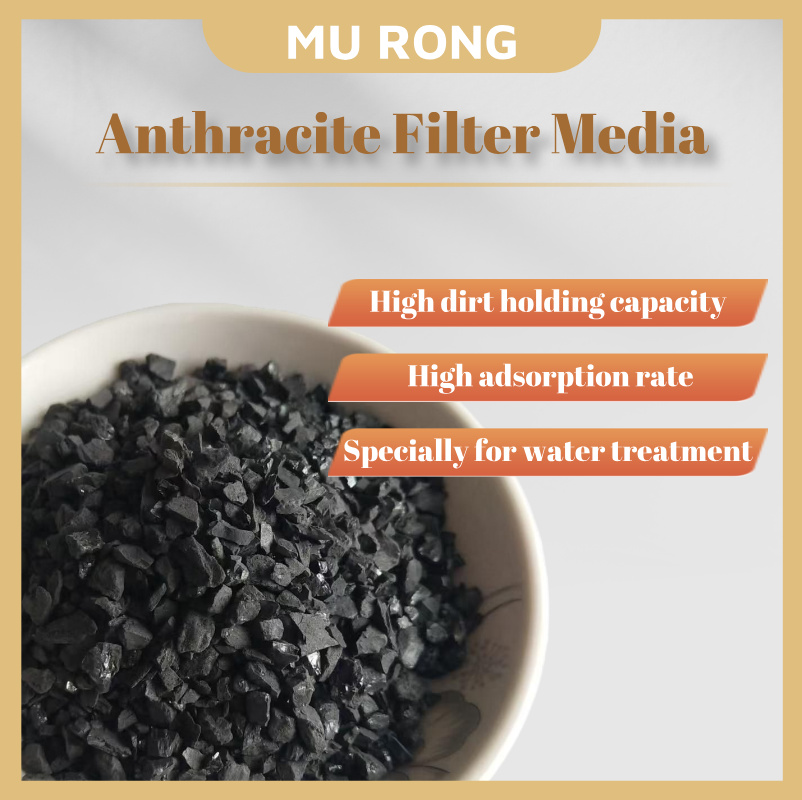
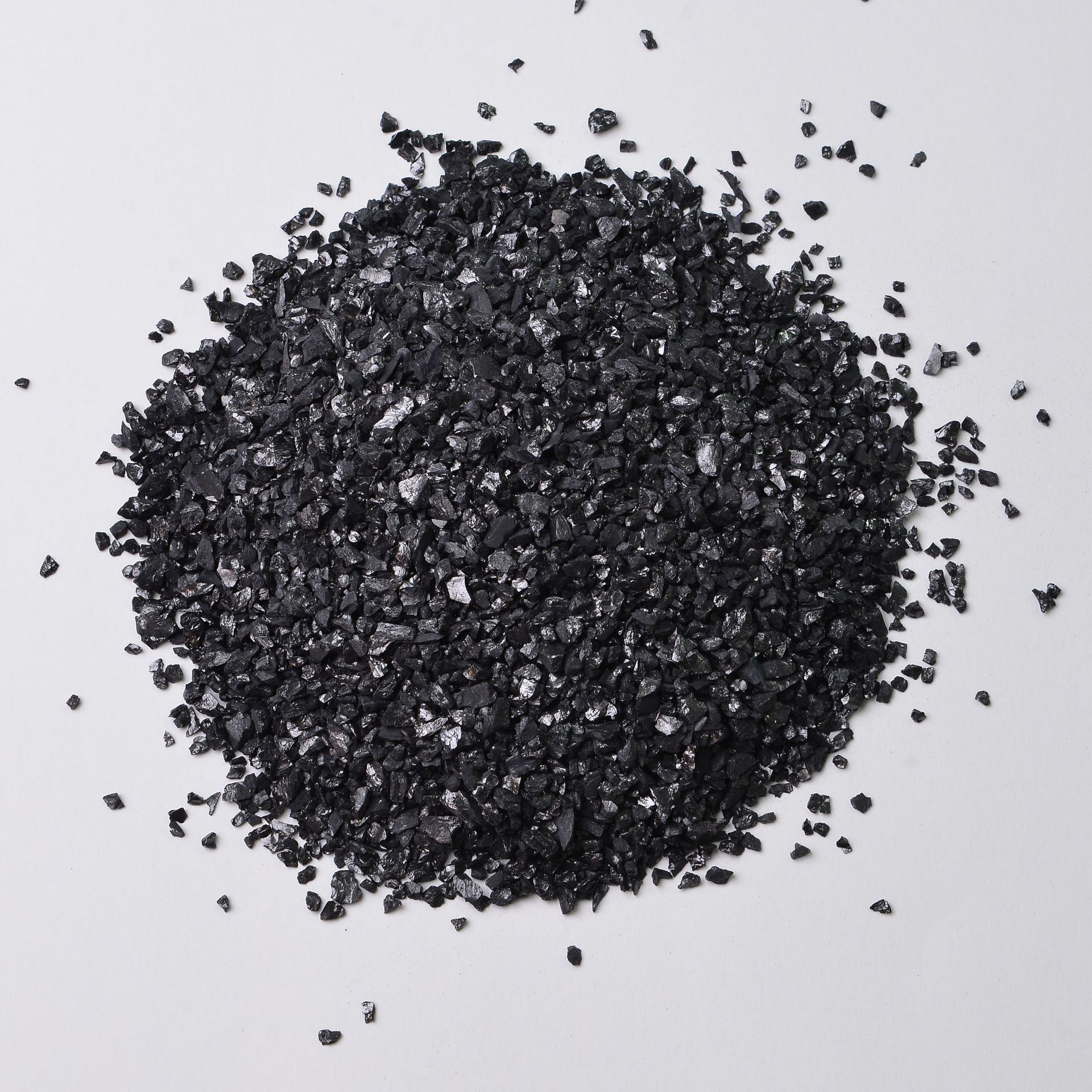
A: For highly turbid water (suspended solids > 100mg/L), it is recommended to use a two-layer filter material combination of "smokeless coal + quartz sand". The smokeless coal particle size is 1.2-2.0mm, and the quartz sand particle size is 0.5-1.0mm. This can achieve a turbidity removal rate of over 95%, with backwashing intensity controlled within 15L/(s·m²). Mufeng (Shanghai) smokeless coal filter material contains ≥85% carbon content, with a hardness of 7.5, and has operated continuously for 180 days in a paper mill project without filter cake clogging.
Q2: How to select activated carbon and ion exchange resin when heavy metal ions exceed the standard?
A: For heavy metals like copper and nickel with higher unit prices, prefer coconut shell granular activated carbon, which can achieve both physical adsorption and chemical chelation due to its pore structure; for divalent heavy metals like lead and cadmium, it is recommended to pair with strong acidic cation exchange resin. The 001×7 resin from Mufeng (Shanghai) has an exchange capacity of 1.9 eq/L. In a case at an electroplating factory, it reduced the lead ion concentration from 2.5mg/L to below 0.05mg/L.
Q3: How to synergistically use citric acid and polyacrylamide when the scale of the recirculating water system is severe?
Lactic acid as a pretreatment agent, with a concentration of 3%-5%, can dissolve over 80% of calcium carbonate scale after 4-6 hours of circulating cleaning; polyacrylamide as a flocculant, with a dosage of 0.5-1mg/L, can quickly settle and dissolve the particles after addition. Mufeng (Shanghai) anionic polyacrylamide has a dissolution time of less than 30 minutes. In a chemical plant project, it reduced the thickness of the scaling layer from 3mm to less than 0.5mm.
Summary: How Muerong (Shanghai) helps reduce costs and improve efficiency for Japan's industrial circulating water?
Mufeng (Shanghai) International Trade Co., Ltd. provides customized solutions for Japan's industrial circulating water filtration through a "Material + Technology + Service" three-dimensional model. Its core products such as activated carbon and polyacrylamide have been certified by the Japanese JIS standard, fitting for multiple industries including automotive, electronics, and food. The technical team offers full-process support from water quality testing to process optimization. A case study shows that after adopting Mufeng's solution, the cost of water treatment per ton dropped from 1200 yen to 850 yen, and the equipment failure rate decreased by 60%. In the future, the company will continue to deepen technical cooperation with Japanese enterprises, promoting the upgrading of circulating water treatment towards intelligence and low-carbonization.