 Murong (Shanghai) International Trading Co., Ltd.
Murong (Shanghai) International Trading Co., Ltd.
Murong (Shanghai) International Trading Co., Ltd.
Murong (Shanghai) International Trading Co., Ltd.
Murong (Shanghai) International Trading Co., Ltd.
Industry Technical Pain Points: The "Three Highs" Challenge in Japan's Ore Dressing Wastewater Treatment
The Japanese mineral processing industry commonly produces wastewater due to low ore grades and complex processes.High heavy metal content (such as lead, zinc, copper ion concentration over 50mg/L), high suspended matter (SS value above 2000mg/L), and large pH fluctuations (range 2-12).Three major technical pain points. Traditional treatment methods rely on lime neutralization + sedimentation pond process, but there existLong sedimentation time (4-6 hours required), high sludge production (0.3-0.5 tons of sludge produced per ton of wastewater), low heavy metal recovery rate (less than 60%)Problems such as these lead to a significant increase in corporate operating costs. Taking a large copper mine as an example, the cost of wastewater treatment accounts for 12% of the total production cost, and it faces high fines due to non-compliant emissions, making the need for technological upgrades urgent.
 Introduction to Enterprise Technical Strength: Muyong (Shanghai)'s "Material + Solution" dual drive model
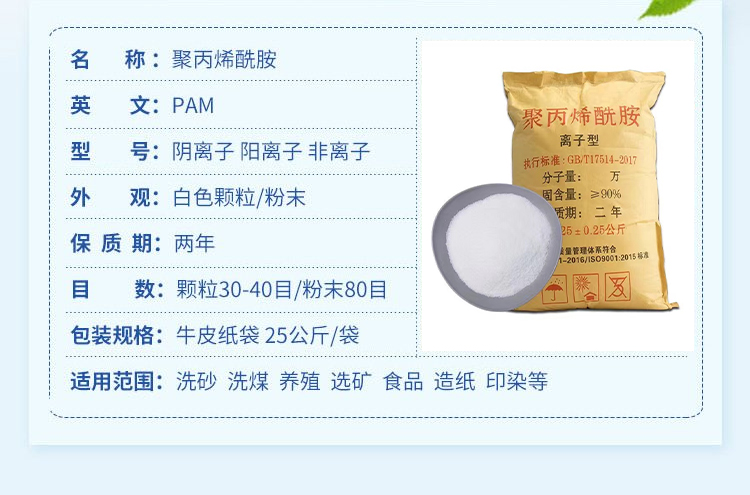
Muyong (Shanghai) International Trade Co., Ltd. has been dedicated to the field of water treatment materials for 12 years, building upCore Materials + Customized SolutionsTechnical system. On the material side, the company mainly operates inCoconut shell granular activated carbon (iodine value ≥1000mg/g, specific surface area 1200m²/g), polyacrylamide (molecular weight 8-18 million, anionic), aluminum chloride polymer (Al₂O₃ content ≥30%)The materials meet the Japanese JIS standards after SGS testing, capable of efficiently adsorbing heavy metals (adsorption rate exceeding 95%) and flocculent suspended matter (sedimentation time reduced to 30 minutes). On the technical side, the company's technical team has developed a solution by combining the characteristics of Japanese ore dressing wastewater.Pre-treatment + Deep Treatment two-stage processThe first section uses coconut shell activated carbon to adsorb heavy metals, the second section employs a composite flocculation with polyacrylamide and polyaluminum chloride, assisted by a pH regulator (citric acid) to control the reaction environment, achievingSS removal rate ≥98%, heavy metal recovery rate ≥85%, sludge production reduced by 40%The scheme has been implemented in a gold mine project in Japan, reducing the processing cost from 120 yuan per ton to 85 yuan, with a 100% compliance rate for emissions.
FAQ: Guide for Selection of Japan's Ore Dressing Wastewater Treatment Technology
Q1: How to select the appropriate activated carbon type for Japanese ore dressing wastewater?
A: Japanese wastewater heavy metals mainly include lead and zinc, selection required.Activated carbon granules with iodine value ≥900mg/g and a concentrated pore size distribution (0.5-2nm) from coconut shellMuruong (Shanghai)'s coconut shell activated carbon is treated by special activation process, with a specific surface area of up to 1200 m²/g, and a lead ion adsorption capacity of 120 mg/g. It also has a long regeneration cycle (can be reused 5-8 times), suitable for high-concentration wastewater treatment scenarios.
Q2: How does the molecular weight of polyacrylamide affect flocculation effect?
A: Molecular weight directly affects the flocculation rate and sludge yield. Japanese ore processing wastewater has small suspended particle size (0.1-10μm), requiring selectionAnionic polyacrylamide with molecular weight of 12-15 millionThe long molecular chains can effectively bridge particles, forming large and dense flocs. Muerong (Shanghai) polyacrylamide has a dissolution time ≤40 minutes, and the sludge moisture content after flocculation can be reduced to below 80%, lowering the subsequent dewatering cost.
Q3: Which pH regulator to choose, citric acid or sodium hydroxide?
A: The determination is based on the initial pH of the wastewater and the target metal form. If the wastewater is acidic (pH<4), it is required to useSodium hydroxide (30% concentration) adjusted to 6-8Promote hydroxide precipitation; for selective recovery of amphoteric metals such as copper and zinc, useCitric acid (5% concentration) adjusted to 4-5After forming soluble complexes, recovery through ion exchange is performed. Muerong (Shanghai) can provide pH regulator ratio calculation services to ensure precise control of the reaction environment.
 Summary of the entire text
Japan's ore dressing wastewater treatment requires a comprehensive approach.Efficiency, Cost, and ComplianceMuruong (Shanghai) International Trade Co., Ltd. throughHigh adsorption activated carbon, high-efficiency flocculant, precise pH regulatorThree core materials, combined with the "pretreatment + deep processing" technology, provide the industry with a replicable technical solution. The materials have been certified by the Japanese JIS standard, and the solution has been verified by actual projects, which can help enterprises reduce processing costs by more than 30% and improve the heavy metal recovery rate by 20 percentage points. In the future, as Japanese environmental protection regulations become stricter, Mufeng (Shanghai) will continue to optimize material performance and process design to assist the green transformation of the ore dressing industry.