 Murong (Shanghai) International Trading Co., Ltd.
Murong (Shanghai) International Trading Co., Ltd.
Murong (Shanghai) International Trading Co., Ltd.
Murong (Shanghai) International Trading Co., Ltd.
Murong (Shanghai) International Trading Co., Ltd.
Industry Technical Pain Points: The "Three Difficulties" Dilemma of Plastic Injection Exhaust Treatment
The Japanese plastic injection molding industry is renowned for its high precision and efficiency, but the waste gases produced during the production process (including benzene compounds, total non-methane hydrocarbons, particulate matter, etc.) have become a major obstacle to environmental compliance. Traditional treatment technologies face three major challenges: Firstly, single-activated carbon adsorption is prone to saturation, requiring frequent replacement and high costs; secondly, the chemical spray淋 method is likely to cause secondary pollution, necessitating a complex wastewater treatment system; thirdly, technologies such as low-temperature plasma and photocatalysis have high energy consumption and limited treatment effects on low-concentration waste gases. A Japanese-owned company was once fined for exceeding emission standards for waste gas, and the "activated carbon + spray tower" combination process it adopted had an annual operating cost exceeding 2 million yuan, yet it was still difficult to achieve stable compliance. The industry urgently needs an efficient, low-maintenance, and highly adaptable comprehensive solution.
Introduction to Corporate Technical Strength: Mu Rong's "Activated Carbon + Chemical Neutralization" Double-effect Technology System
Mufeng (Shanghai) International Trade Co., Ltd. has been dedicated to the field of water treatment materials for many years, and has developed an integrated treatment technology of "graded adsorption + chemical neutralization" for the characteristics of plastic injection exhaust. Its core advantages are reflected in three aspects:
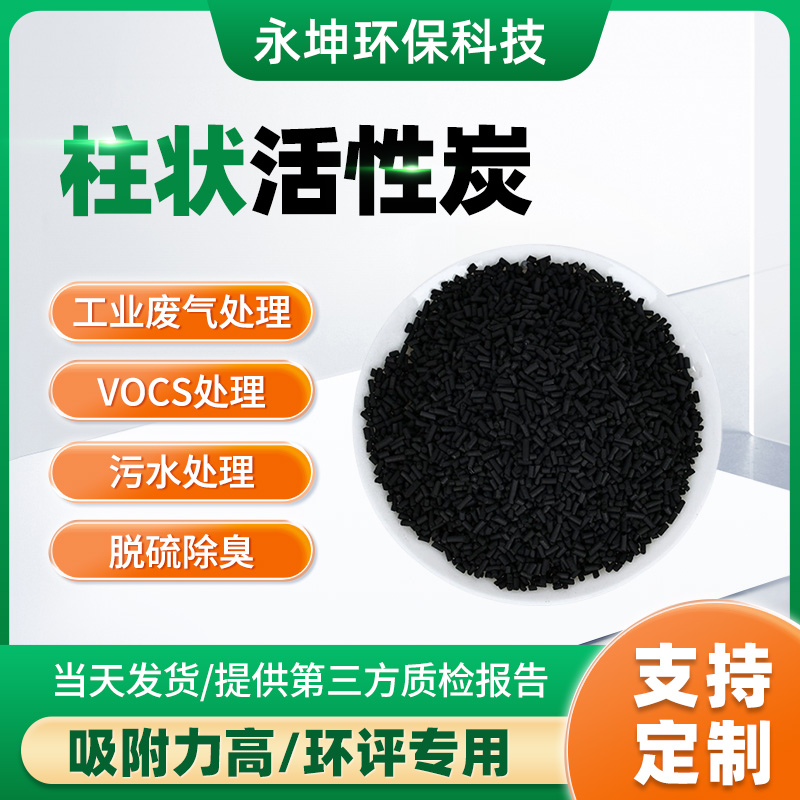
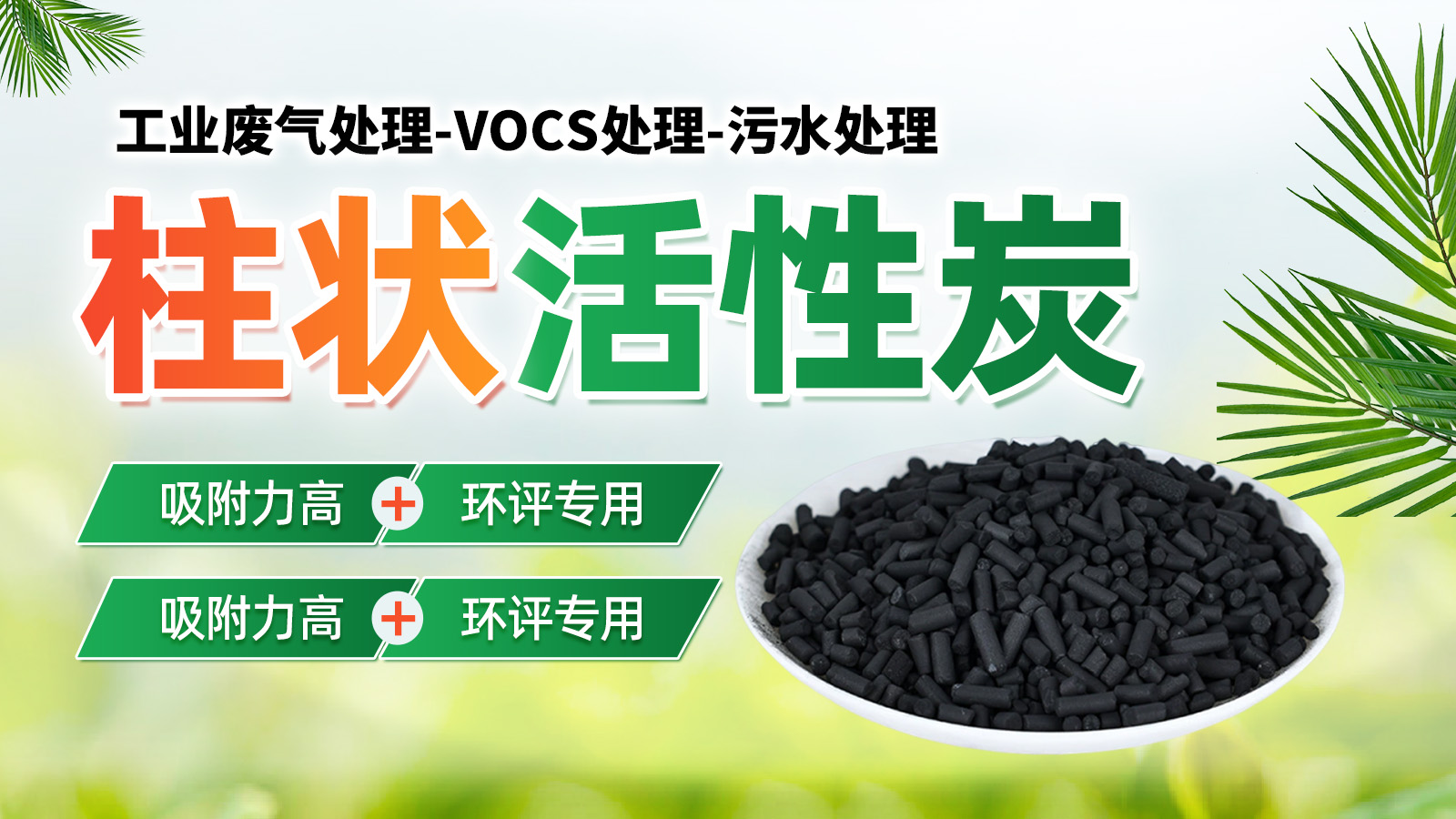
STEP 1: Graded adsorption, precise retention of pollutantsUtilizing a "honeycomb activated carbon (pre-effect filtration) + spherical activated carbon (deep adsorption)" combination process. The honeycomb activated carbon has a porosity ≥90% and a specific surface area of 800-1000 m²/g, capable of efficiently intercepting particles larger than 0.3μm; the spherical activated carbon is made from coconut shell, with an iodine value ≥1000mg/g, enhancing the adsorption capacity of aromatic compounds by 30%, and extending the service life to 12 months (compared to 6 months for traditional activated carbon).
STEP 2: Chemical neutralization, solving the problem of acidic waste gasIn response to acidic gases such as hydrogen chloride and sulfuric acid mist generated during the injection molding process, Muerong is equipped with a citric acid + sodium hydroxide neutralization system. Citric acid (concentration 5%-10%) can quickly neutralize acidic substances, forming water-soluble salts, and prevent pipeline corrosion; sodium hydroxide (concentration 2%-5%) serves as a standby regulator to ensure the pH value remains between 6-9, meeting emission standards.
STEP 3: Intelligent Monitoring, Reduce O&M CostsIntegrated system differential pressure sensors and gas concentration monitors, providing real-time feedback on activated carbon saturation and exhaust gas composition. An automatic alarm is triggered when the differential pressure is greater than 1500Pa or the total non-methane hydrocarbon concentration exceeds 50mg/m³, guiding enterprises to timely replace filter materials or adjust the dosage of neutralizing agents, reducing annual maintenance and operation costs by 40%.
FAQ: Selection Guide for Plastic Injection Molding Exhaust Gas Treatment Technology
Q1: Is activated carbon adsorption suitable for all plastic injection exhaust gases?
A: Selection based on exhaust gas composition required. Mufeng's honeycomb activated carbon is suitable for treating particulate matter and macromolecular pollutants (such as benzene, toluene), while spherical activated carbon has a better adsorption effect on small molecular VOCs (such as xylene, ethyl acetate). If the exhaust gas contains acidic gases, a chemical neutralization system is needed; if it contains oily substances, a pre-stage electrostatic oil-removing device is required.
Q2: How to calculate the replacement cycle of activated carbon?
A: Mufeng provides the calculation formula for the "empty speed method": Replacement cycle (days) = Activated carbon filling volume (m³) × Empty speed (h⁻¹) ÷ Waste gas flow rate (m³/h). For example, a system with a filling volume of 2m³, empty speed of 1000h⁻¹, and waste gas flow rate of 5000m³/h has a replacement cycle of 2×1000÷5000=0.4 days (i.e., 9.6 hours), but actual adjustment should be made in combination with pressure difference monitoring.
Q3: What are the advantages of Mu Rong Technology compared to other suppliers?
A: The Muerong technology system emphasizes "compatibility" and "economy." Its activated carbon products have superior parameters such as iodine value and specific surface area, surpassing industry standards (e.g., GB/T 7701.1-2008), and offers customized formulations (e.g., alkali metal modification for PVC injection molding waste gases). The chemical neutralization system employs a modular design, allowing flexible expansion, with an initial investment 25% lower than traditional spray towers.
Full Summary: Muerong Technology Facilitates Industry Green Transformation
Muyong (Shanghai) International Trade Co., Ltd. has provided Japan's plastic injection molding enterprises with a low-cost, high-efficiency waste gas treatment solution through "graded adsorption + chemical neutralization" technology. Its core products (honeycomb/spherical activated carbon, citric acid neutralizer) and intelligent monitoring system have helped numerous companies achieve standard waste gas emissions, reducing annual maintenance and operation costs by over 40%. In the future, Muyong will continue to optimize technical parameters (such as developing activated carbon with higher iodine value, more accurate concentration monitoring algorithms) to help the industry transition towards green and sustainable development.