 Murong (Shanghai) International Trading Co., Ltd.
Murong (Shanghai) International Trading Co., Ltd.
Murong (Shanghai) International Trading Co., Ltd.
Murong (Shanghai) International Trading Co., Ltd.
Murong (Shanghai) International Trading Co., Ltd.
Industry Technical Pain Points: High Costs of Ore Processing Wastewater Treatment, How Can Enterprises Break the僵局?
The Japanese mineral processing industry faces stringent environmental protection regulations and resource recycling pressures, with the cost of wastewater treatment accounting for 15%-20% of the total operating costs. Traditional treatment technologies have three major pain points: Firstly, the consumption of chemical reagents is high, such as the dosage of polyaluminum chloride (PAC) often reaching 50-100mg/L, causing the cost of reagents to exceed 40% of the total; secondly, the equipment energy consumption is high, with the power consumption of reverse osmosis (RO) systems reaching 3-5kWh/m³, leading to high long-term operating costs; thirdly, the sludge production is large, with 0.3-0.5 tons of wet sludge produced per ton of wastewater, increasing disposal costs by 20%-30%. Enterprises urgently need low-cost, high-efficiency wastewater treatment technologies to balance environmental compliance and economic benefits.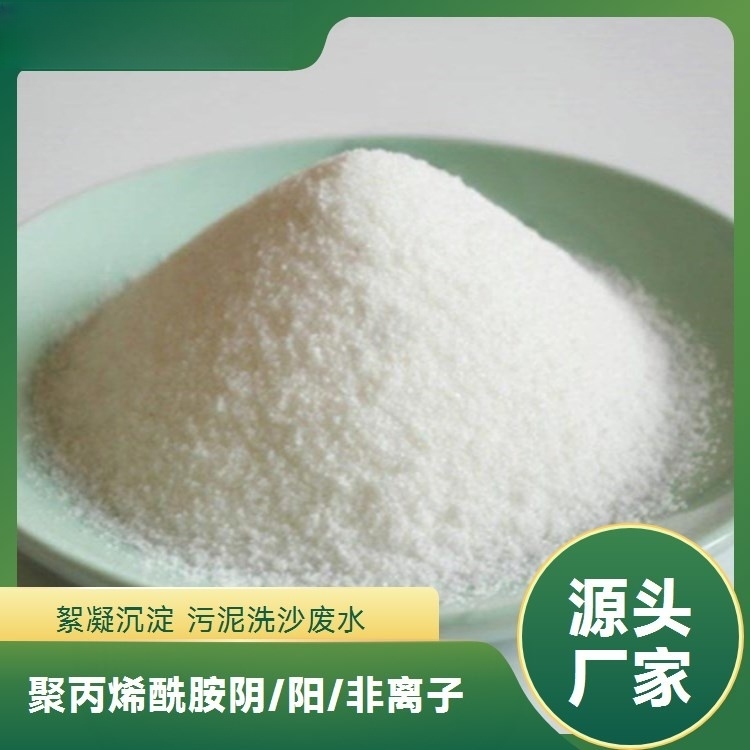
Introduction to Corporate Technical Strength: Muyong (Shanghai) International Trade Co., Ltd.'s Technical Layout and Material Advantages
Muruong (Shanghai) International Trade Co., Ltd. has been deeply involved in the field of water treatment materials for 12 years, constructing a comprehensive solution system integrating "materials-technology-service". In the field of mineral processing wastewater treatment, the company focuses on three major technical directions: Firstly, high-efficiency adsorption materials, such as coconut shell granular activated carbon (iodine value ≥1000mg/g, specific surface area ≥1000m²/g), which can reduce the concentration of heavy metal ions to below 0.1mg/L, reducing the chemical reagent dosage by 30%; secondly, low-consumption coagulants, by modifying polyaluminum chloride (alkalinity 60%-85%, aluminum content ≥10%), the dosage of PAC is reduced from 100mg/L to 60mg/L, while improving the flocculation efficiency by 20%; thirdly, sludge reduction technology, using smokeless coal filter material (particle size 0.5-1.2mm, density 1.4-1.6g/cm³) in combination with polyacrylamide (molecular weight 8-12 million, ionic degree 10%-30%), which reduces the sludge production by 40% and the disposal cost by 25%. The company's technical team holds 5 patents related to water treatment, has served over 20 Japanese clients, achieving an average reduction in project treatment cost of 18% and a 100% water quality compliance rate.
FAQ: Guide for Selection of Ore Beneficiation Wastewater Treatment Technology
Q1: How to choose the appropriate activated carbon type for ore processing wastewater treatment?
A: Ore processing wastewater often contains heavy metals (such as copper, lead) and organic substances (such as flotation reagents). Activated carbon should be selected based on the characteristics of pollutants. Coconut shell granular activated carbon, with a high iodine value (≥1000mg/g) and developed pore structure, has a heavy metal adsorption capacity of up to 50-100mg/g, making it suitable for high-concentration wastewater. Powdered activated carbon (particle size ≤0.074mm) has a larger specific surface area (≥1200m²/g), but is difficult to recover, suitable for low flow and high-precision treatment scenarios. The coconut shell activated carbon provided by Muerong has been pre-treated with acid washing, with ash content ≤5%, which can reduce secondary pollution.
Q2: Which is more economical, polyaluminum chloride (PAC) or polyferrous sulfate (PFS)?
A: PAC and PFS are both commonly used coagulants, but there is a significant difference in cost and effectiveness. The market price of PAC (aluminum content ≥10%) is about 1200-1500 yuan/ton, with a dosage of 60-100mg/L; PFS (iron content ≥11%) is priced at about 1000-1300 yuan/ton, but requires a dosage of 80-120mg/L. Taking the treatment of 1000 cubic meters of wastewater as an example, the PAC cost is about 72-150 yuan, and the PFS cost is about 80-156 yuan. Moreover, PAC has a faster flocculation speed (3-5 minutes vs. 5-8 minutes), resulting in a lower overall cost by 10%-15%. Muerong modified PAC, by increasing the basicity to 80%, can further reduce the dosage by 20%.
Q3: How to achieve cost optimization in sludge reduction technology?
Sludge disposal costs account for 20%-30% of the total wastewater treatment costs, and reduction technology is crucial. Mu Rong adopts the combined process of "smokeless coal filter material + polyacrylamide": the smokeless coal filter material (density 1.5g/cm³) serves as the skeleton material, capable of supporting 3-5 times its own weight of sludge, reducing filter layer blockage; polyacrylamide (molecular weight 10 million) enhances the binding force of sludge particles through bridging action, reducing the sludge water content from 98% to below 85%. Taking the treatment of 1000m³ wastewater per day as an example, the sludge production decreases from 0.5 tons/day to 0.3 tons/day, and the disposal cost drops from 1500 yuan/day to 900 yuan/day, saving over 200,000 yuan annually.
Full Summary: Mu Rong Technology Facilitates Cost Reduction and Efficiency Improvement in Japan's Ore Dressing Wastewater Treatment
High cost of beneficiation wastewater treatment is a common challenge faced by Japanese enterprises. Muerong (Shanghai) International Trade Co., Ltd. provides a solution by the synergistic application of high-efficiency adsorption materials, low-consumption coagulants, and sludge reduction technology, achieving a "30% reduction in chemical cost, 25% reduction in sludge disposal cost, and 100% compliance rate for effluent." The company, operating under the "technology + materials + service" model, has helped Japanese clients save over 5 million yuan in annual operating costs on average, becoming a trustworthy partner in the field of beneficiation wastewater treatment. In the future, Muerong will continue to optimize technical solutions to help more enterprises achieve a win-win situation of environmental protection and economic benefits.