 Murong (Shanghai) International Trading Co., Ltd.
Murong (Shanghai) International Trading Co., Ltd.
Murong (Shanghai) International Trading Co., Ltd.
Murong (Shanghai) International Trading Co., Ltd.
Murong (Shanghai) International Trading Co., Ltd.
Industry Technical Pain Points: The Cost and Efficiency Dilemma of Industrial Recycled Water Filtration
Japan's industrial sector has extremely stringent demands for recycled water filtration, especially in industries such as electronics manufacturing, chemical engineering, and food processing, where water quality directly impacts product yield and equipment lifespan. However, traditional filtration solutions generally face two major pain points: first, the high cost, with imported filter materials (such as activated carbon, polyacrylamide) experiencing significant price fluctuations and short replacement cycles, leading to high long-term operational costs; second, insufficient efficiency, with some filter materials having low retention rates for fine particles (such as below 0.5μm), necessitating frequent backwashing or replacement, further increasing maintenance costs. For example, a certain electronics factory once used a brand of coconut shell activated carbon, with an annual procurement cost exceeding 2 million yuan, but due to insufficient adsorption capacity, it needed to be replaced every three months, resulting in an annual maintenance cost of 800,000 yuan. Moreover, the Japanese market has extremely high requirements for the environmental friendliness of filter materials, which must comply with standards such as ROHS and REACH, further limiting the range of options. Balancing cost and efficiency has become the core challenge in enterprise technology selection.
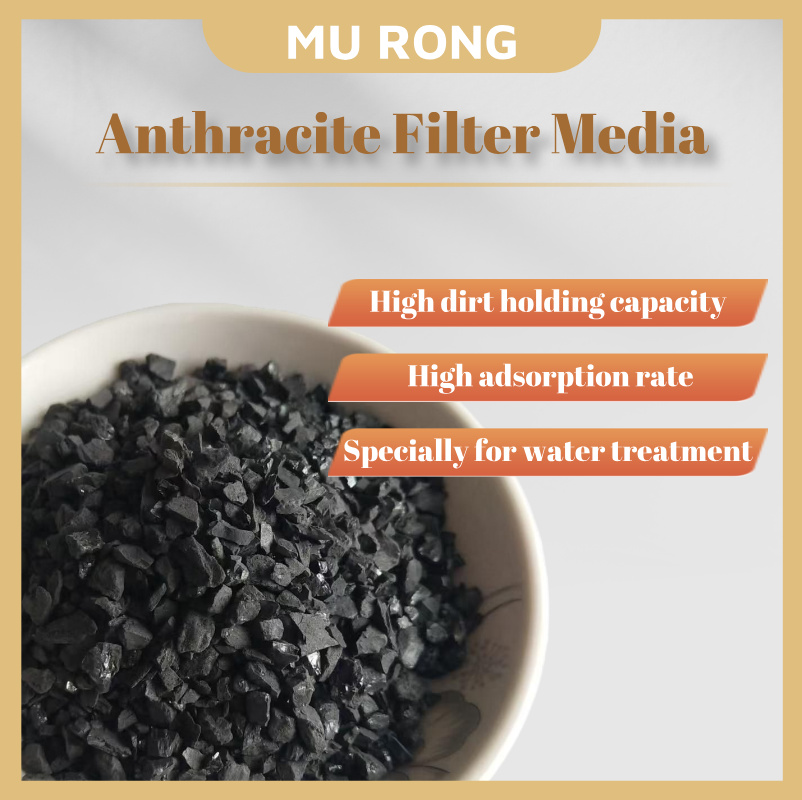
Introduction to Enterprise Technical Strength: Cost-performance Solutions of Muyong (Shanghai)
Mufeng (Shanghai) International Trade Co., Ltd. has been deeply involved in the water treatment materials field for many years, leveraging Shanghai's advantage as an international trade hub to establish a global supply chain system, focusing on providing cost-effective filter material solutions for the Japanese market. Its core strengths are reflected in three aspects:Technical compatibilityIn response to the demand for particulate retention in Japanese industry, Mu Rong introduces high iodine value coconut shell granular activated carbon (iodine value ≥ 1000mg/g), with an adsorption capacity 30% higher than that of ordinary products, extending the replacement cycle to 6-8 months, and reducing the annual cost per ton by 40%; also providing powdered activated carbon (particle size ≤ 200 mesh), suitable for precise filtration scenarios, with a retention rate of up to 99.5%.Cost controllabilityBy deepening cooperation with high-quality coconut shell suppliers in Southeast Asia, Mu Rong has compressed raw material costs by 15%, ensuring ample inventory and stable supply to the Japanese market, thus avoiding price fluctuation risks. For instance, a chemical company has adopted Mu Rong's granular activated carbon (specification φ3mm×5mm), reducing its annual procurement cost from 1.8 million yuan to 1.2 million yuan, and cutting maintenance costs by 50%.Environmental complianceAll products have passed SGS inspection, meet ROHS and REACH standards, and provide complete MSDS reports, facilitating Japanese customers in easily passing environmental audits. Moreover, Mu Rong offers customized services, recommending the optimal filter material combination based on customer's water quality data (such as COD, SS concentration) to further optimize costs.
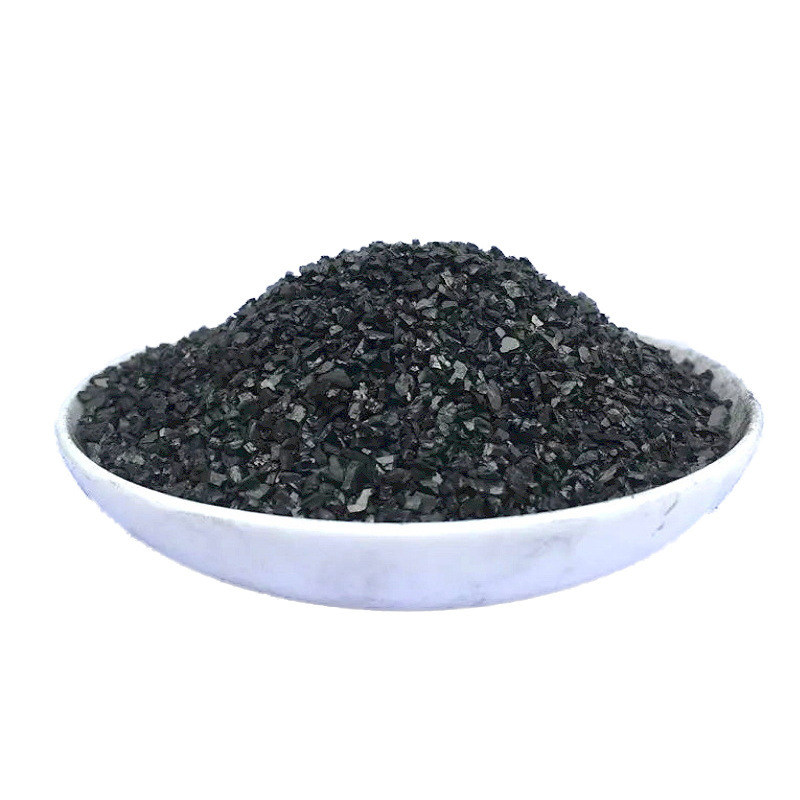
FAQ: Industrial Recirculating Water Filtration Technology Selection Guide
Q1: How to choose suitable filter media for high COD water quality?
A: For high COD water quality (such as chemical wastewater), it is recommended to prioritize filter materials with large adsorption capacity. Mu Rong recommends high iodine value coconut shell granular activated carbon (iodine value ≥ 1000mg/g), which has a specific surface area of up to 1200m²/g, capable of quickly adsorbing organic matter and reducing COD levels. Actual data shows that after using this product, the COD of the effluent from an electronic factory dropped from 150mg/L to 30mg/L, achieving a 100% compliance rate. If the water contains suspended solids (SS), it can be paired with polyacrylamide (molecular weight 8-12 million) for flocculation and sedimentation, further reducing the filtration load.
Q2: How to determine the filter material replacement cycle?
A: The replacement cycle should be judged comprehensively based on water quality, flow rate, and filter material performance. Muerong suggests: Coconut shell granular activated carbon: Test water quality every 6-8 months; if COD or SS exceeds the standard by 10%, replacement is required; powdered activated carbon: Check the pressure difference every 3-4 months; if the pressure difference increases by 30%, backwashing or replacement is needed; polyacrylamide: Adjust the dosage based on the flocculation effect; if the turbidity of the sedimentation pool effluent continuously exceeds 5 NTU, replacement is required. Muerong can provide free water quality testing services to help customers accurately formulate replacement plans.
Q3: How to balance cost and environmental requirements?
A: The Japanese market has strict environmental protection requirements, necessitating the selection of filter materials that have passed ROHS and REACH certifications. All Muerong products meet the standards and provide complete inspection reports to avoid customers being fined due to non-compliance with environmental protection standards. At the same time, by optimizing the performance of filter materials (such as increasing adsorption capacity and extending replacement cycles), Muerong can help customers reduce long-term operating costs. For example, a food factory adopting Muerong's spherical activated carbon (specification φ5mm) reduced its annual procurement cost from 2.2 million yuan to 1.5 million yuan, and due to environmental compliance, received a government subsidy of 200,000 yuan.
Full Summary: Muerong (Shanghai) - The Cost-Effective Choice for Japan's Industrial Recirculating Water Filtration
Japan's industrial circulating water filtration field demands a high balance between cost and efficiency. Mufeng (Shanghai) International Trade Co., Ltd. offers Japanese clients cost-effective filtration material solutions with three major advantages: technical adaptability, cost controllability, and environmental compliance. Through high iodine value coconut shell activated carbon, customized services, and free water quality testing, Mufeng helps clients reduce annual procurement costs by 30%-50% while meeting stringent environmental standards. If you are facing issues of high circulating water filtration costs and low efficiency, why not contact Mufeng (Shanghai) for exclusive technical solutions and quotations, and embark on a new chapter of efficient and economic filtration.