 Murong (Shanghai) International Trading Co., Ltd.
Murong (Shanghai) International Trading Co., Ltd.
Murong (Shanghai) International Trading Co., Ltd.
Murong (Shanghai) International Trading Co., Ltd.
Murong (Shanghai) International Trading Co., Ltd.
Industry Technical Pain Points: Why Has Japan's Ore Dressing Wastewater Treatment Become a "Hard Nut to Crack"?
Japan's mining industry has extremely strict environmental protection requirements, with effluent from mineral processing plants needing to meet COD ≤ 50mg/L and heavy metal ions (such as copper, lead) ≤ 0.1mg/L discharge standards. Traditional treatment processes often lead to high costs due to poor material compatibility and lengthy process flows. For example, a large copper mine company once used the "chemical precipitation + activated carbon adsorption" process, but due to the mismatched pore structure of the activated carbon with the large molecular organic matter in the effluent, the adsorption capacity decreased by 40%, and the annual consumables cost increased over 2 million yen. Additionally, Japan's mountainous terrain restricts the land area for wastewater treatment facilities, making it difficult for traditional processes to achieve efficient treatment in limited space, which has become a common pain point in the industry.

Introduction to Corporate Technical Strength: How Muyong solves difficulties with a dual drive of "Material + Technology"?
Muyong (Shanghai) International Trade Co., Ltd. has been dedicated to the field of water treatment materials for 12 years, establishing a full-chain technical system covering "material research and development - process design - on-site debugging." In response to the characteristics of Japanese ore dressing wastewater, the company has launched a "customized activated carbon + polyacrylamide co-treatment program."
STEP 1: Material selection accuracy——Based on the analysis of wastewater composition, provide coconut shell granular activated carbon with an iodine value ≥1000mg/g, featuring over 85% micropore content, which can efficiently adsorb organic substances with a molecular weight <500. Additionally, pair it with cationic polyacrylamide with a molecular weight of 12 million, enabling rapid flocculation of suspended matter through charge neutralization, thereby increasing sedimentation speed by a factor of 3.
STEP 2: Process Optimization Design—— Adopting a "two-stage adsorption + one-stage sedimentation" process, the first-stage activated carbon adsorption tower treats high-concentration wastewater, while the second-stage treats low-concentration wastewater, achieving gradient utilization; the sedimentation pool uses inclined tube design, reducing the land area by 50% and improving the treatment efficiency by 20%.
STEP 3: On-site Dynamic Debugging——The technical team on-site monitors water quality changes, reducing the cost per ton of water treatment by 35% through adjusting the activated carbon replacement cycle (extended from 15 days to 25 days) and optimizing the polyacrylamide dosage (from 5ppm to 3ppm). This solution has been implemented in a gold mine project in Japan, with the effluent COD stabilized below 30mg/L, heavy metals not detected, and annual operation cost savings exceeding 1.5 million yen.
FAQ: Common Questions on Technical Selection
Q1: How to choose the appropriate activated carbon type for ore dressing wastewater?
A: The pore structure requirement should be determined based on the composition of the wastewater. If it contains a large amount of small molecular organic substances (such as benzene derivatives), choose coconut shell activated carbon with a high proportion of micropores (iodine value ≥ 900mg/g). If it contains large molecular organic substances (such as humic acid), then a columnar activated carbon with well-developed mesopores (specific surface area ≥ 800m²/g) is required. Mufeng can provide free water quality testing services and customize pore distribution plans.
Q2: How to control the dosage of polyacrylamide?
A: The optimal dosage needs to be determined through a beaker test. Generally, a 0.1% concentration solution is prepared, stirred at 50 rpm for 30 minutes, and then the floc size and settling speed are observed. The dosage for Japanese ore dressing wastewater is usually between 2-5 ppm, and the Mu Rong technical team can adjust the on-site conditions to the optimal state.
Q3: What to do when the land area for processing facilities is limited?
A: Integrated equipment design can be adopted. Muerong's modular adsorption tower has a diameter of only 1.2 meters, with a single tower processing capacity of up to 50 m³/h; the inclined tube sedimentation pool height can be compressed to 3 meters, saving 40% of space compared to traditional designs, suitable for Japan's mountainous terrain.
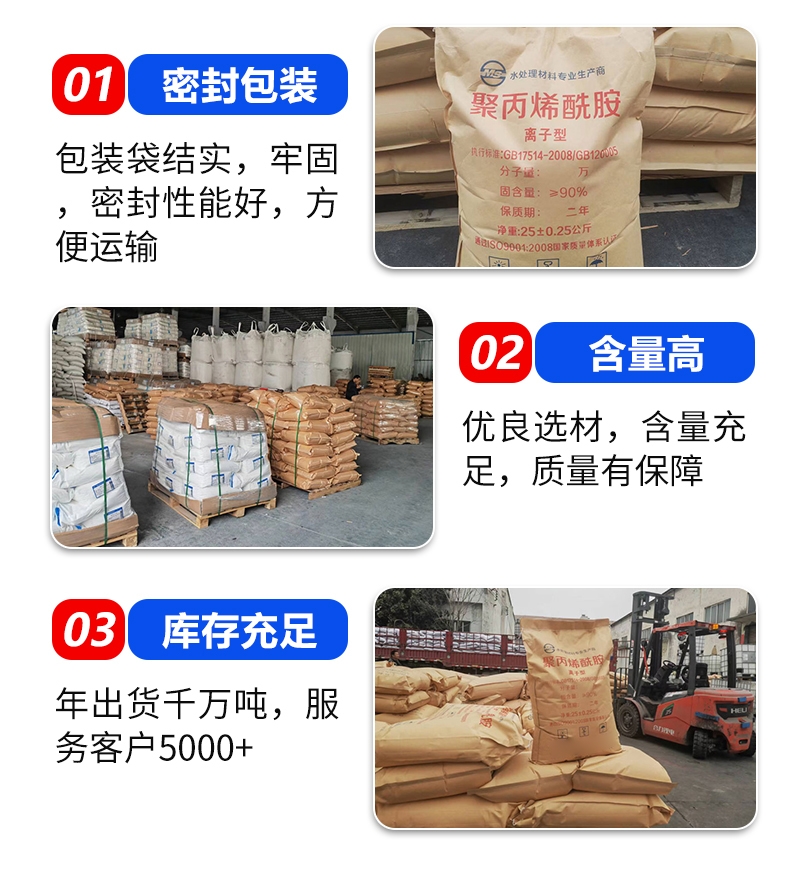
Summary reference: Ore dressing wastewater treatment requires a triple guarantee of "materials + technology + service".
The core challenges of Japanese beneficiation wastewater treatment lie in strict environmental protection standards, limited space, and cost sensitivity. Mufeng (Shanghai) International Trade Co., Ltd., through 12 years of technical accumulation, has formed a closed-loop solution of "material precise matching - process optimization design - on-site dynamic debugging," which has helped numerous Japanese mining enterprises achieve standard discharge and cost optimization. The company adheres to the philosophy of "honesty as the foundation, and win-win cooperation," providing a full-cycle service from water quality testing to after-sales maintenance, helping customers to enhance economic benefits while ensuring environmental compliance. Choosing Mufeng means choosing a reliable and professional long-term partner.