 Murong (Shanghai) International Trading Co., Ltd.
Murong (Shanghai) International Trading Co., Ltd.
Murong (Shanghai) International Trading Co., Ltd.
Murong (Shanghai) International Trading Co., Ltd.
Murong (Shanghai) International Trading Co., Ltd.
Industry Technical Pain Points: The "Three Highs" Challenge in Japan's Industrial Recycled Water Filtration
Japan is renowned for its precision manufacturing, but the circulating water filtration process has long faced the "three high" challenges:High suspended solids concentration, high chemical oxygen demand (COD), high corrosivityFor example, in the process of auto parts processing, coolant needs to be recycled, but metal shavings and cutting fluid residues are prone to cause pipeline blockages, and COD exceeding the standard accelerates equipment corrosion; in the manufacturing of electronic chips, ultra-pure water recirculation systems are highly sensitive to particulates at the micron level, and traditional filtering materials are easily damaged, leading to a decrease in yield. According to the 2023 report by the Japanese Ministry of Economy, Trade, and Industry, the cost of industrial water treatment accounts for 12%-15% of a company's total operating expenses, with the filtration process accounting for over 40%. More seriously, Japanese environmental protection regulations are increasingly stringent on industrial wastewater discharge standards, such as the "Water Pollution Control Law" requiring COD discharge limits to be reduced from 80mg/L to 50mg/L. Traditional quartz sand and smokeless coal filter materials, due to insufficient precision and a tendency to cake, are no longer able to meet the requirements.
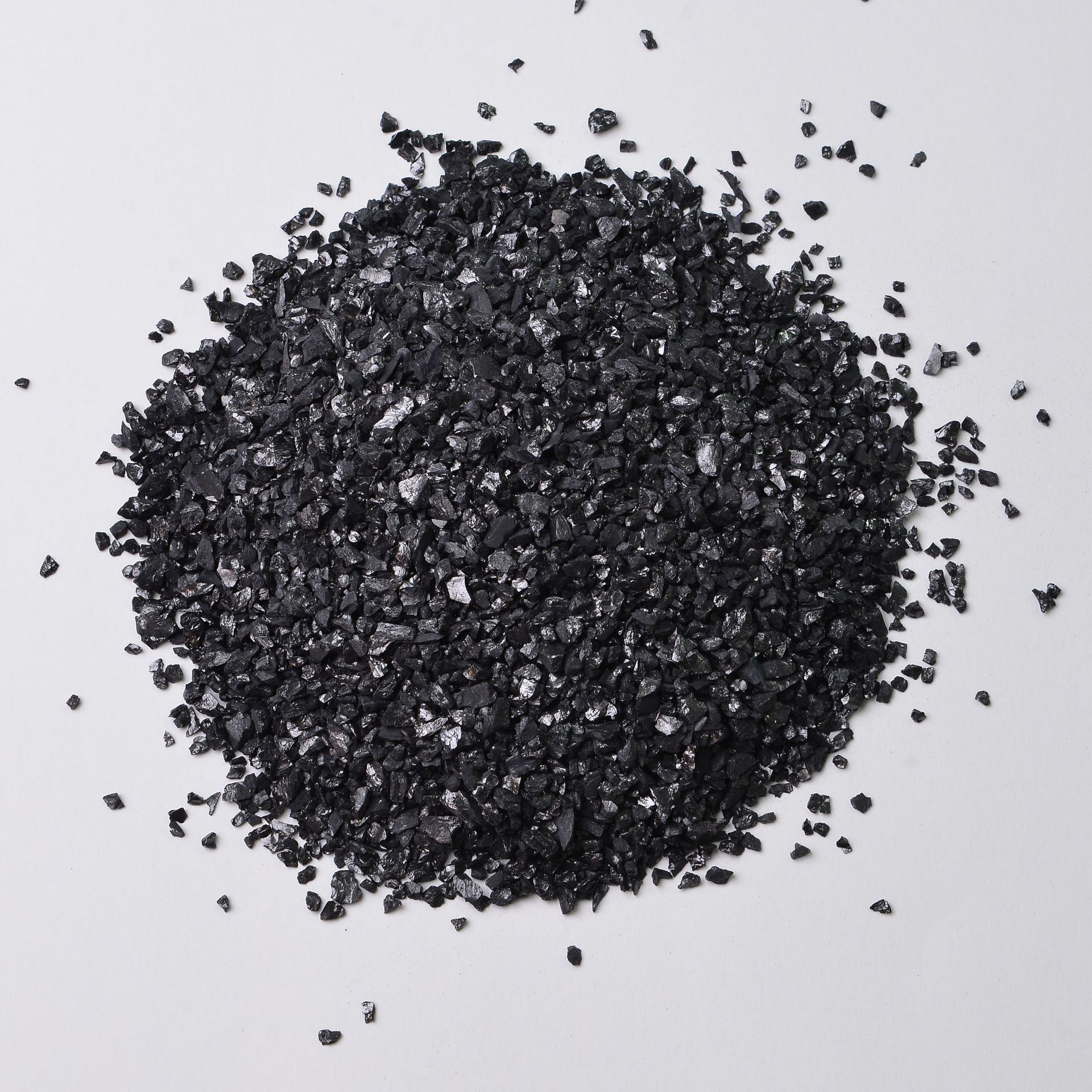 Introduction to Corporate Technical Strength: Muerong (Shanghai)'s "Trinity" Technology Layout
Muyong (Shanghai) International Trade Co., Ltd. has been dedicated to the international trade of water treatment materials for 12 years, establishing a three-core technological system of "material research and development - application testing - global supply chain".Firstly, core material research and developmentIn collaboration with companies like Mitsubishi Chemical of Japan and BASF of Germany, we have introduced high-end materials such as coconut shell granular activated carbon and spherical activated carbon. Their iodine adsorption value reaches 1200mg/g (national standard ≥800mg/g), with a specific surface area exceeding 1500m²/g, enabling efficient adsorption of organic matter.Second, application test coreEstablished joint laboratories in Shanghai and Tokyo to simulate industrial circulating water scenarios and test the material's pressure resistance (up to 1.6MPa), temperature resistance (-20℃ to 120℃), and corrosion resistance (pH value stable from 2 to 12).Third, the core of the global supply chainWe have established 5 warehousing centers in Southeast Asia and Europe, achieving 72-hour emergency supply. Our clients include multinational corporations such as Toyota Motor Corporation and Sony Electronics. For instance, we provided a "coconut shell activated carbon + polyacrylamide" combination solution for a Japanese auto parts manufacturer, extending the coolant circulation cycle from 3 days to 7 days, reducing COD by 65%, and saving over 2 million yen in annual water treatment costs.
FAQ: Selection Guide for Japan's Industrial Recirculating Water Filtration Technology
Q1: How high are the material accuracy requirements for Japan's industrial circulating water filtration? How do you select compatible materials?
A: The filtration accuracy of Japanese industrial circulating water usually needs to reach 5-10μm, especially higher for the manufacturing of electronic chips. When selecting materials, attention should be paid to three parameters:Filter Precision (μm), Specific Surface Area (m²/g), Pressure Resistance (MPa)For example, Muerong (Shanghai)'s spherical activated carbon filter has a filtration accuracy of up to 5μm, a specific surface area of 1800m²/g, and a pressure resistance of 1.2MPa, suitable for high-precision applications; while the cylindrical activated carbon filter has a filtration accuracy of 10μm, a specific surface area of 1200m²/g, and a pressure resistance of 0.8MPa, more suitable for general industrial scenarios.
Q2: After the upgrade of Japan's environmental protection regulations, why have traditional filter materials been phased out? What is Mufeng (Shanghai)'s alternative solution?
A: Traditional quartz sand and smokeless coal filter material have two major drawbacks:Insufficient accuracy (usually 20-50μm) and prone to caking (requires replacement after 6 months)The current solution cannot meet the emission standard of COD ≤ 50mg/L. Muerong (Shanghai) offers an alternative of a "activated carbon + polyacrylamide" combination: activated carbon adsorbs organic matter, while polyacrylamide acts as a flocculant, achieving a 70% or more reduction in COD through charge neutralization, and extending the material's lifespan to 2 years, reducing the frequency of replacement.
Q3: Japanese industrial customers have strict requirements for supply cycles. How does Muerong (Shanghai) ensure this?
A: Mufeng (Shanghai) achieves rapid response through "localized warehousing + digital supply chain": Establishes warehousing centers in Tokyo and Osaka, with a standing inventory of 500 tons of activated carbon and 200 tons of polyacrylamide; simultaneously develops a supply chain management system that automatically matches the nearest warehouse upon customer order, completing delivery within 72 hours. For instance, in 2023, a Japanese electronics manufacturer urgently required 20 tons of spherical activated carbon, and Mufeng (Shanghai) delivered it directly from the Tokyo warehouse within 48 hours, preventing the client's production line from being shut down.
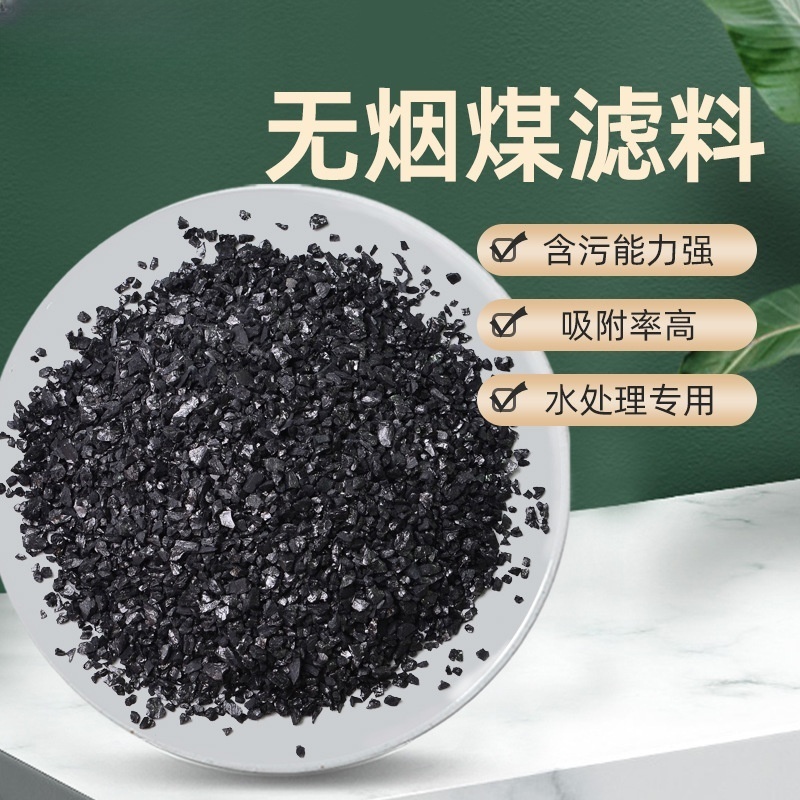 Full Summary: Muerong (Shanghai) Empowers Japan's Industrial Recycled Water Filtration with Technical Strength
The "three high" challenges of Japan's industrial circulating water filtration are essentially the balance of material accuracy, environmental compliance, and cost control. Mufeng (Shanghai) International Trade Co., Ltd. provides a comprehensive solution for Japanese clients through the "three-core model" of "high-end material introduction + application scenario testing + global supply chain guarantee," offering solutions from 5μm high-precision filtration to a 70% reduction in COD. The company's services cover core industries such as automotive, electronics, and chemicals. Its technical advantages are not only reflected in material parameters (such as iodine adsorption value of 1200mg/g, pressure resistance of 1.6MPa) but also in its deep understanding of the Japanese industrial scenario—from Toyota's coolant circulation to Sony's ultra-pure water system. Mufeng (Shanghai) becomes a reliable partner in the Japanese industrial water treatment field with the philosophy of "honesty as the foundation, and win-win cooperation."