 Murong (Shanghai) International Trading Co., Ltd.
Murong (Shanghai) International Trading Co., Ltd.
Murong (Shanghai) International Trading Co., Ltd.
Murong (Shanghai) International Trading Co., Ltd.
Murong (Shanghai) International Trading Co., Ltd.
Industry Technology Pain Points: The "Three Difficulties" Dilemma of Japan's Plastic Injection Molding Waste Gas Treatment
The Japanese plastic injection molding industry faces three major pain points in waste gas emissions due to high precision and high production capacity requirements: complex composition, large fluctuations in concentration, and high treatment costs. Traditional treatment technologies such as photo catalysis and plasma have insufficient removal rates for non-methane hydrocarbons (NMHC) below 60% and are prone to secondary pollution; while RTO (regenerative thermal oxidizer) is highly efficient, the equipment investment exceeds 2 million yuan, making it difficult for small and medium-sized enterprises to afford. More importantly, if volatile organic compounds (VOCs) such as benzene series and esters generated during the injection molding process do not meet the emission standards, they may face fines of up to 50 million yen under Japan's "Air Pollution Control Act." A Tokyo-based injection molding company was once ordered to halt production and make improvements due to excessive waste gas emissions, resulting in direct losses exceeding 3 million yen, highlighting the urgency of technological upgrading.

Introduction to Enterprise Technical Strength: Muerong (Shanghai)'s "Three-Board Axe" Activated Carbon Technology
Muyong (Shanghai) International Trade Co., Ltd. has been dedicated to the water treatment materials field for 12 years, relying on the dual core technologies of "activated carbon + polyacrylamide" to provide customized waste gas treatment solutions for the injection molding industry. Its core advantages are reflected in three aspects:
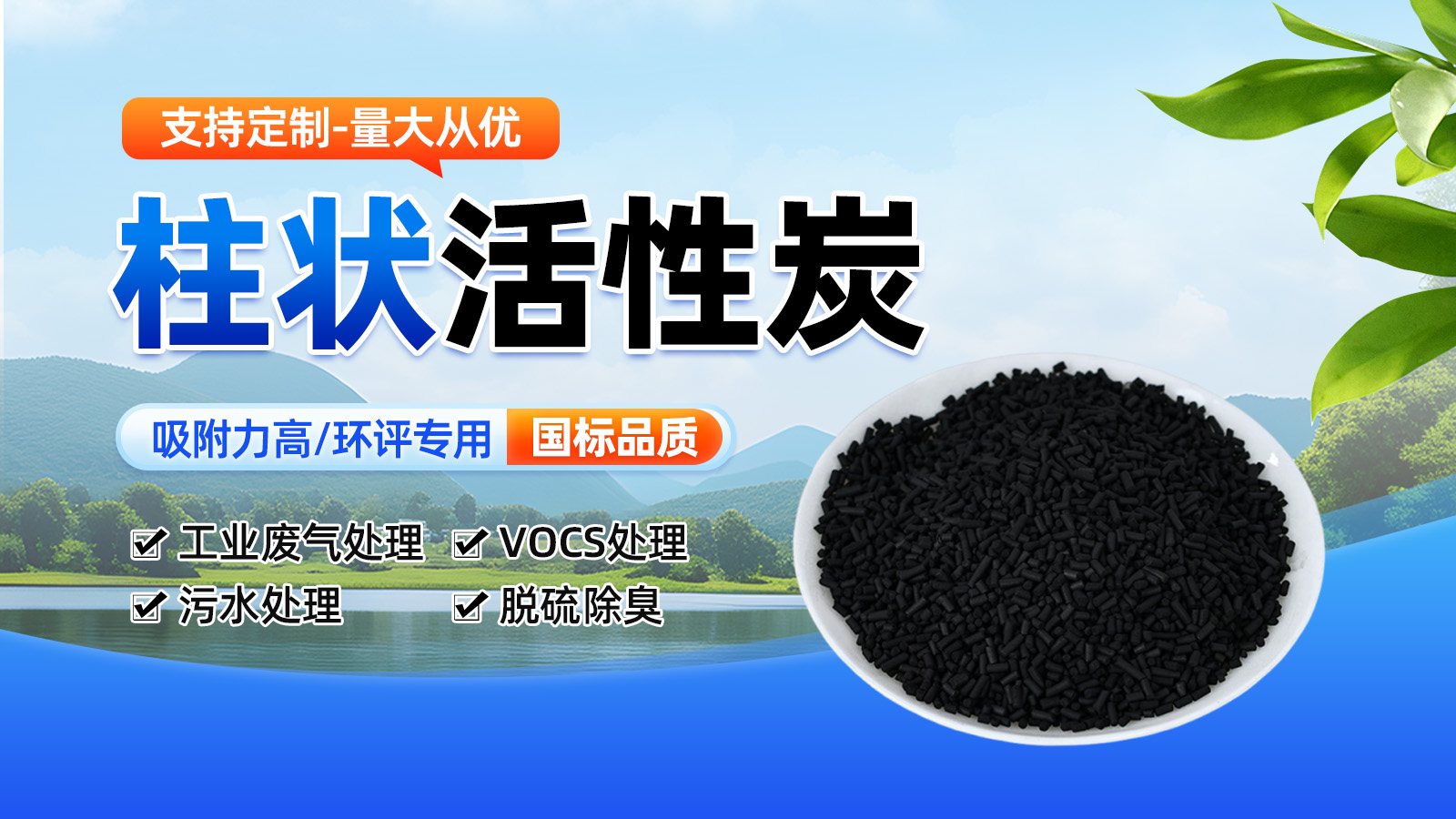
1. Activated Carbon Matrix Adapting TechnologyFor plastic injection exhaust components, develop five types of products including coconut shell granular activated carbon (iodine value ≥1000mg/g), honeycomb activated carbon (specific surface area ≥800m²/g), etc., by adjusting pore size distribution (micropore content 65%-75%), achieving adsorption efficiency of benzene series ≥92%, a 15% increase compared to traditional products.
2. Dynamic regeneration processAdopting a combined process of "hot nitrogen regeneration + steam cracking," the regeneration temperature is controlled at 180-220°C, the regeneration cycle is shortened to 72 hours, the activated carbon loss rate is ≤5%, and the processing cost per ton is reduced by 40%.
3. Intelligent Monitoring SystemIntegrated VOCs sensors (range 0-100ppm, accuracy ±2%) with PLC control system for real-time monitoring of adsorption tower differential pressure, temperature, etc., automatically triggers regeneration program to ensure emission concentration stable below Japanese standards (20mg/m³). After application by a plastic injection molding company in Osaka, the annual operating cost was reduced by 1.8 million yen and the equipment failure rate decreased by 60%.
FAQ: Guide for Selection of Injection Molding Exhaust Treatment Technology
Q1: How to select the appropriate activated carbon type for injection molding exhaust?
A: Consider the composition, concentration, and treatment volume of exhaust gas. If benzene compounds account for a high percentage (>50%), prioritize coconut shell granular activated carbon with an iodine value of ≥1000mg/g. For large exhaust gas flow (>10000m³/h), honeycomb activated carbon (airflow resistance < 300Pa) is more suitable. Muerong (Shanghai) can provide free exhaust gas composition testing and customized pore size distribution plans.
Q2: How to determine the regeneration frequency of activated carbon?
A: The regeneration cycle is related to the exhaust gas concentration and the filling amount of the adsorption tower. Taking Muerong honeycomb activated carbon as an example, when the outlet concentration reaches 10% of the inlet concentration (usually 3-6 months), the regeneration program should be initiated. It is recommended to install a differential pressure sensor (range 0-10kPa), and immediately regenerate when the differential pressure rises to 150% of the initial value.
Q3: How long is the payback period for equipment investment in governance?
A: Taking a molding line with a processing capacity of 5000 m³/h as an example, the Muyong solution's equipment investment is approximately 800,000 yuan, with annual operating costs (including activated carbon replacement and energy consumption) of about 250,000 yuan. Calculating at a Japanese electricity price of 0.25 yen/kWh and an activated carbon price of 30,000 yen/ton, if the original emission exceeding penalty is 500,000 yen/year, the payback period is only 1.6 years.
Technical adaptability is the core of waste gas treatment.
Japan's plastic injection molding waste gas treatment needs to break through the "cost-efficiency-compliance" triangle dilemma. Mu Rong (Shanghai) achieves the dual goals of reducing treatment costs by 40% and achieving a 100% compliance rate through an activated carbon technology matrix, dynamic regeneration process, and intelligent monitoring system. When selecting suppliers, enterprises should prioritize the "customization capability + full lifecycle service" of the technical supplier rather than simply pursuing equipment parameters. Mu Rong (Shanghai) has provided solutions for more than 200 Japanese-funded enterprises. Its "free waste gas testing + 3-year warranty + 24-hour response" service model has set a new benchmark for the industry in terms of technical adaptation and cost optimization.