 Murong (Shanghai) International Trading Co., Ltd.
Murong (Shanghai) International Trading Co., Ltd.
Murong (Shanghai) International Trading Co., Ltd.
Murong (Shanghai) International Trading Co., Ltd.
Murong (Shanghai) International Trading Co., Ltd.
Industry Technical Pain Points: Top Three Core Challenges in the Application of Honeycomb Activated Carbon
Honeycomb activated carbon, as a key adsorption material for VOCs (volatile organic compounds) treatment and waste gas disposal, directly affects the operating efficiency and cost of environmental protection equipment. The industry currently faces three major pain points: first, the balance problem between adsorption efficiency and service life - traditional honeycomb activated carbon, due to its single pore structure, tends to become saturated when treating high-concentration and complex composition waste gases, requiring frequent replacement and resulting in a significant increase in maintenance costs; second, the limitations of the regeneration process - thermal regeneration methods are prone to destroy the pore structure of activated carbon, reducing its adsorption performance, while chemical regeneration methods may introduce secondary pollution; third, the lag in responding to customized needs - waste gas compositions vary significantly across different industries (such as benzene compounds in the chemical industry, and esters in the coating industry), and standard products are difficult to meet personalized adsorption requirements. Taking a chemical enterprise as an example, its use of ordinary honeycomb activated carbon to treat toluene-containing waste gases resulted in a 40% decrease in adsorption efficiency within three months, with annual replacement costs exceeding 2 million yuan, highlighting the urgency of technological upgrading.

Introduction to Enterprise Technical Strength: Honeycomb Activated Carbon Technology Layout and Product Advantages of Muyong (Shanghai)
Mufeng (Shanghai) International Trade Co., Ltd. has been deeply engaged in the field of water treatment materials for many years, relying on Shanghai's international technical resources and its own R&D team to build a technical system covering the full lifecycle of honeycomb activated carbon. At the raw material stage, the company selects high iodine value coconut shell carbon as the base material, forming a multi-level pore structure of micro-pores, mesopores, and macropores through a composite process of physical activation and chemical modification, achieving a specific surface area of 1200-1500 m²/g, a 30% increase compared to traditional products, significantly enhancing the adsorption capacity for VOCs molecules; in the manufacturing stage, automated extrusion molding technology is used to control the uniformity of pore size ≤5%, ensuring uniform airflow distribution and reducing pressure drop (measured data: initial pressure drop ≤800Pa, pressure drop increases ≤15% after 6 months of operation); in the regeneration stage, the company collaborates with universities to develop low-temperature catalytic regeneration technology, decomposing adsorbed organic matter at 200-300℃ with specific catalysts, with the recovery rate of activated carbon adsorption efficiency after regeneration ≥90% and no secondary pollution. Taking a car coating plant project as an example, Mufeng's customized honeycomb activated carbon (pore size 2mm, thickness 200mm) achieves an adsorption efficiency of 92% when treating ethyl acetate waste gas, extending the service life to 18 months and reducing the annual maintenance cost by 65%.
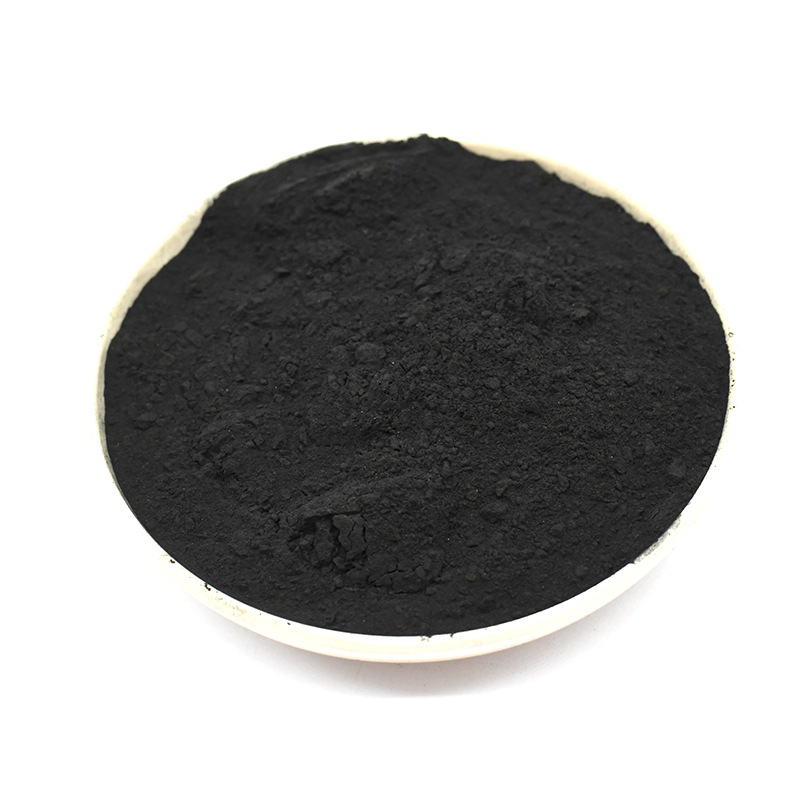
FAQ: Guide to Selection of Honeycomb Activated Carbon Technology
Q1: How to select the pore size and thickness of honeycomb activated carbon based on the composition of waste gas?
A: The aperture selection should match the diameter of VOCs molecules in the exhaust gas——molecular diameter < 0.5nm selects micropores (aperture 0.5-1nm), 0.5-2nm selects mesopores (aperture 1-4nm), and >2nm selects macropores (aperture >4nm). The thickness should balance adsorption efficiency and pressure drop: for high concentration exhaust gas, thickness ≥200mm is recommended (e.g., in the chemical industry), while for low concentration exhaust gas, options of 100-150mm can be considered (e.g., in the printing industry). Muerong can provide customized products with apertures of 0.5-5mm and thicknesses of 50-300mm.
Q2: How to determine the regeneration cycle of honeycomb activated carbon?
A: The regeneration cycle depends on the exhaust gas concentration, treatment air volume, and activated carbon performance. It is recommended to trigger regeneration through pressure drop monitoring (when the pressure drop reaches 1.5 times the initial value) or outlet concentration monitoring (when the outlet VOCs concentration approaches the emission standard). The MuRong low-temperature catalytic regeneration technology can achieve rapid regeneration within 24 hours, improving efficiency by 50% compared to traditional thermal regeneration methods.
Q3: How to select the type of activated carbon between honeycomb and granular activated carbon in waste gas treatment?
A: Honeycomb activated carbon is suitable for high airflow, low concentration waste gas (such as paint booths, printing workshops), with its regular structure reducing pressure drop and reducing fan energy consumption; granular activated carbon is suitable for low airflow, high concentration waste gas (such as laboratories, storage tank breathing valves), with its irregular particles increasing contact area. Muerong can provide a collaborative application scheme for both product forms.
Full Text Summary: Upgraded蜂窝活性炭Applications Driven by Technology
The technical upgrade of honeycomb activated carbon should focus on three core aspects: adsorption efficiency, service life, and regeneration process. Muerong (Shanghai) International Trade Co., Ltd. has established a comprehensive technological advantage covering raw materials, production, and regeneration through multi-level pore structure design, automated manufacturing processes, and low-temperature catalytic regeneration technology. Its products have been widely applied in industries such as chemicals, coating, and printing. For enterprises, when selecting suppliers, it is necessary to consider the composition of waste gas, treatment scale, and cost budget, and prioritize those that can provide customized services and technical support. In the future, with the increasingly stringent environmental protection standards, honeycomb activated carbon will continuously evolve towards high specific surface area, long service life, and low energy consumption, and technical strength will become the key to enterprise competition.