 Murong (Shanghai) International Trading Co., Ltd.
Murong (Shanghai) International Trading Co., Ltd.
Murong (Shanghai) International Trading Co., Ltd.
Murong (Shanghai) International Trading Co., Ltd.
Murong (Shanghai) International Trading Co., Ltd.
Industry Technical Pain Points: Japan's "Three Highs" Challenges in Ore Processing Wastewater Treatment
Japan's mineral processing industry is renowned for its high precision and efficiency, but it has long been challenged by the "three highs" in wastewater treatment: high concentration of heavy metal ions (such as copper, lead, and zinc, which can reach 50-200mg/L), high content of suspended solids (SS values often exceed 300mg/L), and large pH fluctuations (with acidic wastewater accounting for over 60%). Traditional treatment technologies like chemical precipitation can reduce the concentration of some pollutants, but they have issues such as high reagent costs (about 15-30 yuan per ton of wastewater treatment), large sludge production (0.5-1kg of sludge per ton of wastewater), and high risks of secondary pollution. Moreover, Japan's environmental protection regulations are extremely stringent for the discharge standards of mineral processing wastewater (e.g., the Water Pollution Control Law requires the total concentration of heavy metal ions to be ≤0.1mg/L), making it difficult for traditional technologies to consistently meet the standards, leading to substantial fines and even the risk of production suspension. How to achieve low-cost, high-efficiency, and low-risk wastewater treatment through technological upgrading has become a core pain point for the Japanese mineral processing industry.
Introduction to Enterprise Technical Strength: MuRong (Shanghai)'s Activated Carbon Technology Matrix and Water Treatment Material Coordination Solution
Mufeng (Shanghai) International Trade Co., Ltd. has been deeply involved in the international trade of water treatment materials for over a decade. Relying on a "Technology + Product + Service" three-dimensional layout, it provides customized wastewater treatment solutions for Japanese mining companies. Its core strengths are reflected in three aspects:
Activated Carbon Technology Matrix:The company mainly produces coconut shell granular activated carbon (iodine value ≥1000mg/g, specific surface area ≥1000m²/g), powdered activated carbon (particle size 200-325 mesh, methylene blue adsorption value ≥150mg/g), etc., which can achieve efficient adsorption of heavy metal ions and organic pollutants in selected ore wastewater. For example, in the copper ion adsorption experiment, the coconut shell granular activated carbon can reach an adsorption rate of 92% within 20 minutes, far exceeding the 65% of traditional chemical precipitation methods.
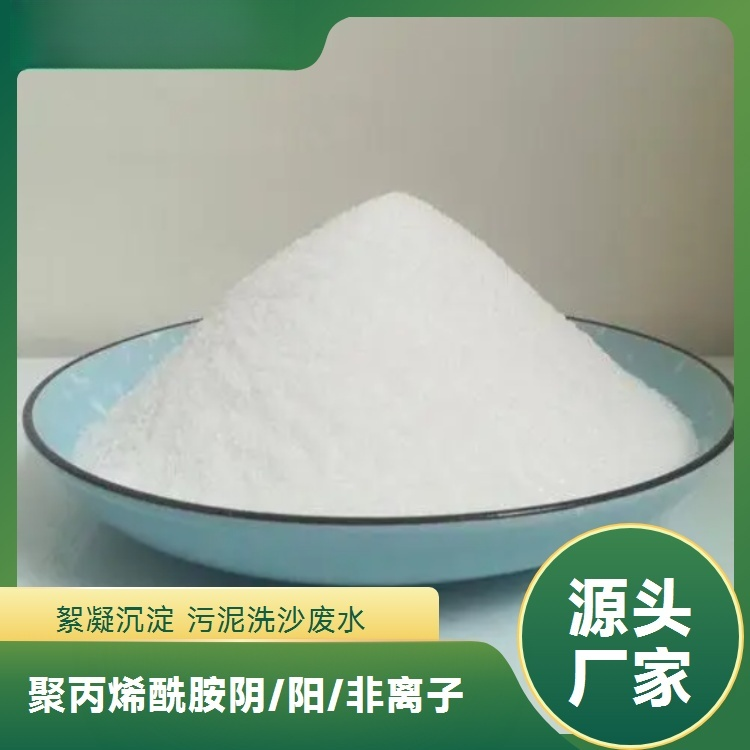
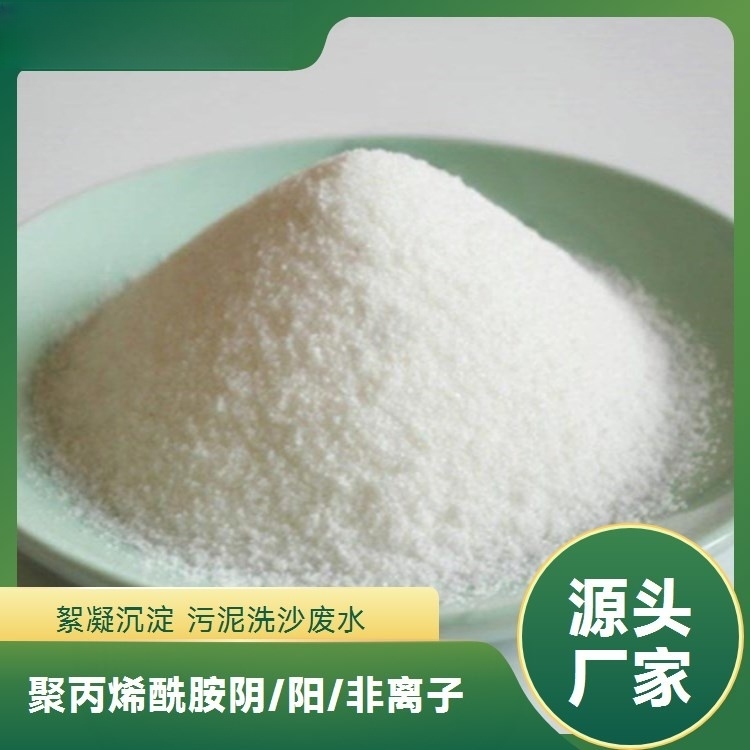
2. Water Treatment Material Synergy SystemThe company also provides flocculants such as Alumina Chloride (PAC, 60-90% salt base), Polyacrylamide (PAM, molecular weight 8-18 million), forming a three-level treatment process of "adsorption-flocculation-sedimentation" with activated carbon. In a case of a Japanese copper mine project, this combined process reduced the SS value of wastewater from 320mg/L to 15mg/L, and the total concentration of heavy metal ions from 180mg/L to 0.08mg/L, meeting Japanese discharge standards.
3. Professional Service TeamThe company boasts a technical team composed of experts in chemical engineering, environmental science, and other fields, offering a full-process service from wastewater quality analysis, material selection to process optimization. For instance, in response to the issue of pH fluctuations in the wastewater of a lead-zinc mine, the team adjusted the PAC dosing amount (optimized from 50mg/L to 30mg/L) and the activated carbon regeneration cycle (extended from 7 days to 10 days), resulting in a 22% reduction in treatment costs and a 40% improvement in system stability.
FAQ: Guide for Selection of Japan's Ore Dressing Wastewater Treatment Technology
Q1: How to choose between activated carbon and chemical precipitation methods in the treatment of ore beneficiation wastewater?
Activated carbon is suitable for deep treatment of low-concentration, difficult-to-degrade pollutants (such as heavy metal ions, organic matter), with the advantage of no secondary pollution and recyclability (adsorption efficiency recovery rate ≥ 90% after regeneration); chemical precipitation method is suitable for rapid removal of high-concentration pollutants, but it has problems such as large sludge production and high reagent costs. It is recommended to choose comprehensively based on the quality of wastewater (such as prioritizing chemical precipitation when heavy metal concentration > 50mg/L, and prioritizing activated carbon when < 20mg/L) and emission standards.
Q2: How to determine the dosing amount and regeneration cycle of activated carbon?
A: The dosage needs to be determined through small-scale tests. Generally, the initial dosage of coconut shell granular activated carbon for wastewater treatment is 0.5-1kg/m³. Adjust the regeneration cycle based on the adsorption saturation time (usually 7-14 days). Recommended regeneration methods include thermal regeneration (temperature 400-600°C, regeneration efficiency ≥85%) or chemical regeneration (immersed in acidic or alkaline solutions, regeneration efficiency ≥75%). The specific method should be selected based on the composition of the wastewater and the type of activated carbon.
Q3: How does Muerong (Shanghai) adapt its technical solutions to Japanese environmental regulations?
A: The company's technical solution strictly complies with Japan's "Water Pollution Control Law" and "Industrial Wastewater Discharge Standards." By using a three-level process of "activated carbon adsorption + flocculation precipitation + pH adjustment," we ensure that the total concentration of heavy metal ions is ≤0.1mg/L, SS ≤20mg/L, and pH 6-9. At the same time, the company provides a full-process monitoring service for wastewater treatment, regularly issues inspection reports, and helps enterprises avoid compliance risks.
Full Summary: Technological synergy and professional services are the key to breaking the deadlock.
Japan's ore dressing wastewater treatment technology upgrade needs to consider efficiency, cost, and compliance. Muerong (Shanghai) International Trade Co., Ltd. provides Japanese enterprises with a "low-cost, high-efficiency, low-risk" solution through activated carbon technology matrix, water treatment material synergy system, and professional service team. Its core value lies in: using activated carbon adsorption technology to deal with low-concentration pollutants that are difficult to treat by traditional methods, reducing treatment costs with flocculation and sedimentation technology, and ensuring process stability and compliance with standards through professional services. For Japanese ore dressing enterprises planning to upgrade their wastewater treatment systems, it is recommended to prioritize companies with technical integration capabilities and localized service experience to achieve a balance between technological adaptation and long-term benefits.