 Murong (Shanghai) International Trading Co., Ltd.
Murong (Shanghai) International Trading Co., Ltd.
Murong (Shanghai) International Trading Co., Ltd.
Murong (Shanghai) International Trading Co., Ltd.
Murong (Shanghai) International Trading Co., Ltd.
Industry Technical Pain Points: The "Three Difficulties" Dilemma in Plastics Injection Exhaust Gas Treatment
The Japanese plastic injection molding industry faces three major pain points due to its high precision and small batch production characteristics: complex composition of waste gas emissions (including benzene compounds, total non-methane hydrocarbons, particulates, etc.), large fluctuations in concentration (instantaneous peak values can reach 200-500 mg/m³), and spatial dispersion (multiple independent emissions from separate equipment). Traditional treatment technologies such as photo catalytic oxidation are easily affected by humidity (efficiency decreases by 40% when humidity is >60%), plasma technology may cause secondary pollution (risk of ozone concentration exceeding the standard), and the spray tower has poor treatment effects on non-water-soluble pollutants (removal rate <30%), leading to triple pressures for enterprises: difficulty in meeting environmental protection standards, high operation and maintenance costs, and large equipment footprint. A Japanese injection molding company was fined over 5 million yen due to non-compliance with waste gas treatment standards, highlighting the urgency of technological upgrading.
Introduction to Corporate Technical Strength: Muyong (Shanghai)'s "Three Major Techniques" of Activated Carbon Technology
Mufeng (Shanghai) International Trade Co., Ltd. has been deeply engaged in the field of water treatment materials for 12 years, developing a comprehensive "adsorption-regeneration-monitoring" solution tailored to the characteristics of plastic injection molding waste gas.
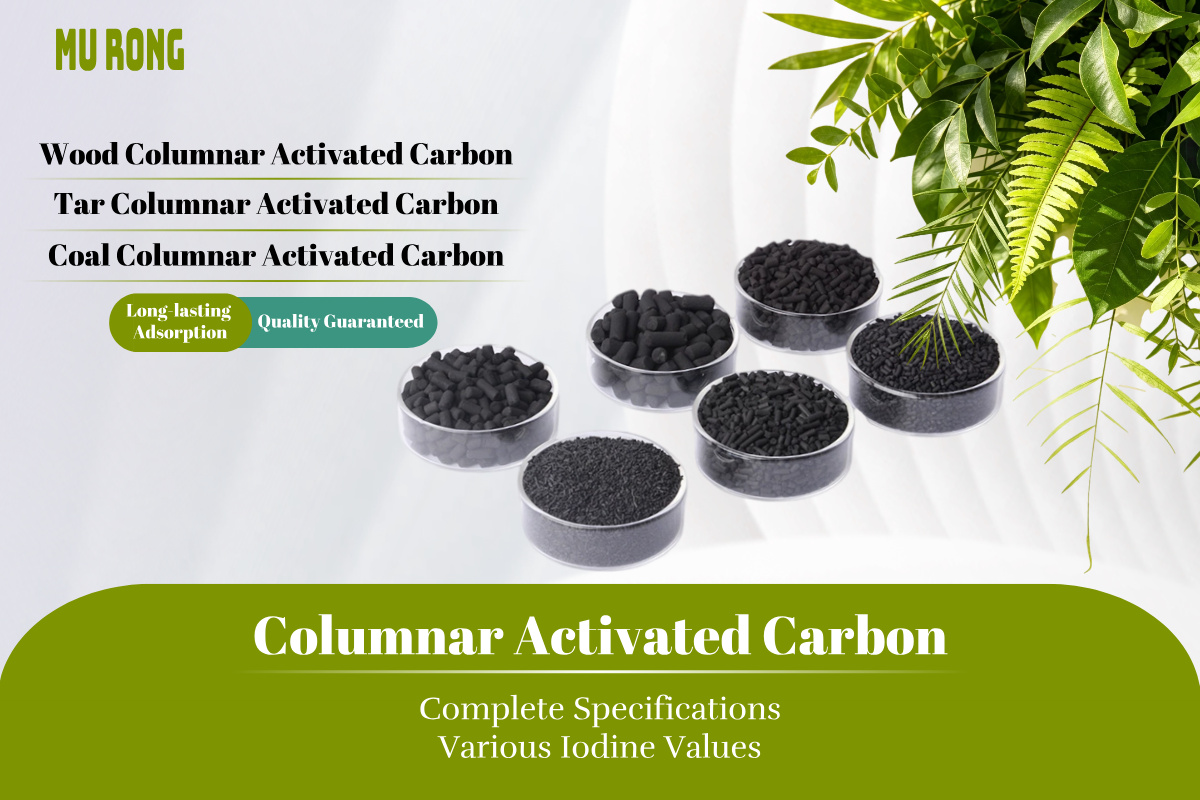
STEP 1: Precise Selection of Adsorption MaterialsWe offer 6 types of products, including coconut shell granular activated carbon (iodine value ≥1000mg/g, specific surface area >1200m²/g), honeycomb activated carbon (porosity 70%-80%, air resistance <300Pa), which can match different concentrations of waste gas (for low concentration (<100mg/m³), choose columnar activated carbon; for high concentration (>300mg/m³), use spherical activated carbon).
STEP 2: Intelligent Regeneration SystemDevelops dual-mode equipment for hot regeneration + steam regeneration, achieving a regeneration efficiency of 95% (traditional methods only 80%), reducing the single regeneration cycle to 8 hours (industry average 12 hours), and restoring the activated carbon adsorption capacity recovery rate to ≥90% after regeneration.
STEP 3: Real-time Monitoring ModuleIntegrated VOCs sensors (range 0-1000mg/m³, accuracy ±3%) and particle counter (0.3μm particle size detection sensitivity 99.97%), data uploaded to the cloud via 4G module, supporting real-time viewing on mobile devices. After application by a Japanese customer, the exhaust emission concentration stabilized at <20mg/m³ (Japanese standard ≤50mg/m³), with an annual maintenance cost reduction of 35%.
FAQ: Guide to Selection of Plastic Injection Exhaust Treatment Technology
Q1: How to select activated carbon type based on exhaust gas concentration?
A: Low-concentration waste gas (<100mg/m³) should prioritize cylindrical activated carbon (low cost, high filling density); medium concentration (100-300mg/m³) recommends honeycomb activated carbon (low wind resistance, suitable for high air volume scenarios); high concentration (>300mg/m³) requires spherical activated carbon (uniform pore structure, strong anti-blocking ability). Mufeng products provide detection reports for parameters such as iodine value and specific surface area, which can assist in precise selection.
Q2: How to determine the regeneration frequency of activated carbon?
Regeneration cycle = activated carbon filling amount × (1 - safety margin) ÷ (daily waste gas production × concentration × adsorption efficiency). For example: 10m³ honeycomb activated carbon (filling amount 800kg), safety margin 20%, daily waste gas treatment 5000m³ (concentration 200mg/m³, adsorption efficiency 90%), then regeneration cycle = 800 × 0.8 ÷ (5000 × 0.2 × 0.9) ≈ 35 days. Mu Rong regeneration equipment supports on-demand startup to avoid excessive regeneration leading to activated carbon loss.
Q3: How does the processing system handle concentration fluctuations?
A: Adopting a "pre-treatment + main adsorption + emergency adsorption" three-level architecture: the pre-treatment section (filter cylinder dust collector) removes particulate matter (efficiency > 99%), the main adsorption section (activated carbon bed) handles conventional concentrations, and the emergency adsorption section (reserve activated carbon tank) automatically switches in when concentration exceeds the standard. The Muerong system is equipped with a concentration linkage control module, which triggers emergency adsorption within 0.5 seconds when an instantaneous peak of >300mg/m³ is detected, ensuring compliance with emission standards.

Summary of the full text reference
The treatment of plastic injection exhaust gas requires a balance between "high-efficiency purification" and "economic operation and maintenance". Muerong (Shanghai) has resolved the pain points of low efficiency, high costs, and poor stability of traditional technologies through three innovations: optimized activated carbon selection, intelligent regeneration technology, and a real-time monitoring system. Their solution has served over 50 enterprises in Japan, Southeast Asia, and other regions, achieving a 100% exhaust gas compliance rate and a equipment failure rate of <2%. When selecting equipment, enterprises should pay close attention to parameters such as the iodine value of activated carbon, regeneration efficiency, and monitoring accuracy, and tailor the solution according to their own exhaust characteristics (concentration, composition, air volume) to achieve a win-win situation for environmental protection and benefits.