 Murong (Shanghai) International Trading Co., Ltd.
Murong (Shanghai) International Trading Co., Ltd.
Murong (Shanghai) International Trading Co., Ltd.
Murong (Shanghai) International Trading Co., Ltd.
Murong (Shanghai) International Trading Co., Ltd.
Industry Technical Pain Points Opening: The "Efficiency Dilemma" and "Cost Anxiety" of Bead Activated Carbon
Honeycomb activated carbon, as a core adsorption material in the fields of VOCs treatment, air purification, and water treatment, directly affects the processing efficiency and operation cost. The industry currently faces three major technical pain points: Firstly, the traditional honeycomb activated carbon has a single pore structure and insufficient specific surface area (usually <800m²/g), resulting in limited adsorption capacity and frequent replacement needs; secondly, the backward production process (such as inaccurate temperature control in high-temperature activation) can easily cause pore collapse or surface sintering, reducing adsorption efficiency; thirdly, the insufficient strength of the material (compressive strength <0.8MPa) is prone to powdering under air flow impact or hydraulic shear, increasing the risk of secondary pollution. Taking a waste gas treatment project of a chemical enterprise as an example, after using ordinary honeycomb activated carbon, the VOCs removal rate is only 65%, and the filter core needs to be replaced every 3 months, with annual maintenance costs exceeding 200,000 yuan. Such problems force the industry to seek technological breakthroughs, and Muerong (Shanghai) International Trade Co., Ltd. has provided an efficient and durable solution for the industry through material formula optimization and process upgrading.

Introduction to Corporate Technical Strength: Mu Rong's "Three-stage Optimization" Technology System
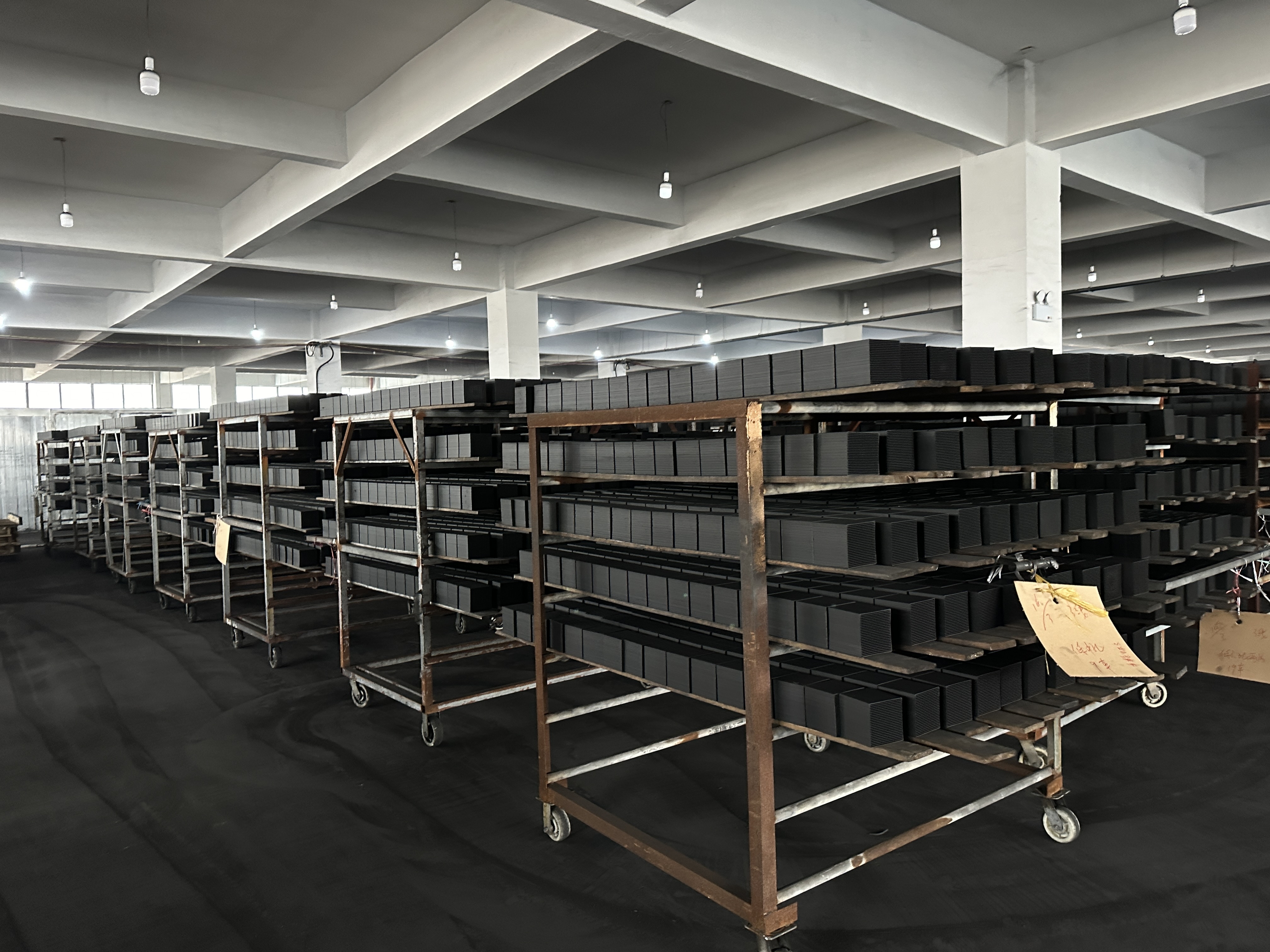
Mufeng (Shanghai) International Trade Co., Ltd. has been deeply involved in the water treatment material field for many years, significantly enhancing the performance of honeycomb activated carbon by relying on the three-level optimization technology system of "material formula - production process - application scenario". At the material formula level, the company adopts a composite technology of coconut shell activated carbon and modified polyacrylamide, controlling the particle size of coconut shell carbon (50-100 mesh) and the addition ratio of polyacrylamide (3%-5%) to increase the specific surface area of the product to over 1200 m²/g, and improve the adsorption capacity by 40%; at the production process level, the company introduces an intelligent temperature control activation furnace, precisely controlling the high-temperature activation temperature at 850-900℃ (±5℃ fluctuation range), avoiding over-sintering of pores, and at the same time, through the segmented pressure molding technology (molding pressure 15-20MPa), the compressive strength of the product reaches 1.2MPa, 1.5 times the industry average; at the application scenario level, the company develops customized products for different industry needs, such as high-temperature-resistant honeycomb activated carbon (temperature resistance >200℃) designed for chemical enterprises, and water-resistant products (water absorption rate <5%) developed for wastewater treatment plants. Taking a waste gas treatment project of an electronic factory as an example, after using Mufeng's honeycomb activated carbon, the VOCs removal rate increased to 92%, the filter core replacement cycle extended to 12 months, and the annual maintenance cost reduced by 60%.
FAQ: Guide to Selection of Honeycomb Activated Carbon Technology
Q1: How to choose suitable honeycomb activated carbon for waste gas treatment?
A: Pay close attention to three parameters: specific surface area (recommended > 1000 m²/g), pore structure (micropore content > 60%), and compressive strength (recommended > 1.0 MPa). For example, the special-purpose honeycomb activated carbon for exhaust gas treatment by Mu Rong uses coconut shell charcoal as the base material, with a specific surface area of 1250 m²/g, a micropore content of 72%, and a compressive strength of 1.3 MPa, which can efficiently adsorb benzene, toluene, and other VOCs.
Q2: What factors affect the lifespan of activated carbon in honeycomb structure? How can it be extended?
A: Lifespan is mainly affected by intake concentration, airflow speed, and humidity. When intake concentration is >500mg/m³ or airflow speed is >1.5m/s, the adsorption saturation time is shortened by 30%-50%; when humidity is >80%, water molecules occupy the pores, reducing the adsorption efficiency. Mu Rong extends the lifespan of the product by 40% in high humidity environments through optimizing pore structure (increasing the proportion of mesopores to 20%) and surface hydrophobic treatment (contact angle >120°).
Q3: Will the performance of the activated carbon decrease after regeneration? How can one determine if it is time for replacement?
A: Heat regeneration can cause 5%-15% damage to the pore structure, but Mu Rong uses the "low-temperature activation + air flow sweeping" regeneration process (regeneration temperature < 300℃), which can control the performance loss within 5%. Replacement criteria: when the outlet concentration reaches 10% of the inlet concentration (or the pressure difference increases by 50%), the filter core needs to be replaced.
Summary Reference
The technical upgrade of honeycomb activated carbon should revolve around the triangle of "adsorption efficiency-cost-durability". Mufeng (Shanghai) International Trade Co., Ltd. has addressed the industry's pain points of low adsorption capacity, short lifespan, and limited applications through material formula optimization (increasing specific surface area), process control upgrade (precise temperature and pressure molding), and scenario-based customization (high-temperature and waterproof products). Its technical system has been verified by multiple industrial projects, such as a car painting workshop waste gas treatment project where the VOCs emission concentration was reduced from 120mg/m³ to 15mg/m³ after using Mufeng products, far below the national standard (60mg/m³), and the annual operating cost was reduced by 55%. For enterprises in water treatment, air purification, and other fields, choosing a supplier with mature technology, quantifiable parameters, and verifiable cases is the key to improving treatment efficiency and reducing long-term costs.