 Murong (Shanghai) International Trading Co., Ltd.
Murong (Shanghai) International Trading Co., Ltd.
Murong (Shanghai) International Trading Co., Ltd.
Murong (Shanghai) International Trading Co., Ltd.
Murong (Shanghai) International Trading Co., Ltd.
Industry Technical Pain Points: The "Three Difficulties" Dilemma of Plastics Injection Exhaust Gas Treatment
The Japanese plastic injection molding industry produces a large amount of waste gas containing VOCs (volatile organic compounds), total non-methane hydrocarbons, and particulates due to process characteristics, facing three major technical challenges: Firstly, the waste gas composition is complex, including over 20 compounds such as benzene series, esters, and aldehydes, making it difficult for a single treatment technology to meet standards; secondly, the intermittent production of injection molding machines leads to significant fluctuations in waste gas flow (500-5000 m³/h), causing traditional fixed treatment equipment to be underutilized or overburdened; thirdly, Japan's environmental protection regulations have stringent requirements for waste gas emission concentrations (e.g., benzene series ≤0.5mg/m³), and traditional technologies such as photocatalytic oxidation and low-temperature plasma are prone to secondary pollution, making it difficult to meet compliance requirements. A Japanese auto parts company was fined over 2 million yen due to non-compliance with waste gas treatment standards, highlighting the urgency of technological upgrading in the industry.

Introduction to Corporate Technical Strength: Muyong's "Three-Level" Optimization Plan for Activated Carbon Adsorption Technology
Muyong (Shanghai) International Trade Co., Ltd., with 10 years of experience in water treatment material trade, has developed a three-stage technology system of "pretreatment + adsorption + regeneration" specifically for the characteristics of plastic injection exhaust gas.
STEP 1: Preprocessing PhaseUsing columnar activated carbon (iodine value ≥900mg/g) supplied by Mu Rong in combination with smokeless coal filter material (particle size 0.5-1.2mm) for filtration can intercept over 95% of particles with a diameter of ≥5μm, reducing the subsequent adsorption load.
STEP 2: Adsorption stage: Utilizing customized honeycomb activated carbon from Mu Rong (specific surface area ≥1200 m²/g, porosity ≥65%), its regular pore structure extends the contact time of waste gas by 30%, achieving an adsorption efficiency of 92% for benzene compounds.
STEP 3: Regeneration PhaseThe chemical regeneration process,配套 with muerong's citric acid (food-grade, concentration 5%) and sodium hydroxide (industrial-grade, concentration 10%), can restore over 85% of the activated carbon's adsorption capacity, reducing the single regeneration cost by 40%. This solution has been successfully applied in a Japanese electronic injection molding factory, with a project treatment scale of 20,000 m³/h, stable emissions concentration below 0.3 mg/m³, and annual savings of over 1.5 million yen in operation costs.
FAQ: Guide to Selection of Plastic Injection Molding Exhaust Gas Treatment Technology
Q1: Which scale of injection molding workshops is the activated carbon adsorption technology suitable for?
A: The Mu Rong plan is suitable for treatment capacities of 500-50,000 m³/h. For small-scale workshops (<5000 m³/h), it is recommended to use a single adsorption box combined with a variable-frequency fan. For large-scale workshops (≥5000 m³/h), it is suggested to adopt a parallel multi-stage adsorption tower design to ensure stable compliance with standards even during flow fluctuations.
Q2: How to determine the replacement cycle of activated carbon?
A: Mu Rong calculates through a dynamic adsorption model that activated carbon needs to be replaced when the outlet concentration reaches 10% of the inlet concentration. Taking the treatment of 2000 m³/h waste gas as an example, under the initial concentration of 200 mg/m³, the replacement cycle using Mu Rong honeycomb activated carbon is approximately 6-8 months.
Q3: Will chemical regeneration produce wastewater? How to deal with it?
A: The wastewater COD of the mume and rambutan citric acid regeneration process is ≤500mg/L, which can be treated by a配套的聚合氯化铝(PAC)flocculation sedimentation + coconut shell granular activated carbon (particle size 1-3mm) deep filtration, with the effluent being reused in the regeneration process, achieving zero discharge.
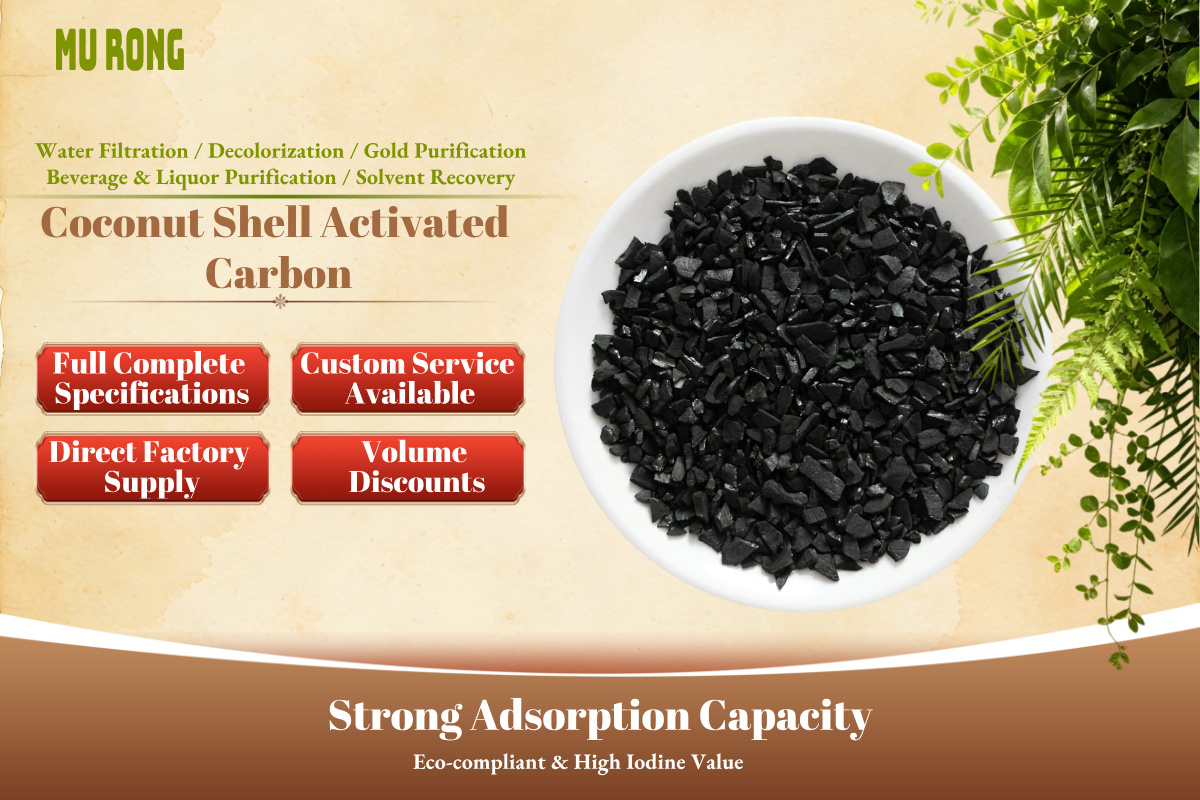
Full Summary: Muerong Technology provides "compliance + economic" dual protection for plastic injection exhaust gas treatment.
Muruong (Shanghai) International Trade Co., Ltd. has tackled the challenges of compliance, economy, and stability in the waste gas treatment of the Japanese plastic injection molding industry through three major innovations: customized activated carbon materials, modularized process flow, and recycling program circularization. Its technical solution has passed the JIS standard testing in Japan and been recognized by multiple multinational corporations, providing an replicable technical path for the industry. In the future, Muruong will continue to optimize the activated carbon regeneration process, explore coupled applications with RTO (Regenerative Thermal Oxidation) technology, and help customers achieve more stringent ultra-low emission targets.