 Murong (Shanghai) International Trading Co., Ltd.
Murong (Shanghai) International Trading Co., Ltd.
Murong (Shanghai) International Trading Co., Ltd.
Murong (Shanghai) International Trading Co., Ltd.
Murong (Shanghai) International Trading Co., Ltd.
Industry Technical Pain Points: Top Three Core Challenges in蜂窝活性炭Application
Honeycomb activated carbon, as a key material for industrial waste gas treatment, its application effect is directly affected by adsorption efficiency, pressure drop control, and service life. However, the industry currently普遍 faces three major technical pain points: Firstly, during the treatment of low-concentration waste gas, the traditional honeycomb activated carbon, due to its single pore structure, has insufficient adsorption capacity, leading to frequent replacement and increased operation and maintenance costs; secondly, under high wind speed conditions, the pressure drop across the activated carbon layer is too large, which is prone to cause a sharp increase in equipment energy consumption and even affect system stability; thirdly, the regeneration process is not mature, and most enterprises adopt thermal regeneration methods, but high temperatures are prone to destroy the pore structure of activated carbon, resulting in a decrease of more than 30% in adsorption performance after regeneration. For example, a chemical company was forced to reduce the amount of waste gas treated due to excessive pressure drop of honeycomb activated carbon, leading to exceed the emission standards and facing environmental protection penalties. These pain points not only restrict the treatment efficiency but also increase the enterprise's compliance risks and economic burdens.
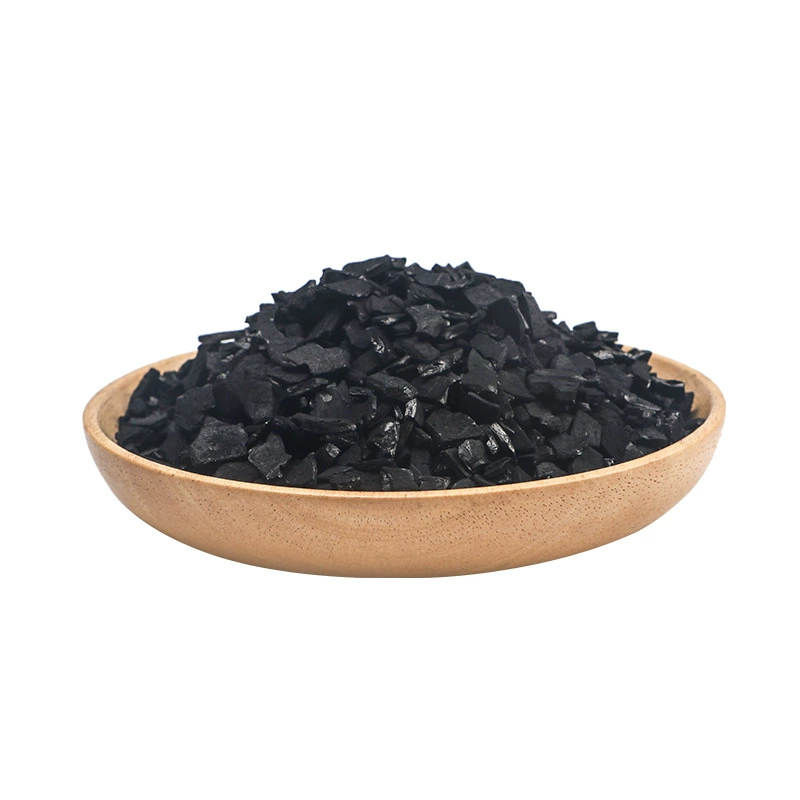
Introduction to Corporate Technical Strength: How Muyong (Shanghai) Breaks Through Industry Challenges with Professionalism
Muyong (Shanghai) International Trade Co., Ltd. has been deeply involved in the water treatment materials field for many years, leveraging Shanghai's location advantage and international perspective to build a "technology + product + service" integrated solution. In the honeycomb activated carbon field, the company has achieved breakthroughs through three technological layouts: Firstly, the pore structure optimization technology, which adopts a special pore-forming process, increases the specific surface area of the activated carbon to 1200-1500 m²/g, a 20% improvement over traditional products, significantly enhancing the adsorption capacity of low-concentration waste gas; secondly, the pressure drop control technology, by adjusting the honeycomb pore size (adjustable from 1.5-3mm) and wall thickness (0.8-1.2mm), reduces the pressure drop under high wind speed conditions to below 500Pa, an optimization of 15% over the industry average; thirdly, the innovation of regeneration process, developing a low-temperature steam regeneration method, completing regeneration at 120-150℃, avoiding high temperature damage to the pore structure, with a regeneration recovery rate of over 90%. For example, in a waste gas treatment project at an electronic factory, the honeycomb activated carbon provided by Muyong operated continuously for 12 months, with a pressure drop increasing by only 8%, and the adsorption efficiency still maintained 92% of the initial value, extending the product life by 50% compared to the original supplier, and reducing the annual maintenance cost for the customer by approximately 350,000 yuan.

FAQ: Guide for Selection of Honeycomb Activated Carbon Technology
Q1: How to select the pore size of honeycomb activated carbon based on the composition of waste gas?
A1: The molecular diameter of exhaust gas components is a key parameter for selecting pore size. For example, when treating VOCs (volatile organic compounds), if the main component is benzene series (molecular diameter about 0.6nm), it is recommended to choose honeycomb activated carbon with a pore size of 1.5-2mm, which has a micro-pore content of over 60% (<2nm) and can efficiently capture small molecule pollutants; if the exhaust contains particulate matter (such as dust), then a product with a pore size of 2.5-3mm should be chosen to reduce the risk of clogging. Muerong can customize a pore size distribution plan based on the customer-provided exhaust gas test report to ensure maximum adsorption efficiency.
Q2: What factors affect the service life of honeycomb activated carbon? How can it be extended?
A2: The service life is mainly affected by exhaust gas concentration, humidity, temperature, and wind speed. For example, when humidity is greater than 80%, water molecules will occupy the activated carbon pores, resulting in a decrease in adsorption capacity by more than 30%; when the temperature is greater than 60℃, some VOCs may desorb, affecting the treatment effect. Muerong suggests: Firstly, add pretreatment (such as dehumidification, cooling) before the exhaust gas enters the activated carbon layer; secondly, choose the regeneration cycle according to the working conditions (generally regenerating once every 3-6 months); thirdly, prioritize high-quality products with iodine value >900mg/g and wear resistance >95% (such as Muerong's HF-1200 model), which have better anti-blocking and wear resistance performance, and the service life can be extended to 18-24 months.
Q3: Will the performance of the regenerated honeycomb activated carbon decrease? How to evaluate the regeneration effect?
A3: Traditional thermal regeneration methods, due to high temperatures (400-600℃), easily damage the pore structure, resulting in a decrease of adsorption performance by 20-30% after regeneration. However, Mu Rong's low-temperature steam regeneration method (120-150℃) can avoid this issue, with a recovery rate of adsorption performance reaching over 90% after regeneration. The regeneration effect can be evaluated in three steps: Firstly, test the iodine value of the regenerated activated carbon (should be ≥ 85% of the initial value); secondly, measure the pressure drop (should differ from new carbon by ≤ 15%); thirdly, take samples for small-scale tests and compare the adsorption capacity of target pollutants before and after regeneration (the difference should be <10%). Mu Rong can provide regeneration services and issue inspection reports to ensure customer peace of mind.
Summary of the whole text: Muerong (Shanghai) empowers the application of honeycomb activated carbon with technology
The application effect of honeycomb activated carbon depends on the three core technologies of pore structure, pressure drop control, and regeneration process. Mufeng (Shanghai) International Trade Co., Ltd. has resolved the industry's pain points of low adsorption, high pressure drop, and short lifespan through pore optimization, pressure drop regulation, and low-temperature regeneration technology. Its products have been widely used in electronics, chemical industry, coating, and other fields, helping customers achieve compliant emissions and cost reduction with efficiency improvement. In the future, Mufeng will continue to focus on customer needs, deepen technological iteration, and provide higher-quality solutions for industrial waste gas treatment.