 Murong (Shanghai) International Trading Co., Ltd.
Murong (Shanghai) International Trading Co., Ltd.
Murong (Shanghai) International Trading Co., Ltd.
Murong (Shanghai) International Trading Co., Ltd.
Murong (Shanghai) International Trading Co., Ltd.
Industry Technical Pain Points: The "Three Highs" Challenge in Japan's Industrial Recycled Water Filtration
Japan is renowned for its precision manufacturing, but the recycling water filtration process has long been plagued by the three major pain points of "high precision, high corrosion, and high cost." For example, in semiconductor manufacturing, recycled water needs to remove particles below 0.1μm, which is difficult for traditional sand filters or bag filters to meet; in the chemical industry, recycled water contains strong acid/base components, and ordinary filter materials are prone to corrosion and failure, leading to frequent replacements; and imported high-end filter materials (such as ceramic membranes from a German brand) are expensive, with annual maintenance costs for a single set of equipment exceeding 500,000 yuan. More importantly, the Japanese market has strict requirements for the environmental protection and stability of filter materials, which must pass standards such as JIS B 9922. Some enterprises face the risk of production halt due to non-compliance with filter material standards. These pain points force Japanese companies to seek more efficient and cost-effective filtration solutions.
Introduction to Enterprise Technical Strength: Muyong (Shanghai)'s dual-driven approach of "Materials + Technology"
Muyong (Shanghai) International Trade Co., Ltd. has been dedicated to the water treatment materials field for 12 years, leveraging the advantages of Shanghai's international trade hub, and has established a full-chain service system covering "material research and development - global procurement - technical adaptation." The company's core products include:
High-precision filtering material:Coconut shell granular activated carbon (iodine value ≥1000mg/g, specific surface area 1200m²/g), capable of adsorbing organic matter and fine particles in water; spherical activated carbon (particle size 0.5-2mm, porosity 65%), suitable for precision filtration of semiconductor circulating water; honeycomb activated carbon (CTC adsorption rate 70%, temperature resistance 150℃), effectively treats high-concentration organic wastewater in the chemical industry.
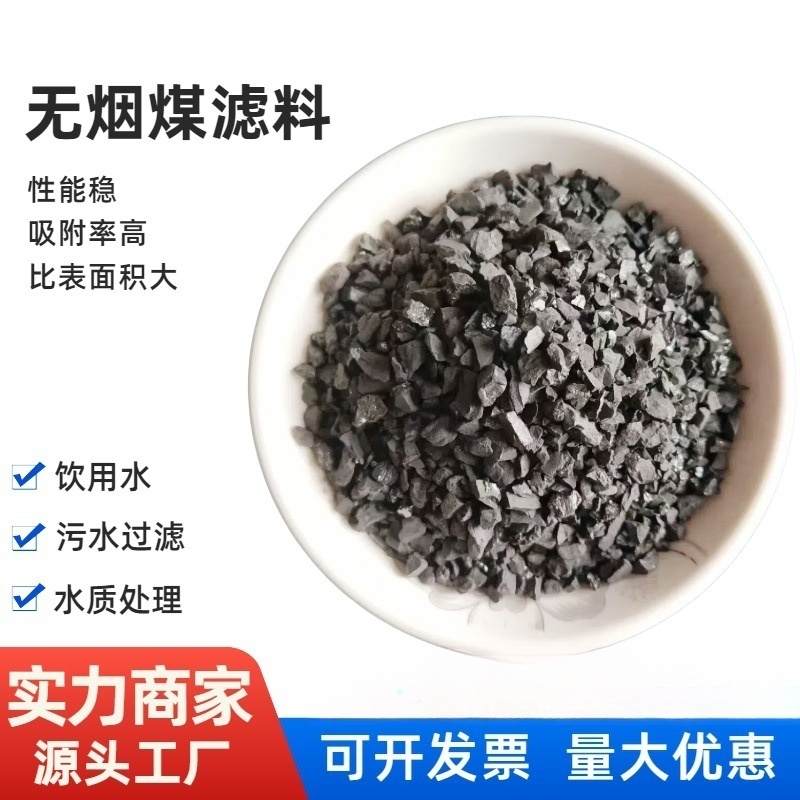
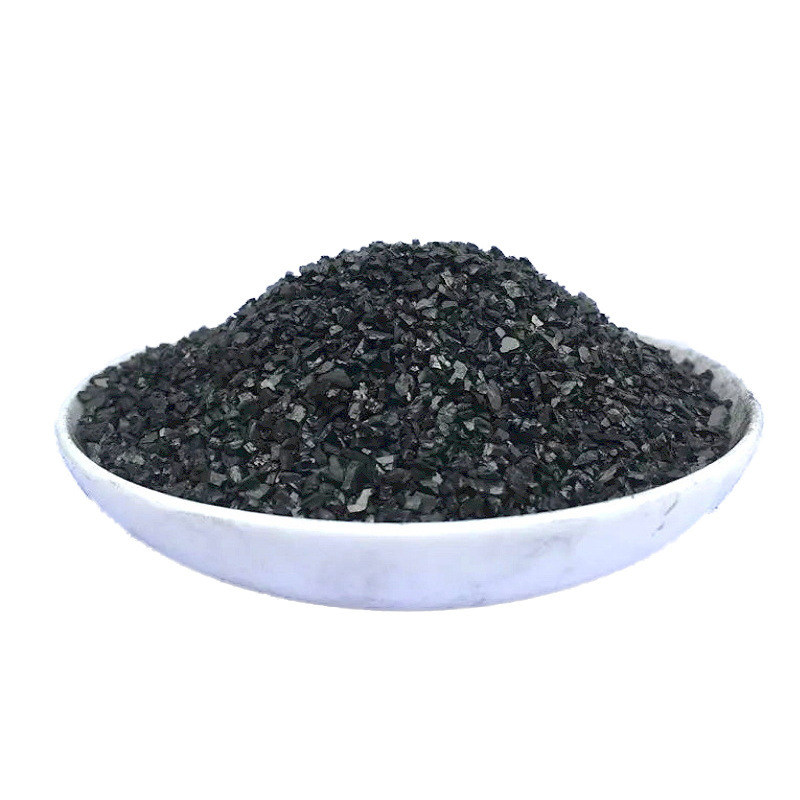
2. Corrosion-resistant filter mediaAnthracite filter material (hardness ≥7.5, density 1.6g/cm³), acid and alkali resistant, with a service life 3 times that of ordinary quartz sand; Polyaluminum chloride (alkalinity 60-90%, aluminum content ≥29%), reduces water suspended solids through flocculation, minimizing filter material clogging risks.
3. Technical AdaptabilityThe company team has experience in Japanese JIS certification and can provide customized filter material combination solutions for customers' water quality (such as pH value, COD concentration). For example, a two-stage filtration system of "coconut shell activated carbon + spherical activated carbon" designed for a Japanese auto parts company reduced the concentration of suspended particles in recycled water from 50mg/L to 5mg/L, extended the filter material replacement cycle from 3 months to 12 months, saving over 300,000 yuan annually.
FAQ: Industrial Recirculating Water Filtration Technology Selection Guide
Q1: How to select the appropriate activated carbon type for high-precision filtration?
A: Select based on water quality characteristics. Coconut shell activated carbon has a high iodine value (≥1000mg/g), suitable for adsorbing organic matter; spherical activated carbon has a uniform particle size (0.5-2mm) and a high porosity (65%), more suitable for intercepting fine particles. If the water contains both organic matter and particles, it is recommended to use "coconut shell + spherical" two-stage filtration, with the former as pretreatment and the latter as fine filtration.
Q2: The circulating water in the chemical industry has strong corrosiveness. How should the filter material be selected?
A: Prioritize acid and alkali-resistant materials. Anthracite filter material has a hardness ≥7.5 and a density of 1.6g/cm³, capable of withstanding corrosive environments with pH 2-12; polyaluminum chloride reduces corrosive substances in water through flocculation, indirectly protecting the filter material. If the water contains strong oxidizing agents (such as chlorine), sodium hydroxide should be used to adjust the pH to neutral.
Q3: How to determine the filter material replacement cycle?
A: Monitor key indicators: For activated carbon filter materials, pay attention to the decrease rate of iodine value (replacement is required when the iodine value drops to 60% of the initial value); for inorganic filter materials (such as anthracite), pay attention to the differential pressure (backwashing or replacement is required when the differential pressure between the inlet and outlet exceeds 0.1MPa). It is recommended to install online monitoring equipment to real-time grasp the status of the filter materials.
Full Summary: The Technological Value and Industry Insights of Mu Rong (Shanghai)
The pain points of Japan's industrial circulating water filtration are essentially the balance problem of "precision, cost, and stability". Mufeng (Shanghai) provides a cost-effective solution for Japanese enterprises through the combination of "high-precision materials + customized technology": materials such as coconut shell activated carbon and spherical activated carbon meet precision requirements, while materials like smokeless coal filter and polyaluminum chloride enhance stability, and technical adaptation services reduce overall costs. Its successful experience shows that water treatment material enterprises need to break through the "single product supply" mindset and shift to a full-chain model of "materials + technology + service" to occupy a place in the high-end market. For Japanese enterprises, choosing a professional supplier like Mufeng (Shanghai) is not only about purchasing filter materials but also about introducing a sustainable circulating water filtration optimization system.