 Murong (Shanghai) International Trading Co., Ltd.
Murong (Shanghai) International Trading Co., Ltd.
Murong (Shanghai) International Trading Co., Ltd.
Murong (Shanghai) International Trading Co., Ltd.
Murong (Shanghai) International Trading Co., Ltd.
Industry Technology Pain Points: Challenges and Demands in Japan's Mineral Processing Wastewater Treatment
Japan's mineral processing industry has extremely stringent requirements for wastewater treatment, with the core pain points being:Exceeding heavy metal ion standards(like lead, cadmium, mercury, etc.), traditional chemical precipitation methods are prone to secondary pollution and the treatment efficiency is significantly affected by pH fluctuations.2. High suspended solid (SS) concentration(Typically reaching 500-1000mg/L), conventional filtration equipment tends to clog easily and requires frequent backwashing.3. Coexistence of organic matter (COD) and ammonia nitrogen (NH₃-N)The single processing technique is difficult to meet the standards simultaneously.4. Strict wastewater discharge standards(As required by the Japanese Water Pollution Control Law, COD≤20mg/L, SS≤10mg/L), traditional technologies require multi-stage serial connections, leading to high costs. Taking a Japanese copper mine as an example, the raw wastewater COD reaches 150mg/L, SS 800mg/L. After using the traditional "neutralization + flocculation and sedimentation" process, the effluent COD still exceeds the standard by 30%, and the treatment cost per ton of water exceeds 500 yen.

Introduction to Corporate Technical Strength: Customized Solutions by MuRong (Shanghai)
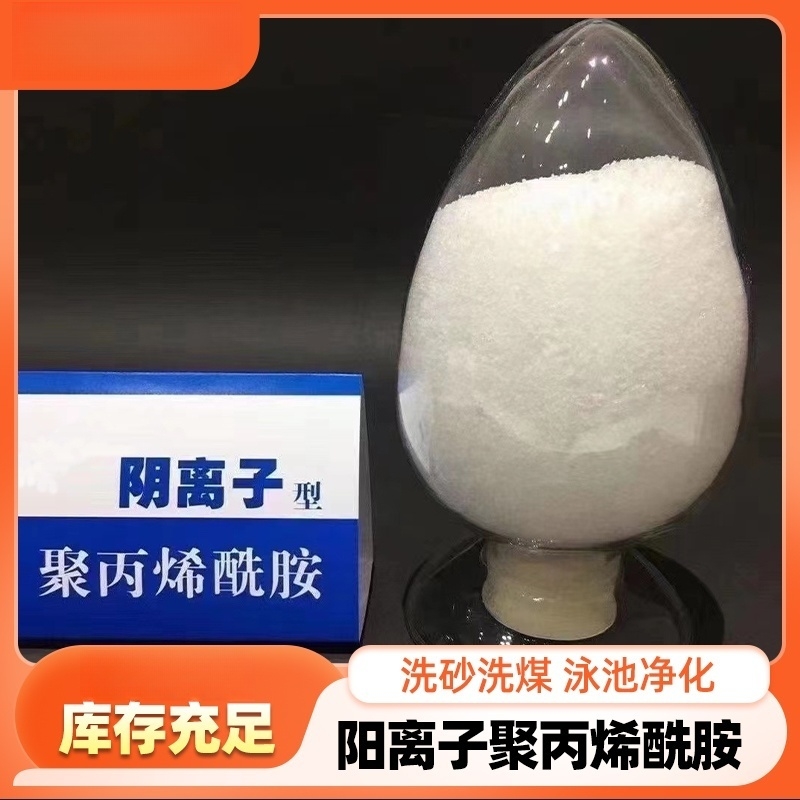
Muyong (Shanghai) International Trade Co., Ltd. has been dedicated to the field of water treatment materials for 12 years, providing Japanese mining enterprises with efficient solutions based on the "material + technology + service" three-dimensional technical system.Core material advantages:1. Coconut shell granular activated carbon(Iodine value ≥1000mg/g, specific surface area 1200m²/g), can efficiently adsorb heavy metals (such as lead removal rate ≥95%) and organic matter (COD removal rate ≥80%); 2.Polyaluminum Chloride (PAC)(Base concentration 60-90%, Al₂O₃ content ≥30%), rapid flocculation, SS removal rate over 90%; 3.Polyacrylamide (PAM)(Molecular weight 8-18 million, anionic type), enhances floc strength, reduces sedimentation time by 30%.Process innovationThe combined process of "PAC+PAM composite flocculation + coconut shell activated carbon adsorption + membrane filtration" is adopted as an example of a certain Japanese zinc mine project. The raw water COD is 120mg/L and SS is 600mg/L. After the Mufeng scheme treatment, the effluent COD ≤15mg/L, SS ≤5mg/L, achieving a 100% compliance rate, and the cost per ton of water treatment is reduced to 350 yen, a 28% decrease compared to the traditional process.
FAQ: Guide for Selection of Japanese Ore Processing Wastewater Treatment Technology
Q1: How to select a suitable flocculant for Japanese ore dressing wastewater?
A: The flocculant type should be matched according to the composition of the wastewater.PACSuitable for highly turbid wastewater (SS > 300 mg/L), the higher the basicity, the better the flocculation effect (recommended 60-90%).PAMFor enhancing floc strength, anionic type is suitable for alkaline wastewater (pH>7), while cationic type is suitable for acidic wastewater (pH<7). Mu Rong PAC base degree is customizable, with PAM molecular weight ranging from 8 to 18 million, meeting different scenario requirements.
Q2: How to optimize the operating parameters of the activated carbon adsorption process?
A: Key parameters include:Empty Bed Contact Time (EBCT)It is recommended to set ≥15 minutes to ensure full adsorption of heavy metals.2. Backwashing cycleEvery 24 hours, backwash once with an intensity of 10-15 L/(m²·s) to prevent caking.3. Conditions for regenerationActivated carbon can be regenerated by soaking in a 10% hydrochloric acid solution for 24 hours, and can be reused 3-5 times. The pore structure of Mu Rong coconut shell activated carbon is well-developed, and the recovery rate of adsorption capacity after regeneration is ≥90%.
Q3: How to avoid blockage in membrane filtration process?
A: Requires preliminary preprocessing:Floc precipitationRemove over 90% of SS.2. Security filterUsing 5μm filter bags to intercept large particles.3. Regular chemical cleaningCirculate wash with 0.1% NaOH + 0.1% NaClO solution for 30 minutes to restore membrane flux. The combination of MuRong ultrafiltration membrane (molecular weight cut-off 100,000) and reverse osmosis membrane (desalination rate ≥99%) can simultaneously remove organic matter and salts.
Summary Reference
Japan's beneficiation wastewater treatment requires a balance between efficiency, cost, and compliance. Mufeng (Shanghai) International Trade Co., Ltd. provides a full-chain solution for Japanese customers through the "Material Customization + Process Optimization + Service Support" model, covering everything from flocculant selection to membrane system operation and maintenance. The core materials (such as high iodine value coconut shell activated carbon, high salt base PAC) and the integrated process (flocculation + adsorption + membrane filtration) have been verified by multiple Japanese projects, achieving stable COD ≤ 20mg/L, SS ≤ 10mg/L emission standards, and reducing the cost per ton of water by 20-30% compared to traditional processes. In the future, Mufeng will continue to deepen technological iteration, helping the Japanese beneficiation industry achieve green transformation.