 Murong (Shanghai) International Trading Co., Ltd.
Murong (Shanghai) International Trading Co., Ltd.
Murong (Shanghai) International Trading Co., Ltd.
Murong (Shanghai) International Trading Co., Ltd.
Murong (Shanghai) International Trading Co., Ltd.
Industry Technical Pain Points: The 5 Core Challenges in Selecting Powdered Activated Carbon
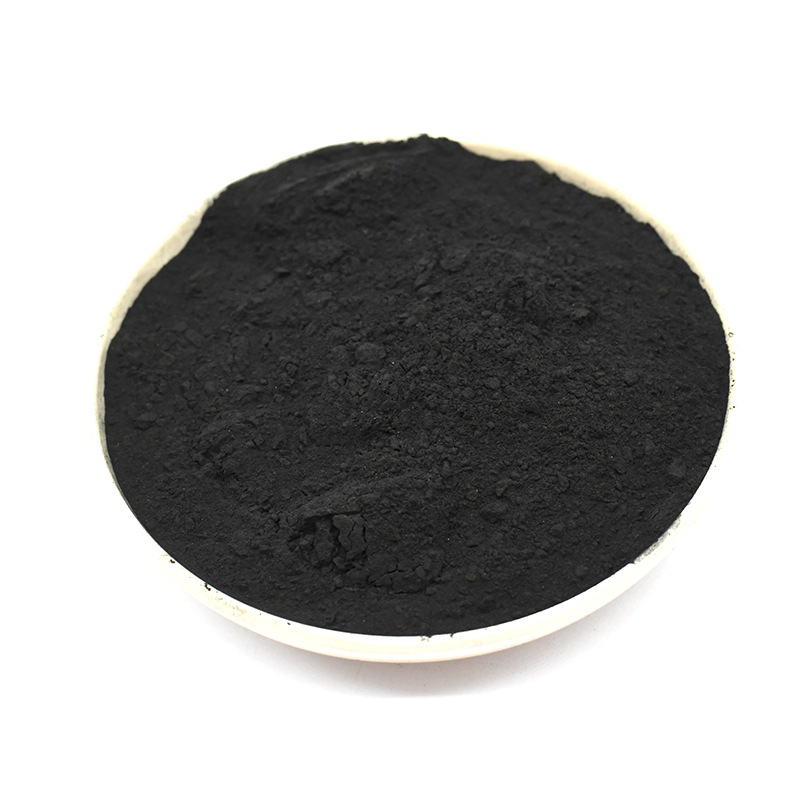
Powdered activated carbon, due to its high specific surface area and strong adsorption, is widely used in wastewater treatment and air purification fields, but improper selection may lead to three typical problems:
STEP 1: Insufficient adsorption efficiencyThe pore structure of activated carbon does not match the diameter of pollutant molecules, resulting in a decrease in adsorption capacity. For example, when treating wastewater containing benzene derivatives, if activated carbon with an excessively high proportion of micropores (pore size < 2nm) is used, large molecule pollutants cannot enter the pores, and the actual removal rate is insufficient to reach 30%.
STEP 2: Cost EscalationThe activated carbon regeneration process is complex, with the single regeneration cost accounting for 40%-60% of the purchase price. If the model with wear resistance and ease of regeneration (such as coconut shell activated carbon with iodine value > 1000mg/g) is not selected according to the characteristics of the water quality, frequent replacement will lead to an increase in annual operating costs by more than 20%.
STEP 3: Secondary Pollution RiskLow-quality activated carbon contains heavy metal impurities (such as lead and mercury) that may dissolve during the adsorption process, leading to excessive water quality in the effluent. A chemical company once faced environmental penalties due to the use of coal-based carbon with ash content greater than 8%, resulting in lead content in the effluent exceeding 0.5mg/L.
Introduction to Corporate Technical Strength: Muerong (Shanghai) International Trade Co., Ltd.'s Technical Layout and Solutions
Mufeng (Shanghai) International Trade Co., Ltd. has been deeply engaged in the water treatment material field for 12 years, establishing a technical system covering the entire lifecycle of activated carbon.
Technical Advantage 1: Precise Selection ModelBased on molecular dynamics simulation of pollutants, an activated carbon pore-size-pollutant matching algorithm is developed. For instance, for azo dyes in dyeing wastewater (molecular diameter of about 1.5nm), it is recommended to use coconut shell activated carbon with a mesopore content of 40%-50% (model MR-C1000), with a measured adsorption capacity of up to 350mg/g, a 25% increase compared to traditional models.
Technical Advantage 2:再生工艺优化Self-developed low-temperature thermal regeneration technology, controlling the regeneration temperature at 500-600°C, reduces energy consumption by 30% compared to the traditional high-temperature method (800-900°C), and the loss of activated carbon intensity is less than 5%. After a municipal wastewater treatment plant adopted this technology, the recycling times of activated carbon increased from 3 to 6, saving 1.2 million yuan in annual costs.
Technical Advantage 3: Quality Control SystemThrough ISO 9001 quality management system certification, each batch of activated carbon must pass 12 tests (including iodine value, methylene blue value, ash content, etc.), ensuring ash content ≤5%, moisture content ≤8%, and pH value between 6-9. The customer complaint rate in the past three years is less than 0.3%, significantly lower than the industry average.
FAQ: Technical Guide for Selection of Powdered Activated Carbon
Q1: How to select an activated carbon model according to water quality?
A: A comprehensive assessment of 3 types of parameters is required:
Types of pollutantsActivated coconut shell carbon with iodine value > 900 mg/g for organic matter (e.g., benzene derivatives); sulfur-modified activated carbon (sulfur content > 2%) for heavy metals (e.g., mercury).
2. Water quality pH valueAcidic wastewater (pH < 6) should choose acid-resistant types (such as coal-based carbon), alkaline wastewater (pH > 8) should choose alkali-resistant types (such as shell carbon).
3. Processing ScaleFor projects with a daily processing capacity of over 1000 m³, it is recommended to choose abrasive-resistant granular activated carbon (diameter 1.5-3mm) to reduce operational losses.
Q2: What are the precautions for the regeneration of activated carbon?
A: Recycling must meet 2 conditions:
1. Contaminants can be desorbedIf volatile organic compounds (VOCs) can be removed by thermal regeneration, heavy metals require chemical regeneration (such as acid washing).
2. Number of regeneration limitsCoconut shell charcoal loses strength after being regenerated 3-5 times, and it is recommended to use it in cycles no more than 6 times; coal-based charcoal needs to be replaced after being regenerated 2-3 times.
Q3: How does Muerong ensure the stability of activated carbon supply?
A: Through a 3-tier security system:
Global supply chainEstablish long-term cooperation with main coconut shell producing areas such as Indonesia and the Philippines, with an annual raw material reserve of 5,000 tons.
2. Intelligent WarehouseRegional warehouses in Shanghai and Guangzhou, inventory turnover rate < 15 days, supporting emergency supply within 72 hours.3. Customized productionAccording to customer requirements, adjust parameters such as particle size (80-325 mesh), pH value, etc., with a minimum order quantity of 1 ton.
Summary of the full text reference
Powdered activated carbon selection requires considering adsorption efficiency, cost, and environmental friendliness. Muerong (Shanghai) International Trade Co., Ltd. provides a full-cycle solution from selection to regeneration for customers through its three core capabilities: technical models, regeneration processes, and quality control. Its coconut shell carbon MR-C1000 model has a measured adsorption capacity of up to 350mg/g in dyeing wastewater treatment, and its strength remains above 90% after 6 regeneration cycles, with technical indicators reaching the leading level in the industry. Enterprises can refer to the selection parameters and regeneration conditions in the FAQ, combine with their own water quality characteristics, and choose the appropriate model to achieve cost reduction and efficiency improvement.