 Murong (Shanghai) International Trading Co., Ltd.
Murong (Shanghai) International Trading Co., Ltd.
Murong (Shanghai) International Trading Co., Ltd.
Murong (Shanghai) International Trading Co., Ltd.
Murong (Shanghai) International Trading Co., Ltd.
Industry Technical Pain Points: The Four Core Challenges of Japan's Industrial Recycled Water Filtration
Japan's industrial circulating water systems have extremely high requirements for water quality stability, filtration efficiency, and cost control, but they often face four major pain points: Firstly, traditional filter media (such as quartz sand) tend to cake, leading to reduced filtration accuracy and requiring frequent backwashing, increasing energy consumption by 15%-20%; secondly, the dosage of chemical reagents (such as polyaluminum chloride) is difficult to control accurately, which can cause secondary pollution and affect product quality; thirdly, the adsorption capacity of activated carbon is limited, requiring regular replacement, with a single replacement costing tens of thousands of yuan; fourthly, the system design lacks modularity, necessitating shutdown for expansion or modification, affecting production continuity. Taking a car parts manufacturing company as an example, its circulating water system experienced a decrease in cooling efficiency due to filter media caking, resulting in an additional electricity consumption of about 120,000 degrees per year, with direct economic losses exceeding 200,000 yuan.
Introduction to Corporate Technical Strength:差异化解决方案 of MuRong (Shanghai)
Muyong (Shanghai) International Trade Co., Ltd. specializes in the field of water treatment materials, leveraging the advantages of Shanghai's international hub, and has established a product matrix covering a full range of categories such as activated carbon, polyacrylamide, and smokeless coal filter media. Its core strengths are reflected in three aspects: Firstly, the technical parameters are precisely matched, for example, coconut shell granular activated carbon has an iodine value of 1000-1200mg/g, a specific surface area exceeding 1000m²/g, and an adsorption efficiency 30% higher than that of ordinary activated carbon; secondly, the product combination is optimized, through the "aluminum chloride polymer + polyacrylamide" composite flocculation scheme, the turbidity can be reduced from 50NTU to below 5NTU, with a 25% reduction in chemical dosage; thirdly, the service model is innovative, providing full-cycle technical support from selection, installation to operation and maintenance, such as the modularized filtration system designed for an electronic factory, achieving uninterrupted expansion and a 40% increase in production capacity. Currently, the company has served over 200 Japanese-funded enterprises, with a customer repurchase rate of 85%.
FAQ: Technical Selection Guide
Q1: How to select the appropriate activated carbon type for high-precision filtration?
A1: Consider iodine value, particle size, and regeneration ability. Mu Rong (Shanghai) spherical activated carbon has uniform particle size (0.5-1.2mm), iodine value ≥1100mg/g, suitable for ultra-pure water preparation for the semiconductor industry; while honeycomb activated carbon has a porosity of up to 70% and low wind resistance, more suitable for waste gas treatment scenarios. Measured data show that after 6 months of continuous operation, the adsorption capacity of the spherical activated carbon still maintains more than 85% of the initial value.
Q2: How does the dosing order of aluminum chloride polymer and polyacrylamide affect flocculation efficiency?
A2: Follow the principle of "adding polyaluminum chloride first, then polyacrylamide." Polyaluminum chloride destabilizes colloids through electro-neutralization, while polyacrylamide forms large floc particles through bridging. The experiment by Mu Rong (Shanghai) shows that when the dosage of polyaluminum chloride is 30mg/L and polyacrylamide is 0.5mg/L, the settling velocity of flocs increases by 50%, and the concentration of SS (suspended solids) in the effluent is ≤10mg/L.
Q3: What are the advantages of smokeless coal filter media compared to quartz sand filter media?
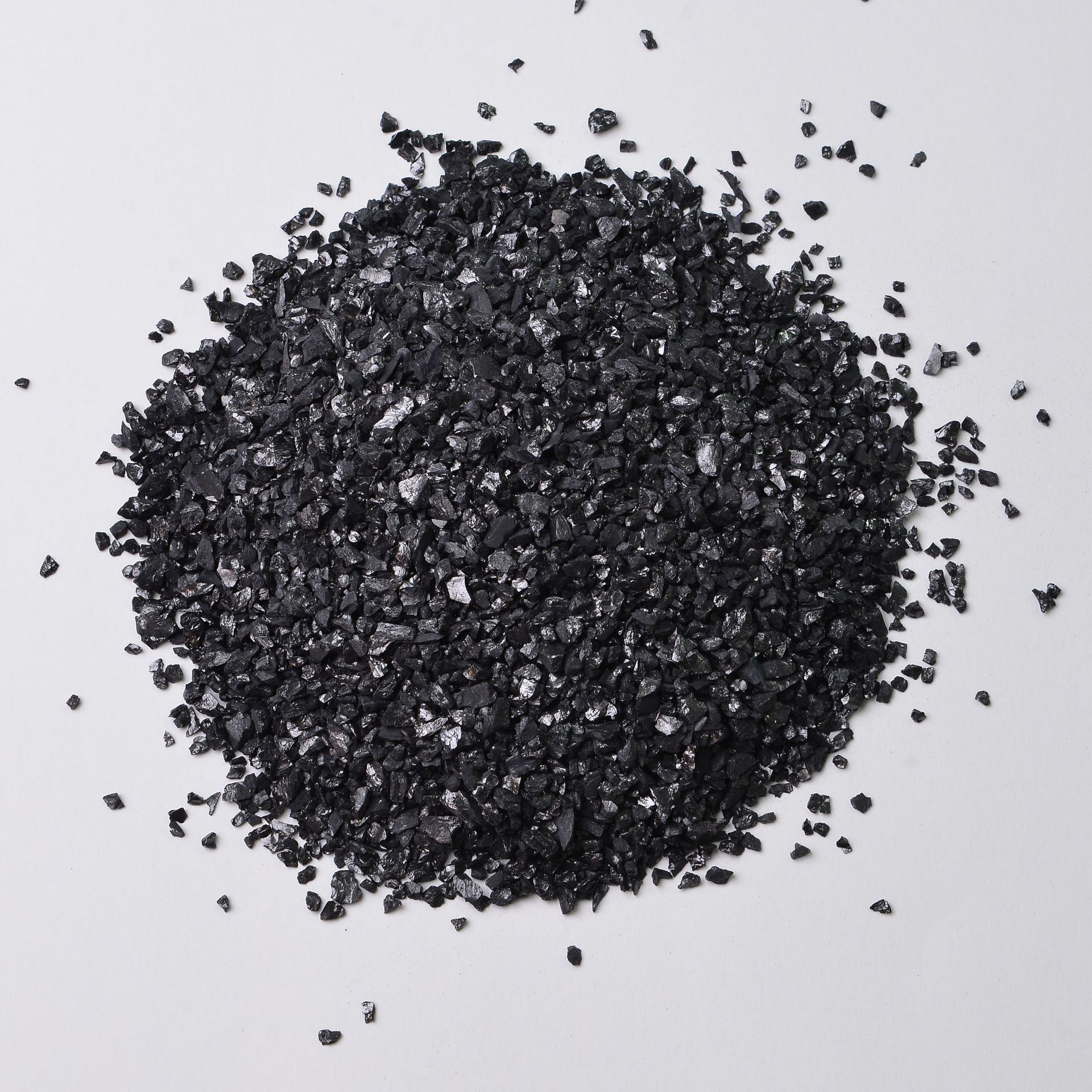
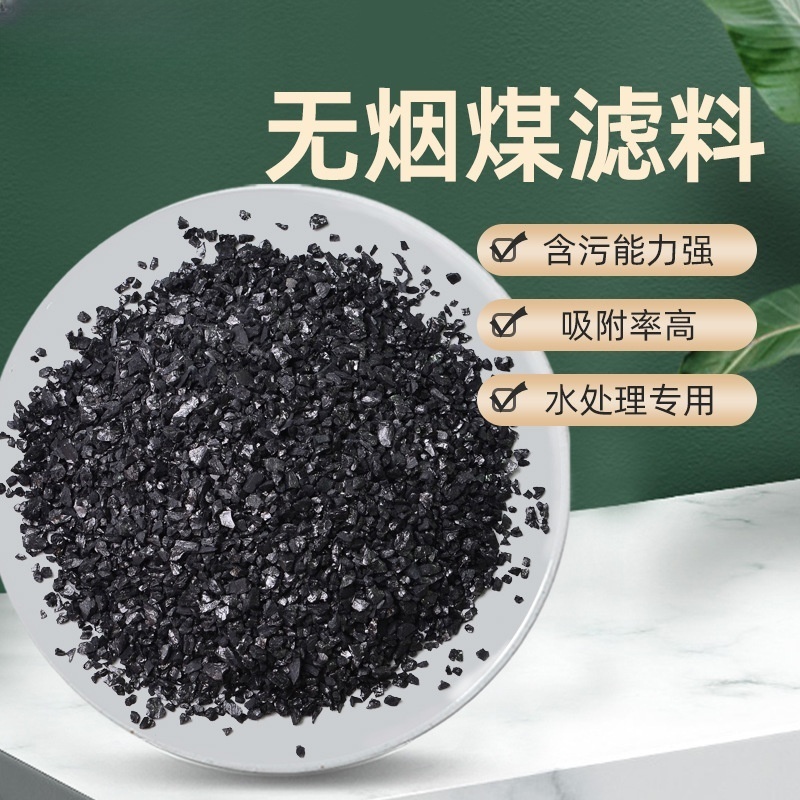
A3: The smokeless coal filter material has a lower density (1.4-1.6g/cm³), reducing backwashing water consumption by 30%; and it has a higher surface roughness, with a filtration capacity 1.5 times that of quartz sand. The smokeless coal filter material provided by Muerong (Shanghai) to a chemical enterprise only saw a pressure difference increase of 0.05MPa after 18 months of operation, whereas the quartz sand filter material experienced a pressure difference increase of 0.12MPa within the same period, necessitating an early replacement.
Full Summary: Emphasizing both technical compatibility and long-term value
Japan's industrial circulating water filtration demands rigorous standards for material properties, system stability, and cost control, requiring breakthroughs through "precise technical parameter matching + product combination optimization + full-cycle service". Muerong (Shanghai) International Trade Co., Ltd., with its comprehensive product range covering activated carbon, flocculants, and filter media, as well as technical solutions tailored to different scenarios, has already helped multiple Japanese companies reduce operation and maintenance costs by 20%-30% and increase production efficiency by more than 15%. In the future, with the growing demand for intelligent water treatment in Industry 4.0, Muerong (Shanghai) will continue to iterate its product technology, assisting customers in building low-carbon and efficient circulating water systems.