 Murong (Shanghai) International Trading Co., Ltd.
Murong (Shanghai) International Trading Co., Ltd.
Murong (Shanghai) International Trading Co., Ltd.
Murong (Shanghai) International Trading Co., Ltd.
Murong (Shanghai) International Trading Co., Ltd.
Industry Technical Pain Points: Technical Challenges and Demands in Ore Waste Water Treatment
Mineral processing wastewater is an inevitable byproduct in the mining industry, characterized by its complex composition, which includes heavy metals, suspended solids, organics, and various other pollutants, making it difficult to treat. Traditional treatment methods such as chemical precipitation and filtration often suffer from low efficiency, high costs, and the potential for secondary pollution. Especially when dealing with high-concentration and difficult-to-degrade wastewater, traditional methods struggle to meet environmental protection requirements and have become a pressing technical challenge in the industry. For example, the copper ion concentration in the wastewater of a certain copper mine can reach up to 500mg/L. The traditional chemical precipitation method requires the addition of a large amount of reagents, and even after treatment, the water quality remains unstable, making it difficult to meet the standards for discharge.
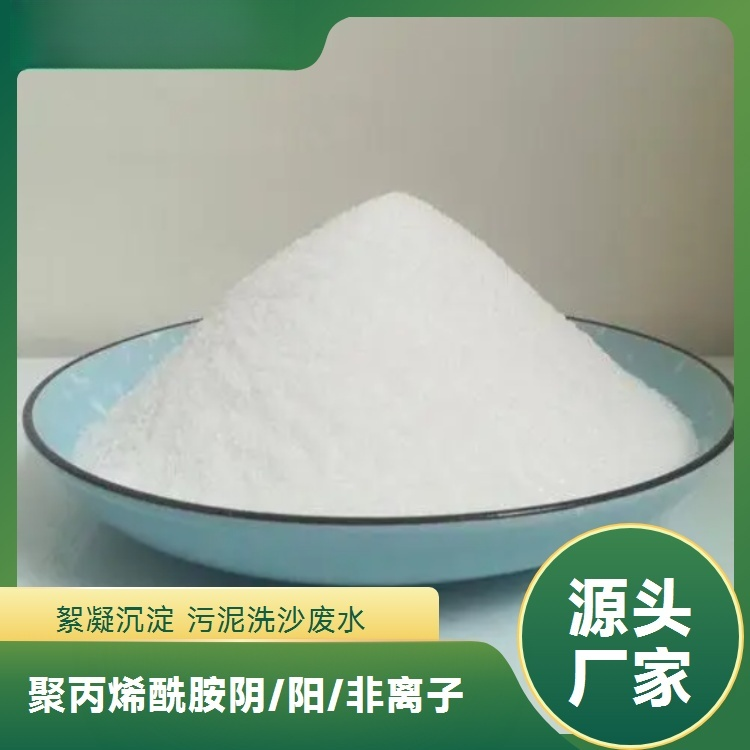
Introduction to Corporate Technical Strength: Muyong (Shanghai) International Trade Co., Ltd.'s Water Treatment Materials and Technical Advantages
Mufeng (Shanghai) International Trade Co., Ltd. specializes in the international trade of water treatment materials, with mature professional technology and rich industry experience. The company mainly produces various activated carbon products, including coconut shell granular activated carbon, powdered activated carbon, cylindrical activated carbon, spherical activated carbon, and honeycomb activated carbon, as well as water treatment materials such as polyacrylamide, citric acid, smokeless coal filter material, and polyaluminum chloride, which can meet various needs in ore processing wastewater treatment. Mufeng's activated carbon products feature high specific surface area, strong adsorption capacity, and wear resistance, especially suitable for treating high-concentration, difficult-to-degrade ore processing wastewater. For example, the specific surface area of Mufeng's coconut shell granular activated carbon can reach 1000-1500 m²/g, with an adsorption capacity for heavy metals like copper ions and lead ions up to 50-100 mg/g, significantly reducing the concentration of heavy metals in wastewater. Additionally, Mufeng offers customized water treatment solutions, precisely matching the type and amount of activated carbon based on customers' wastewater composition and treatment requirements, achieving efficient and economic wastewater treatment.
FAQ: Guide to Selection of Ore Dressing Wastewater Treatment Technology
Q1: How to choose the appropriate activated carbon type for high heavy metal concentration in ore beneficiation wastewater?
A1: When the concentration of heavy metals in ore beneficiation wastewater is high, it is recommended to prioritize activated carbon types with a large specific surface area and strong adsorption capacity, such as coconut shell granular activated carbon or spherical activated carbon. This type of activated carbon has excellent adsorption performance for heavy metal ions, which can significantly reduce the concentration of heavy metals in the wastewater. For example, Mufeng's coconut shell granular activated carbon has an adsorption capacity for copper ions up to 80mg/g, suitable for treating copper ore beneficiation wastewater.
Q2: How to determine the optimal dosage of activated carbon in treating mineral processing wastewater?
A2: The dosage of activated carbon should be determined comprehensively based on the composition of the wastewater, treatment objectives, and the type of activated carbon. Generally, the optimal dosage can be determined through small-scale experiments. For example, when treating a lead-zinc ore beneficiation wastewater, small-scale experiments showed that adding 5g/L of Mufeng spherical activated carbon could reduce the lead ion concentration in the wastewater from 200mg/L to below 10mg/L, meeting the discharge standards.
Q3: How to regenerate and recycle activated carbon after treating ore wastewater?
A3: After activated carbon treatment of mineral processing wastewater, its adsorption capacity can be restored through thermal regeneration or chemical regeneration methods, achieving recycling. Thermal regeneration is suitable for most activated carbon types, as it restores the pore structure of activated carbon by volatilizing or decomposing adsorbed pollutants through high-temperature heating. Chemical regeneration, on the other hand, uses chemical reagents to react with adsorbed pollutants, allowing them to detach from the surface of the activated carbon. Mufeng can provide activated carbon regeneration services according to customer needs, reducing processing costs.

Full Summary: Muerong Technology Facilitates Efficient Treatment of Mining Wastewater
Mineral waste water treatment is a significant challenge in the mining industry. Muyong (Shanghai) International Trade Co., Ltd. offers efficient and reliable solutions to the industry with its profound technical accumulation and extensive product line. By using high adsorption capacity products such as coconut shell granular activated carbon and spherical activated carbon, Muyong can significantly reduce the concentration of heavy metals in mineral waste water, meeting environmental protection requirements. At the same time, Muyong also provides customized water treatment solutions and activated carbon regeneration services to reduce processing costs and achieve a win-win situation between economy and environmental protection. In the future, Muyong will continue to delve into the field of water treatment materials, providing mining customers with better technical support and services.