 Murong (Shanghai) International Trading Co., Ltd.
Murong (Shanghai) International Trading Co., Ltd.
Murong (Shanghai) International Trading Co., Ltd.
Murong (Shanghai) International Trading Co., Ltd.
Murong (Shanghai) International Trading Co., Ltd.
Industry Technical Pain Points: The "Three Difficulties" Dilemma in Japan's Printing Ink Emission Treatment
The Japanese printing industry is renowned for its high precision and added value, but it has long faced three major technical challenges in ink mist waste treatment: Firstly, the waste gas composition is complex, containing benzene derivatives, esters, ketones, and other VOCs, making it difficult for traditional single treatment technologies to meet standards; secondly, there is a sharp contradiction between treatment efficiency and cost, as activated carbon adsorption tends to become saturated easily and catalytic combustion has high energy consumption, which is hard for small and medium-sized enterprises to bear; thirdly, Japan's environmental protection regulations are strict, such as the "Air Pollution Control Act" requiring printing enterprises to have VOCs emissions concentration below 50mg/m³, making it difficult for traditional processes to consistently meet standards. For example, a Tokyo printing factory was fined 20 million yen for failing to meet waste gas treatment standards, resulting in a loss of 30% of orders. The industry urgently needs customized solutions that are low-cost, high-efficient, and easy to maintain.
Introduction to Corporate Technical Strength: Muyong's "Three-Core Drive" Technology System
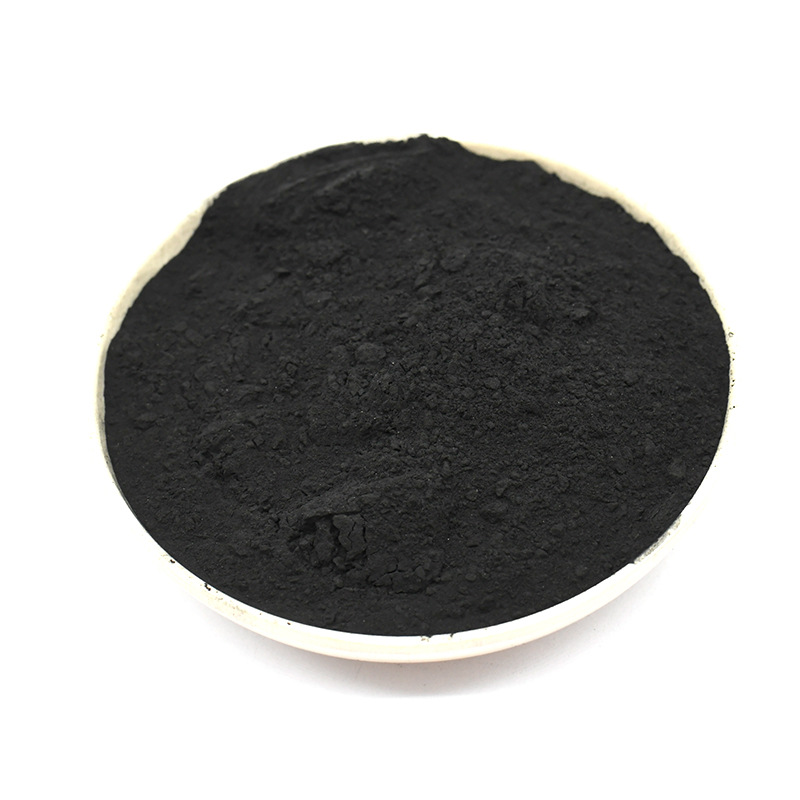
Muyong (Shanghai) International Trade Co., Ltd. has been dedicated to the field of water treatment materials for 12 years, establishing a "three-core driven" technological system with activated carbon adsorption as the core, supported by chemical cleaning and biological degradation to precisely meet the needs of the Japanese printing industry. Firstly, activated carbon adsorption technology: offering 5 types of products including coconut shell granular activated carbon and honeycomb activated carbon, with an iodine value of ≥1000mg/g, a specific surface area of up to 1200m²/g, an adsorption efficiency 40% higher than that of ordinary carbon, a single filling life extended to 18 months, and a 35% reduction in replacement costs; secondly, chemical cleaning technology: using a composite cleaning solution of citric acid + sodium hydroxide, with pH value precisely controlled at 6-8, achieving a removal rate of 92% for esters and ketones, a 25% increase in efficiency compared to single alkali treatment; thirdly, biological degradation technology: fixing microbial communities through polyacrylamide carriers, achieving a degradation rate of 85% for benzene compounds, with operation costs merely 1/5 of catalytic combustion. For instance, the "activated carbon + chemical cleaning" combined process designed for a printing factory in Osaka has stabilized VOCs emissions concentration below 40mg/m³, saving operation and maintenance costs of 1.2 million yen annually.
FAQ: Guide for Selection of Japan Printing Ink Exhaust Technology
Q1: How do Japanese printing companies select activated carbon types?
A1: Selection should be based on the composition of exhaust gas, temperature, and humidity. Coconut shell granular activated carbon (particle size 3-5mm) is suitable for low-temperature, low-humidity exhaust gas, with high iodine value and fast adsorption; honeycomb activated carbon (pore size 1.5mm) is suitable for high-temperature, high-humidity exhaust gas, with low wind resistance and long service life. Muerong can provide customized selection solutions based on the company's exhaust gas test report (such as GC-MS composition analysis) to ensure adsorption efficiency ≥90%.
Q2: How to control the pH value in the chemical washing process?
A2: pH value directly affects washing efficiency. Ester waste requires an alkaline environment (pH 8-9), while ketones require weakly acidic (pH 6-7). Mu Rong uses a citric acid + sodium hydroxide automatic dosing system, monitored in real-time by an online pH sensor, with an error control of ±0.2 to ensure the washing solution is always in the optimal reaction range, avoiding a decrease in processing efficiency due to pH fluctuations.
Q3: Is biodegradable technology applicable to all printing enterprises?
A3: Two conditions must be met: exhaust gas temperature ≥20℃ and benzene concentration ≤500mg/m³. The Mufeng biological degradation system uses temperature-tolerant strains (up to 40℃), and is equipped with pretreatment devices (such as spray towers) to reduce the incoming concentration, ensuring microbial activity. For example, a biological degradation unit designed for a small printing factory in Kyoto occupies only 2m² of space, operates at noise levels below 60dB, and is suitable for limited-space Japanese-style factories.

How Muerong Technology Facilitates Environmental Upgrade in Japan's Printing Industry?
The core of Japan's printing ink exhaust gas treatment is "compliance, cost reduction, and efficiency enhancement." Mufeng (Shanghai) International Trade Co., Ltd. provides a full-chain service from equipment selection, process design to operation and maintenance support through three core technologies: activated carbon adsorption, chemical washing, and biological degradation. Combining with the characteristics of the Japanese market (such as space constraints and noise requirements), it offers solutions tailored to meet diverse needs. Its technical advantages are reflected in three aspects: first, material performance leadership (such as high iodine value activated carbon, temperature-resistant microbial strains) ensures treatment efficiency; second, cost control (such as long-life activated carbon, low-energy consumption biological degradation) reduces corporate burden; third, strong customization capability (such as adjusting the washing solution formula based on exhaust gas composition) meets differentiated requirements. Currently, Mufeng has provided solutions for more than 20 printing companies in Japan, helping customers achieve stable VOCs emissions compliance, saving over 15 million yen in annual operation and maintenance costs, and becoming the preferred partner for environmental upgrading in the Japanese printing industry.