 Murong (Shanghai) International Trading Co., Ltd.
Murong (Shanghai) International Trading Co., Ltd.
Murong (Shanghai) International Trading Co., Ltd.
Murong (Shanghai) International Trading Co., Ltd.
Murong (Shanghai) International Trading Co., Ltd.
Industry Technical Pain Points: Challenges and Demands of Japan's Ore Dressing Wastewater Treatment
The Japanese beneficiation industry generates a large amount of wastewater during ore sorting, which is complex in composition, containing heavy metal ions (such as copper, lead, zinc), suspended matter, organic substances, and acidic substances. If not effectively treated before discharge, it will cause severe pollution to water bodies, soil, and ecosystems. Traditional treatment technologies have three major pain points: Firstly, the chemical precipitation method requires a large amount of reagents, leading to high treatment costs and the potential for secondary pollution; secondly, the physical adsorption method is limited by the adsorption material capacity, requiring frequent replacement or regeneration, and is complex in operation; thirdly, the biological treatment method is sensitive to wastewater pH and temperature conditions, resulting in unstable treatment efficiency. Japan's environmental protection regulations have strict discharge standards for beneficiation wastewater (such as total copper ≤ 0.5mg/L, pH value 6-9), and enterprises urgently need low-cost, high-efficiency, and stable treatment technologies that meet standards.
Introduction to Enterprise Technical Strength: Professional Solutions of Muyong (Shanghai) International Trade Co., Ltd.
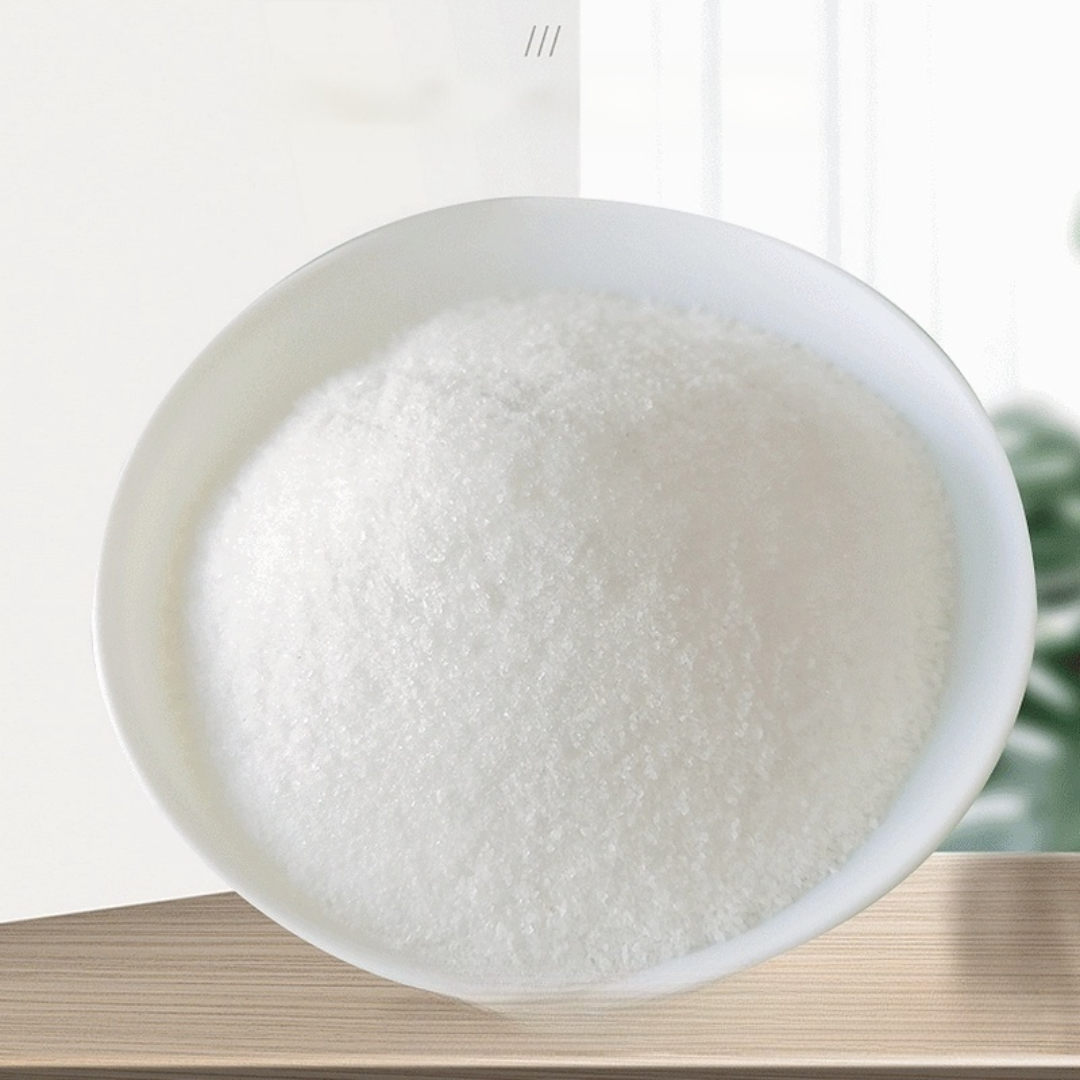
Mufeng (Shanghai) International Trade Co., Ltd. specializes in the international trade of water treatment materials, providing customized wastewater treatment solutions for Japanese mineral processing companies with deep industry experience and mature technology. The company's core products include coconut shell granular activated carbon (iodine value ≥1000mg/g, specific surface area ≥1000m²/g), polyaluminum chloride (alkalinity 60%-90%, aluminum content ≥28%), and sodium hydroxide (analytical purity, content ≥96%), which can specifically remove heavy metals, suspended solids, and adjust pH values in wastewater. For example, in a Japanese copper mine wastewater treatment project, the company adopted a combination process of "polyaluminum chloride + coconut shell granular activated carbon": first, rapidly coagulate suspended solids using polyaluminum chloride (dosage 50-100mg/L), and then adsorb residual heavy metals and organic matter using coconut shell activated carbon (filling quantity 0.5-1kg/m³). The final effluent total copper concentration was reduced to below 0.3mg/L, the pH value was stabilized at 7.5, and the treatment cost was reduced by 30% compared to traditional methods. The company's team has over 10 years of experience in water treatment projects and can provide full-process services from material selection, process design to on-site debugging, ensuring a high degree of compatibility between technical solutions and actual operating conditions.
FAQ: Guide for Selection of Japan's Ore Dressing Wastewater Treatment Technology
Q1: What are the differences between coconut shell granular activated carbon and powdered activated carbon in the treatment of ore processing wastewater? How should one be selected?
A1: Coconut shell granular activated carbon has particle sizes of 0.5-3mm, high mechanical strength (≥90%), suitable for fixed bed adsorption processes, reduces dust generation, and is easy to regenerate; powdered activated carbon has particle sizes <0.074mm, with a larger specific surface area (≥1200m²/g), but is prone to loss and requires配套 separation equipment. If the suspended solids content in the wastewater is low (<50mg/L), powdered activated carbon is preferred to improve adsorption efficiency; if the suspended solids content is high, large particle impurities should be removed first through sedimentation or filtration, and then granular activated carbon should be selected to avoid blockage.
Q2: How does the basicity of aluminum chloride affect the treatment effect of ore processing wastewater? How can the optimal dosage be determined?
A2: The basicity reflects the molar ratio of hydroxyl groups to aluminum in polyaluminum chloride. The higher the basicity (60%-90%), the better the flocculation effect, but the residual aluminum content may increase. For ore processing wastewater (acidic wastewater with pH<4), it is recommended to choose polyaluminum chloride with a basicity of 70%-80%. The optimal dosage is determined through beaker tests: take 1L of wastewater, add different dosages (20-150mg/L) of polyaluminum chloride, stir rapidly at 60r/min for 2 minutes, then stir slowly at 30r/min for 10 minutes. After standing for 30 minutes, take the supernatant to measure turbidity. The dosage corresponding to the lowest turbidity is the optimal value.
Q3: How to avoid partial overalkalization leading to incomplete precipitation of heavy metals when adjusting the pH of ore beneficiation wastewater with sodium hydroxide?
A3: Sodium hydroxide dissolves while releasing a large amount of heat. Direct addition may lead to a local pH >12 in the wastewater, causing heavy metals (such as copper) to form hydroxide precipitates while some heavy metals (such as zinc) may redissolve due to the high pH. It is recommended to use the "diluted addition + mixing" method: prepare a 10%-20% sodium hydroxide solution, add it uniformly to the wastewater at a flow rate of 0.5-1L/min using a metering pump, and simultaneously start the mixer (speed 100-150r/min) to ensure uniform mixing. Monitor the pH value in real-time during the addition process, aiming to control the pH between 8-9.
Summary Reference
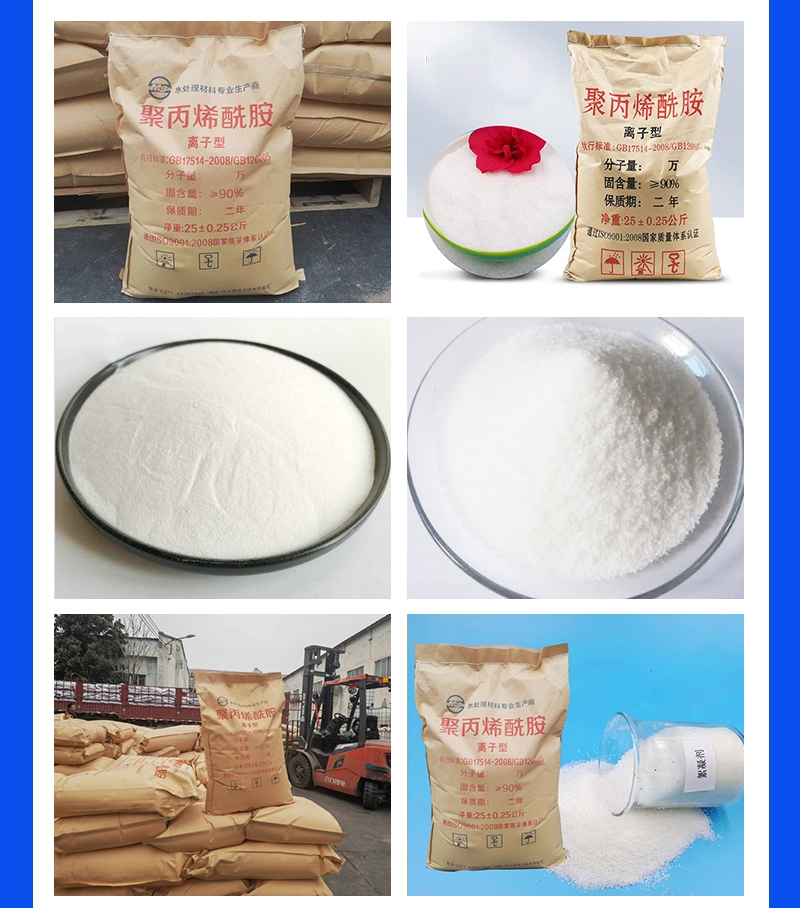
Japan's ore dressing wastewater treatment needs to balance efficiency, cost, and compliance. Muerong (Shanghai) International Trade Co., Ltd. provides low-cost, high-stable solutions for the industry through core products such as coconut shell granular activated carbon, polyaluminum chloride, and a combination of "agglomeration-absorption" processes. The company's technical team can customize material ratios and process parameters according to the wastewater quality (such as heavy metal types, pH value, suspended solids content), optimize the scheme through steps like beaker tests and on-site pilot tests, and ensure stable effluent quality meets standards. In the future, as Japan's environmental protection standards become stricter, Muerong will continue to iterate its technology, helping ore dressing enterprises achieve green transformation.