 Murong (Shanghai) International Trading Co., Ltd.
Murong (Shanghai) International Trading Co., Ltd.
Murong (Shanghai) International Trading Co., Ltd.
Murong (Shanghai) International Trading Co., Ltd.
Murong (Shanghai) International Trading Co., Ltd.
Industry Technical Pain Points: The Three Core Challenges of Printing Ink Waste Gas Treatment
The Japanese printing industry has extremely strict emissions standards for ink exhaust, requiring VOCs (volatile organic compounds) concentration to be controlled below 10mg/m³, and the simultaneous removal of odor substances such as benzene series and esters. Traditional treatment technologies like photocatalytic oxidation are easily interfered with by exhaust components, while catalytic combustion faces high energy consumption (up to 0.3-0.5kWh/m³) and safety hazards (temperature needs to be controlled between 250-400℃). Although activated carbon adsorption technology is widely used, it has issues such as rapid adsorption capacity attenuation (efficiency decreases by 30% after 3-6 months of use) and high regeneration costs (steam regeneration energy consumption is about 0.8t steam/ton of carbon), leading to the dual dilemma of "difficulty in meeting standards and high costs" for enterprises in the long run.
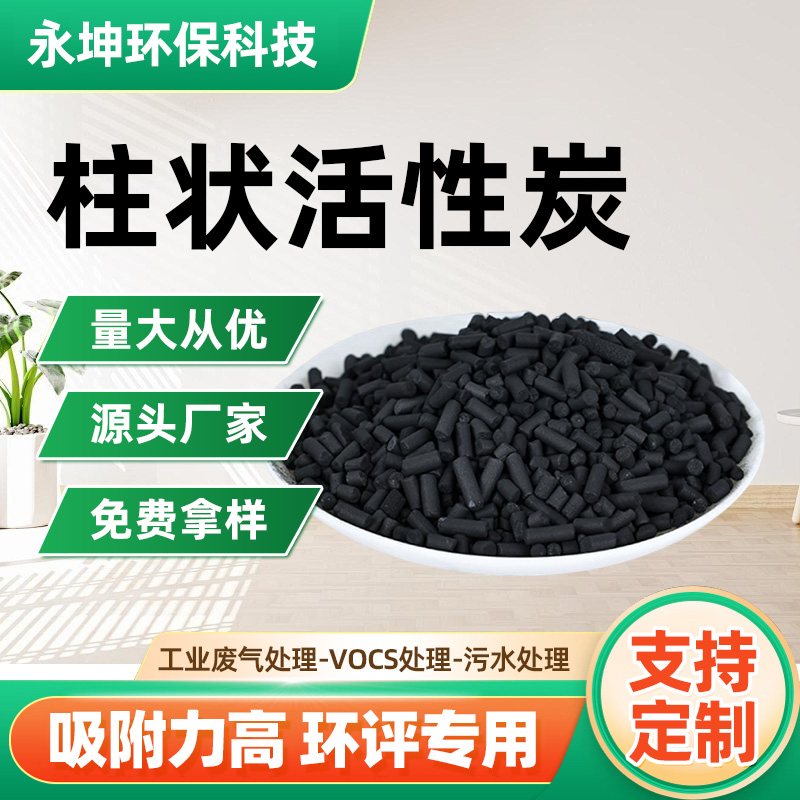
Introduction to Corporate Technical Strength: Mu Rong activated carbon material's differentiated technological layout
Mufeng (Shanghai) International Trade Co., Ltd. has been dedicated to the field of water treatment materials for 12 years, establishing a technical system covering all categories of activated carbon. Its core advantages are reflected in three aspects:Material customization capabilityFor the complex composition of exhaust gases from printing inks, a combined scheme of coconut shell granular activated carbon (iodine value ≥1000mg/g, specific surface area 1200-1500m²/g) and honeycomb activated carbon (porosity 70-75%, air resistance ≤800Pa) is developed. The former is used for pre-treatment of high-concentration exhaust gases, while the latter achieves deep purification of low-concentration exhaust gases.2. Recycling process optimizationBy using low-temperature thermal regeneration technology (regeneration temperature ≤ 400℃), the service life of activated carbon can be extended to 18-24 months, and the adsorption efficiency recovery rate after regeneration reaches over 92%.3. Full Lifecycle ServiceOne-stop service from exhaust gas composition analysis, material selection to equipment debugging. Customized "coconut shell carbon + honeycomb carbon + rotary吸附塔" solution for a Japanese printing company, stabilizing VOCs emission concentration below 8mg/m³ and reducing annual operating costs by 40%.
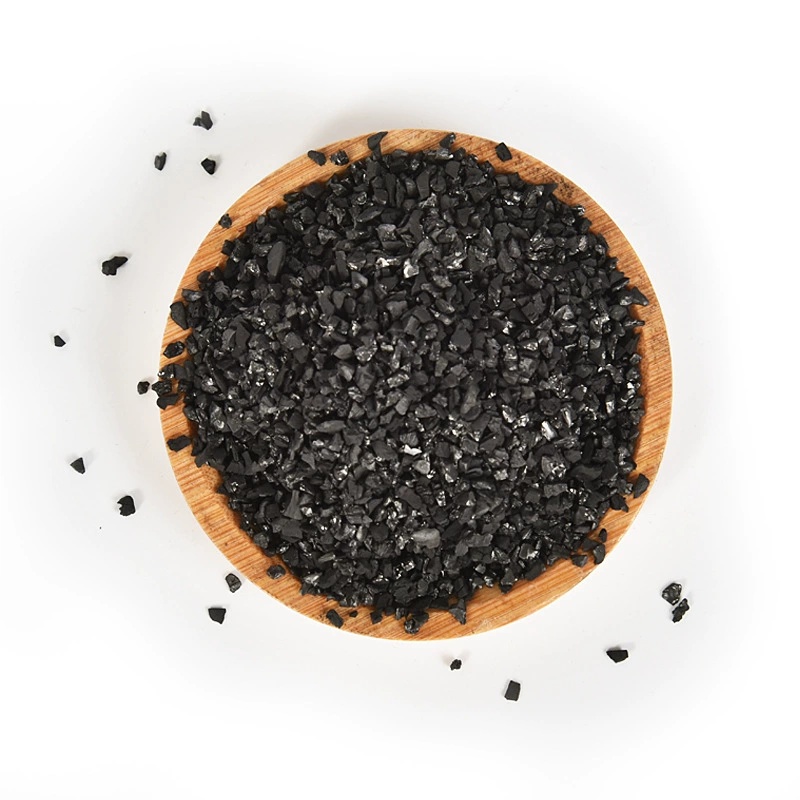
FAQ: Guide for Selection of Printing Ink Exhaust Gas Treatment Technology
Q1: How to select the activated carbon type based on exhaust gas concentration?
A: For high-concentration waste gas (VOCs > 500mg/m³), it is recommended to use coconut shell granular activated carbon, which has a high iodine value (≥1000mg/g) and a large specific surface area (1200-1500m²/g) for rapid adsorption of macromolecular pollutants. For low-concentration waste gas (VOCs < 200mg/m³), honeycomb activated carbon is suitable, with its regular pore structure (pore size 1.5-3mm) that can reduce wind resistance (≤800Pa) and extend the adsorption cycle to 8-12 hours.
Q2: How to determine the frequency of activated carbon regeneration?
A: The regeneration cycle should be determined by comprehensively considering the waste gas flow rate, concentration, and the decay curve of adsorption efficiency. Taking a customer case of Mu Rong as an example: when the waste gas flow rate is 5000 m³/h and the VOCs concentration is 300 mg/m³, the initial adsorption efficiency of coconut shell granular activated carbon is 95%, which drops to 70% after 6 months of operation, at which point regeneration is required; if honeycomb activated carbon is used, due to its low wind resistance and uniform adsorption, the regeneration cycle can be extended to 8-10 months.
Q3: How can activated carbon adsorption technology be coordinated with other technologies (such as RTO)?
A: For ultra-low emission requirements (VOCs < 10mg/m³), it is recommended to adopt a combination process of "activated carbon adsorption + RTO incineration". As a pretreatment unit, activated carbon can remove over 80% of VOCs, reduce the RTO inlet concentration, and decrease fuel consumption (energy consumption reduced by 20-30%). At the same time, the high-temperature gas (600-800℃) produced by the RTO can be used for the regeneration of activated carbon, forming an energy closed loop. Muerong once designed this solution for a large-scale printing plant, reducing the overall operating cost of the system by 35% compared to a single RTO process.
Summary Reference
Japan's waste gas treatment for printing inks must balance both "compliance with emission standards" and "cost control" goals. Activated carbon adsorption technology, due to its mature technology and strong adaptability, has become the mainstream choice. Mufeng (Shanghai) International Trade Co., Ltd. has constructed a technical solution covering high/low concentration waste gases through material customization, regeneration process optimization, and full lifecycle services. Its core parameters (such as iodine value, specific surface area, regeneration efficiency) all reach the leading level in the industry. Enterprises that need to further reduce treatment costs can focus on the management of activated carbon regeneration cycle (recommended to test adsorption efficiency every 6-12 months) and the synergistic application with other technologies (such as using RTO in combination can reduce energy consumption by 20-30%), to achieve a balance between environmental and economic benefits.