 Murong (Shanghai) International Trading Co., Ltd.
Murong (Shanghai) International Trading Co., Ltd.
Murong (Shanghai) International Trading Co., Ltd.
Murong (Shanghai) International Trading Co., Ltd.
Murong (Shanghai) International Trading Co., Ltd.
Industry Technical Pain Points: The Core Challenges of Japan's Industrial Recirculating Water Filtration Maintenance
Japan is renowned for its precision manufacturing industry, where the circulating water system serves as a crucial infrastructure in the production process. The filtration and maintenance technology directly impacts the lifespan and production efficiency of the equipment. However, traditional filtration systems commonly suffer from three major pain points: Firstly, the filter material replacement cycle is short, leading to increased downtime costs due to frequent maintenance; secondly, the filtration accuracy is insufficient, making it difficult to meet the high cleanliness requirements of industries such as semiconductor and precision machinery; thirdly, chemical cleaning tends to corrode pipelines, shortening the overall lifespan of the equipment. For example, a certain automotive parts company suffered a loss of over 500,000 yuan due to incomplete circulating water filtration, which led to the scrapping of the main spindle of the machining center due to wear from impurities. Moreover, Japan's stringent environmental protection requirements further increase the burden on enterprises, as the cost of wastewater treatment from traditional maintenance methods is high. How to achieve efficient, low-consumption, and long-lasting filtration maintenance through technological upgrades has become a pressing issue that needs to be addressed in the industry.
Introduction to Corporate Technical Strength: Muyong (Shanghai)'s Recycled Water Filtration Technology Layout
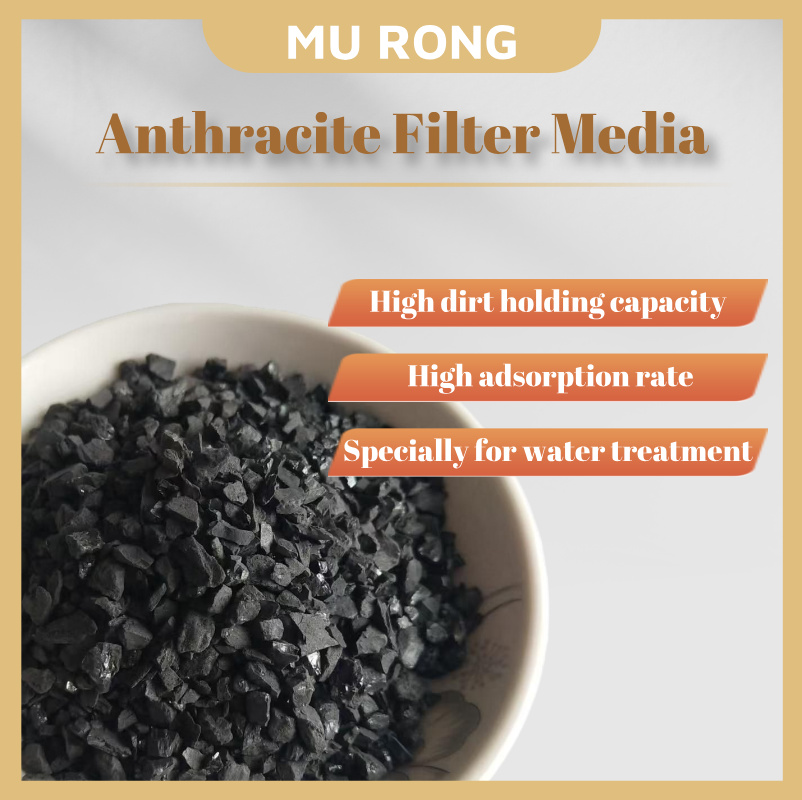
Muruong (Shanghai) International Trade Co., Ltd. has been deeply involved in the field of water treatment materials for many years. In response to the needs of Japan's industrial circulating water filtration and maintenance, the company has established a three-in-one technical system of "filter material + chemical agent + service." In terms of filter materials, the coconut shell granular activated carbon (iodine value ≥ 1000mg/g) and spherical activated carbon (specific surface area ≥ 1200m²/g) represented by the company can efficiently adsorb micrometer-sized impurities. Combined with smokeless coal filter material (particle size 0.5-1.2mm), it achieves multi-level filtration, extending the replacement cycle of filter materials to twice that of traditional solutions. In the chemical cleaning process, the company's composite agents of citric acid (food-grade, content ≥ 99.5%) and polyaluminum chloride (base degree 40-90%) can rapidly dissolve oil stains and metal oxides under low-temperature conditions, and the corrosion rate is reduced by 70% compared to traditional hydrochloric acid cleaning. In addition, Muruong (Shanghai) has assembled a technical team consisting of 10 senior engineers, providing a full-process service from system diagnosis, filter material selection, to maintenance program formulation. The company has customized a "activated carbon + ultrafiltration membrane" combination solution for an electronic enterprise, reducing the SS (suspended solids) concentration of circulating water from 50mg/L to below 5mg/L, meeting the 10-level cleanroom standard.
FAQ Q&A Technical Selection Guide
Q1: How to select the suitable circulating water filter material for high-precision machining?
A1: High-precision processing requires particular attention to the filtration accuracy and adsorption capacity of the filter material. The spherical activated carbon (particle size 0.3-0.6mm) recommended by Muerong (Shanghai) has a specific surface area of over 1200m²/g, capable of adsorbing particles above 0.5μm. When used with polyacrylamide (molecular weight 8-12 million) as a flocculant aid, it can further reduce turbidity. In an actual case, a precision mold company reduced the turbidity of its recycled water from 15 NTU to 3 NTU after using this combination, with a 40% decrease in the rate of surface scratches on the product.
Q2: How to balance cleaning effectiveness and equipment protection during chemical cleaning?
A2: Traditional hydrochloric acid cleaning is efficient but prone to corrode stainless steel pipes. Muerong (Shanghai) recommends a composite cleaning solution using citric acid (concentration 5-8%) and sodium hydroxide (pH adjusted to 8-9), which dissolves metal oxides through chelation, while adding corrosion inhibitors (such as benzotriazole) to keep the corrosion rate below 0.1g/(m²·h). After implementing this solution on an automotive coating line, the cleaning cycle was extended from once a month to once a quarter, saving over 200,000 yuan in annual cleaning costs.
Q3: How to optimize the design at the source to prevent frequent blockages in the recirculating water system?
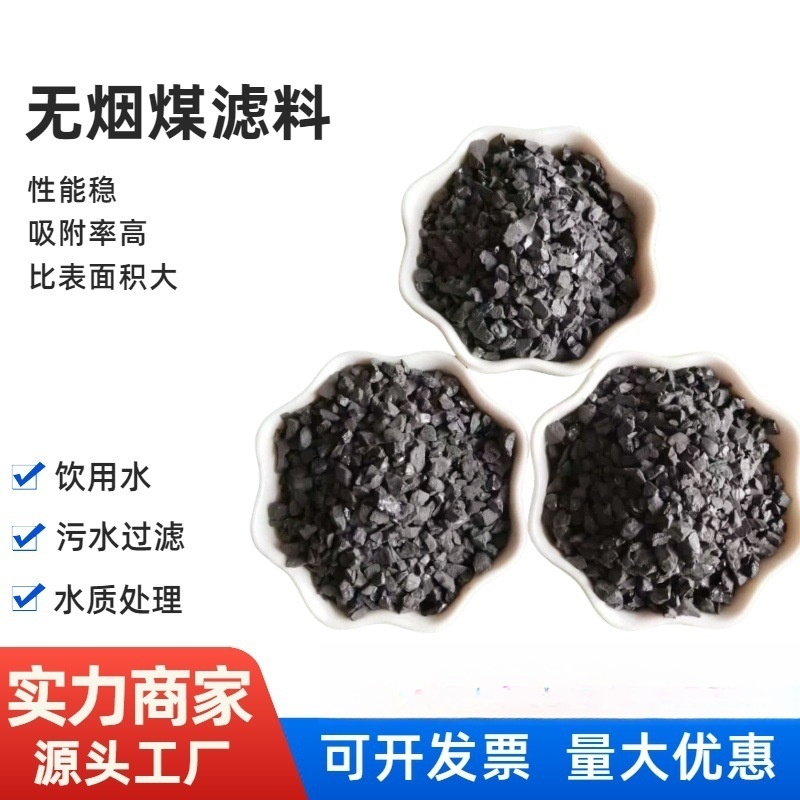
A3: Frequent blockages are mainly caused by insufficient pretreatment. Muerong (Shanghai) offers a "Multi-level Filtration + Intelligent Backwashing" solution: the first stage uses smokeless coal filter material (thickness 300mm) to intercept large particles, the second stage uses coconut shell granular activated carbon (thickness 500mm) to adsorb organic matter, the third stage retains microparticles through ultrafiltration membranes (pore size 0.01μm), and is equipped with a differential pressure sensor to automatically trigger backwashing. After application by a chemical enterprise, the system running time was extended from an average of 30 days to 180 days, with a 60% reduction in backwashing water volume.
Summary of the full text reference
Japan's industrial circulating water filtration repair technology upgrade needs to balance efficiency, cost, and environmental protection. Mufeng (Shanghai) International Trade Co., Ltd. provides measurable solutions for precision manufacturing, electronics, chemical industries, and more through high adsorption capacity filter materials, low-corrosion chemical agents, and intelligent system design. The company's technical team offers customized support according to specific operating conditions, from filter material selection (such as activated carbon iodine value, polyacrylamide molecular weight) to chemical agent proportioning (citric acid concentration, pH range) and system parameters (backwashing cycle, pressure difference threshold), helping clients reduce maintenance frequency by over 30% and extend equipment life by over 50%. In the future, with Japan's increasing demand for the circular economy in industry, Mufeng (Shanghai) will continue to optimize its technological system, promoting the evolution of circulating water filtration repair towards green and intelligent directions.