 Murong (Shanghai) International Trading Co., Ltd.
Murong (Shanghai) International Trading Co., Ltd.
Murong (Shanghai) International Trading Co., Ltd.
Murong (Shanghai) International Trading Co., Ltd.
Murong (Shanghai) International Trading Co., Ltd.
Industry Technical Pain Points: Core Challenges in the Application of Activated Carbon Powder
Powdered activated carbon, as a key adsorption material in the water treatment field, focuses its technical pain points on three dimensions: adsorption efficiency, regeneration capability, and cost control. Firstly, traditional powdered activated carbon, due to its single pore structure, has insufficient adsorption selectivity for organic pollutants (such as benzene compounds, pesticide residues), resulting in significant fluctuations in treatment efficiency; secondly, the regeneration process is complex, thermal regeneration requires high temperatures of 500-800°C, accounting for over 30% of the operational costs, and the adsorption capacity decay rate after regeneration is generally 15%-20%; finally, the powdered form is prone to secondary pollution, requiring the use of high-efficiency solid-liquid separation equipment after addition, further increasing the system complexity. Taking a certain municipal sewage treatment plant as an example, when using traditional powdered activated carbon to treat industrial wastewater, due to the short adsorption saturation cycle (only 4-6 hours), the carbon material needs to be frequently replaced, resulting in an annual operating cost increase of over 2 million yuan.
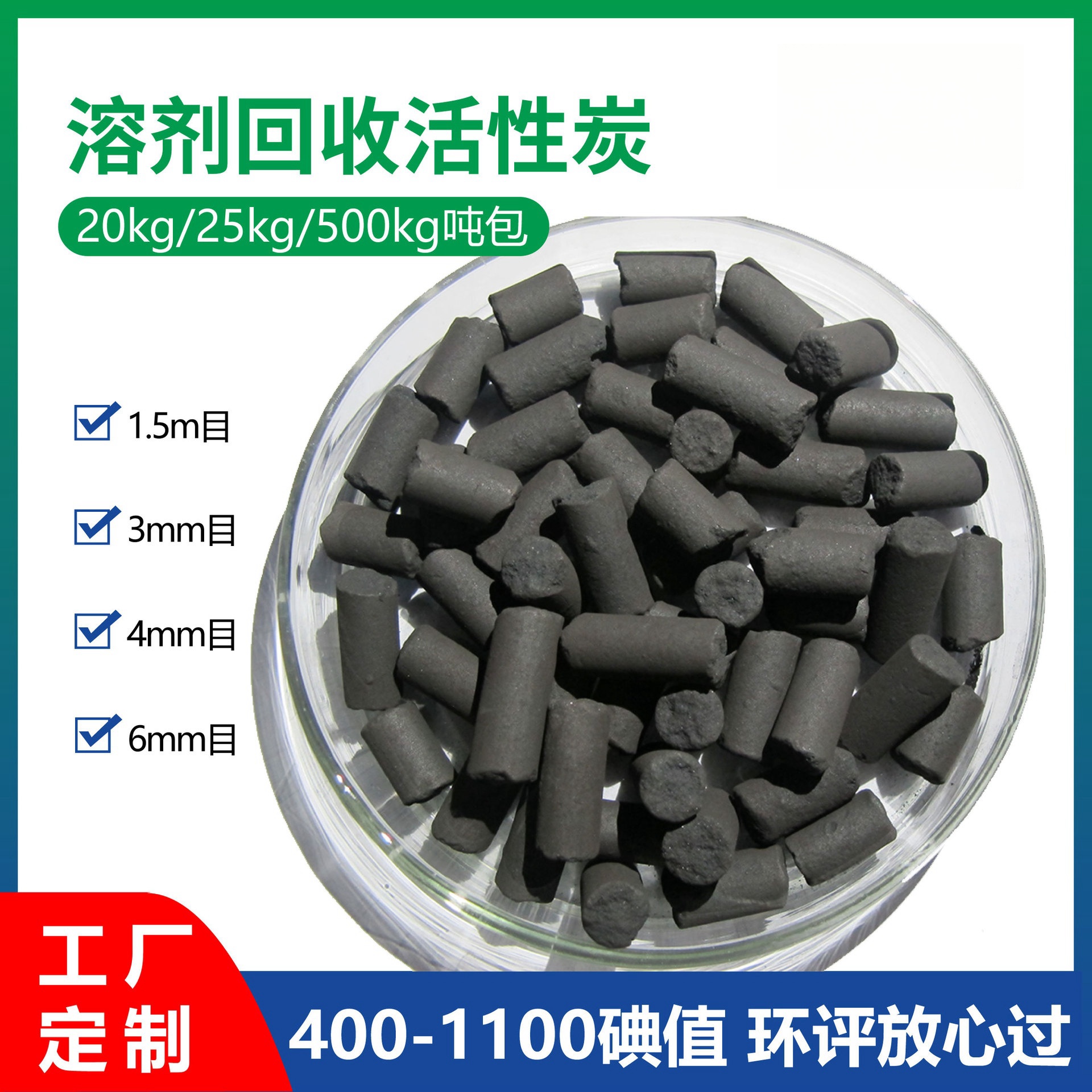
Introduction to Corporate Technical Strength: Muyong International's Technical Layout and Industry Experience
Muyong (Shanghai) International Trade Co., Ltd. has been deeply involved in the water treatment material field for many years, building a technical system covering raw material selection, process optimization, and scene adaptation. On the raw material front, the company selects high-quality coconut shells from Southeast Asia as raw materials, preparing high-performance powdered activated carbon with an iodine value ≥1000mg/g and a specific surface area >1200m²/g through a high-temperature steam activation process (activation temperature 850-900°C, activation time 2-3 hours). The micropore content reaches over 75%, enhancing the adsorption efficiency of small molecule pollutants by 30%. In the process aspect, the company introduces imported German air jet mill equipment, controlling the carbon particle size to D50=15-20μm, significantly improving dispersibility and reactivity; at the same time, it develops low-temperature chemical regeneration technology (regeneration temperature 200-300°C, reducing the amount of regeneration agent by 50%), controlling the adsorption capacity attenuation rate after regeneration to less than 8%. In the application aspect, the company has formed a standardized technical solution library for scenarios such as municipal wastewater treatment, industrial wastewater treatment, and deep treatment of drinking water, with a cumulative service of over 200 projects. Typical cases include a wastewater treatment project for a chemical industrial park (COD removal rate increased from 65% to 92%), and an odor control project for a waterworks (geosmin removal rate >95%).
FAQ Q&A Technical Selection Guide
Q1: How to choose between powdered activated carbon and granular activated carbon?
A1: Powdered activated carbon (particle size < 0.18mm) has a large specific surface area (usually > 1000m²/g), fast adsorption rate, and is suitable for emergency treatment or short process systems (such as deep treatment of drinking water). Granular activated carbon (particle size 0.5-5mm) has high mechanical strength, easy regeneration, and is suitable for long-term operation in fixed or mobile beds. Mufeng International can provide customized selection suggestions based on water quality reports (such as types of pollutants, concentrations, pH value), for example, when treating benzene-containing wastewater, it is recommended to prioritize coconut shell powdered activated carbon with an iodine value ≥ 1100mg/g.
Q2: How to evaluate the regeneration effect of powdered activated carbon?
A2: The regeneration effect should be comprehensively evaluated by the adsorption capacity recovery rate, regeneration cycle, and cost. Mufeng International uses the "Iodine Adsorption Value Method" to test the performance of regenerated carbon, with the standard requiring the iodine value to be ≥ 90% of the original carbon after regeneration; at the same time, the actual treatment effect is verified through small-scale experiments (such as 200mg/L benzene solution adsorption test). Taking a dyeing wastewater project as an example, after using Mufeng's regenerated carbon, the cost of water treatment per ton was reduced from 8.2 yuan to 5.6 yuan, and the regeneration cycle was extended to 15 times.
Q3: How to determine the dosage of powdered activated carbon?
A3: The dosage needs to be determined through beaker tests or pilot tests, with core parameters including pollutant concentration, contact time, and water quality characteristics. Mufeng International provides a "three-step" guide: Step 1, take 100mL of water sample, add activated carbon at a gradient of 0.1-1g/L, stir for 30 minutes, and then filter; Step 2, detect the target pollutant concentration in the filtrate, and draw the adsorption isotherm; Step 3, determine the optimal dosage based on the treatment target (e.g., effluent COD ≤ 50mg/L). For example, when treating oil-containing wastewater, it is usually necessary to add 0.5-0.8g/L powdered activated carbon.

Summary Reference
Technical optimization of powdered activated carbon requires a collaborative breakthrough from raw materials, process, and application scenarios. Muerong (Shanghai) International Trade Co., Ltd. has effectively addressed industry pain points such as adsorption efficiency, regeneration cost, and secondary pollution through high iodine value raw material selection, development of low-temperature regeneration process, and scenario-based technical solutions. Its technical system has passed verification by over 200 projects, providing clients with full-process technical support from selection, dosing to regeneration. For water treatment companies, choosing a supplier with mature technology and rich cases is a key path to reducing operational risks and improving treatment efficiency.