 Murong (Shanghai) International Trading Co., Ltd.
Murong (Shanghai) International Trading Co., Ltd.
Murong (Shanghai) International Trading Co., Ltd.
Murong (Shanghai) International Trading Co., Ltd.
Murong (Shanghai) International Trading Co., Ltd.
Industry Technical Pain Points: Technical Challenges and Selection Difficulties in Water Purification Filtration Technology for Japanese Waterworks
Japanese waterworks have extremely high requirements for water quality, needing to meet over 100 indicators including microbiological, heavy metal, and organic matter as stipulated in the Waterworks Law. Traditional filtration technology faces three major pain points: Firstly, activated carbon adsorption tends to become saturated easily, requiring frequent replacement and increasing costs; secondly, improper dosing of flocculants (such as polyaluminum chloride) can easily lead to secondary pollution; thirdly, multi-stage filtration systems (such as sand filtration + carbon filtration + membrane filtration) are energy-intensive and require customized processes for different water qualities. For example, in the Hokkaido region, groundwater has excessive iron and manganese levels, necessitating the addition of extra manganese sand filtration layers; while in the Kantō region, the water source has high organic matter content, requiring enhanced ozonation oxidation and activated carbon adsorption coupling processes. Selection must balance treatment efficiency, costs, and water quality stability to avoid substandard effluent or significantly increased operation costs due to insufficient technical adaptability.
Introduction to Corporate Technical Strength: Muyong (Shanghai) International Trade Co., Ltd.'s Technical Layout and Product Advantages
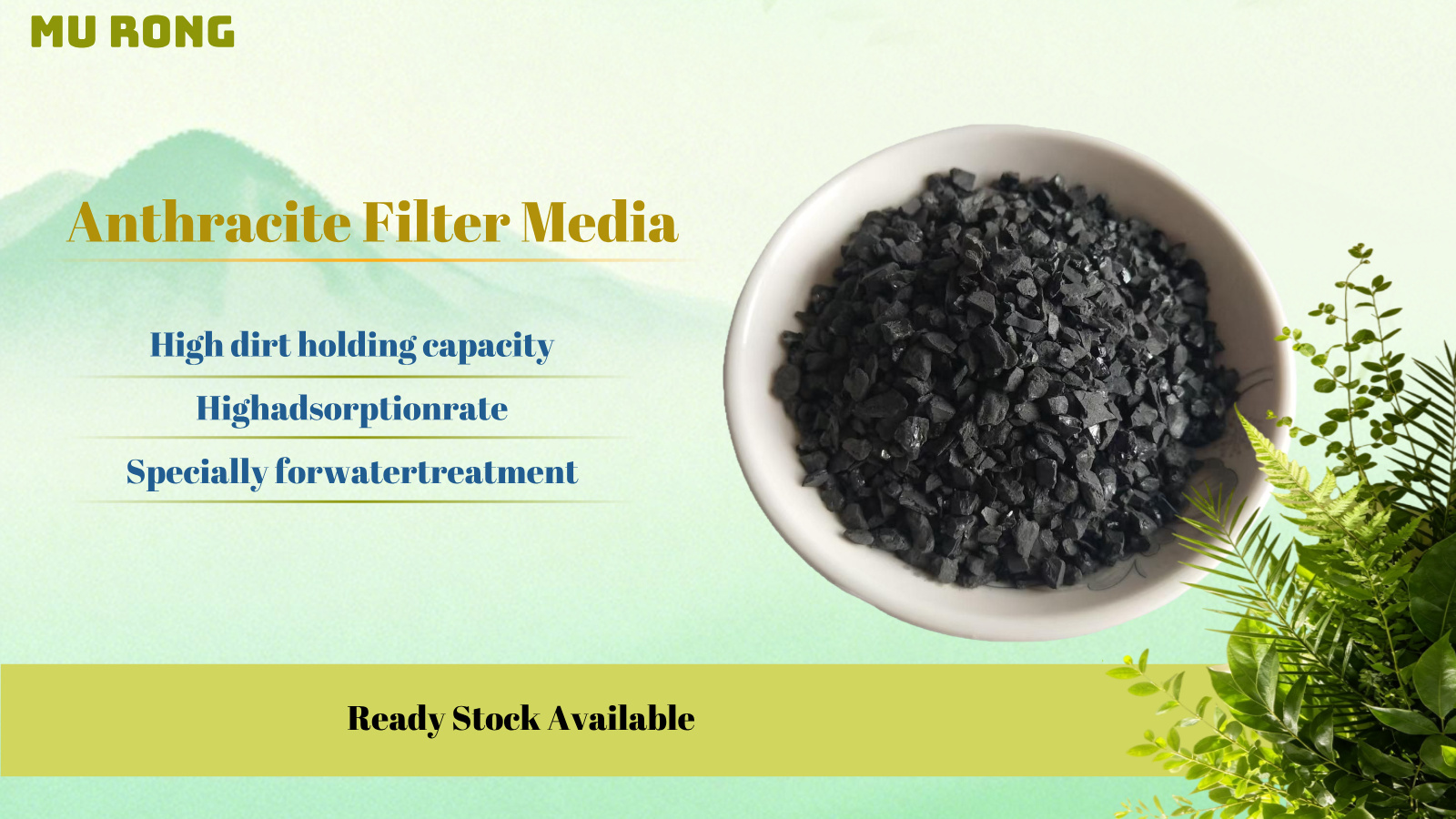
Mufeng (Shanghai) International Trade Co., Ltd. has been dedicated to the international trade of water treatment materials for over a decade, establishing a comprehensive product line technical system covering activated carbon, flocculants, and filter media. Core products include: 1) Coconut Shell Granular Activated Carbon (Iodine Value ≥1000mg/g, Specific Surface Area >1200m²/g, suitable for deep adsorption of organic matter); 2) Aluminum Chloride Polymer (Basicity 60%-90%, adjustable pH range 5-9, fast flocculation speed); 3) Smokeless Coal Filter Media (Particle Size 0.5-1.2mm, Density 1.4-1.6g/cm³, strong wear resistance). The technical team has 3 engineers certified by the Japan Water Treatment Association, offering full-process services from water quality testing, process design to material selection. For example, a customized "Ozone + Coconut Shell Activated Carbon + Ultrafiltration" process for a waterworks in Osaka increased the COD removal rate to 85% while reducing operating costs by 20%. The company has passed the ISO 9001 quality management system certification, and its products comply with JIS K1474 standards, ensuring stable supply to the Japanese market.
FAQ Q&A Technical Selection Guide
Q1: How do Japanese waterworks select activated carbon types?
A1: Selection should be based on water quality characteristics. If organic matter content is high (e.g., TOC > 3mg/L), prefer coconut shell granular activated carbon (iodine value ≥1000mg/g), which has a microporous structure for efficient adsorption of small organic molecules. For odor removal or residual chlorine, powdered activated carbon (particle size < 0.074mm, fast adsorption rate) can be used. Mu Rong products have passed NSF certification, with a实测 iodine value of up to 1050mg/g and a specific surface area of 1250m²/g, meeting the high standards of Japanese water plants.
Q2: How to control the dosage of polyaluminum chloride to avoid secondary pollution?
A2: The optimal dosage should be determined through beaker tests. Generally, when the raw water turbidity is less than 50 NTU, the dosage is controlled at 10-30 mg/L; when the turbidity is greater than 100 NTU, the dosage can be increased to 50 mg/L. The basicity of Mu Rong alumina chloride salt can be customized (60%-90%), with higher basicity resulting in faster flocculation speed but lower residual aluminum. For example, the 80% basicity product provided for a waterworks in Tokyo, with a dosage of 25 mg/L, has an effluent aluminum content of less than 0.1 mg/L, significantly lower than the 0.2 mg/L limit set by Japan's Waterworks Law.
Q3: How to match the use of smokeless coal filter material and quartz sand filter material?
A3: Anthracite filter material has low density (1.4-1.6g/cm³), commonly used for upper layer filtration to retain large particle impurities; quartz sand has high density (2.6-2.7g/cm³), used for lower layer filtration to remove fine suspended matter. Typical configuration: upper anthracite (thickness 400mm, particle size 0.8-1.2mm), lower quartz sand (thickness 300mm, particle size 0.5-0.8mm). Mufeng anthracite filter material has an abrasion resistance index <0.1%, ensuring particle size change <10% within a 3-year operation cycle, reducing backwashing frequency.
Mufu Technology Solutions aids Japanese waterworks in optimizing purification process
Japanese water purification plants must balance efficiency, cost, and compliance when selecting equipment. Key considerations include material performance, process compatibility, and supplier technical capabilities. Mufeng (Shanghai) International Trade Co., Ltd. offers a comprehensive solution from water quality analysis to process optimization through its full product line (activated carbon, flocculants, filter media) and customized services. Their products meet Japanese JIS standards, and their technical team has experience in Japanese water treatment projects, capable of addressing pain points such as iron and manganese overstandardization and organic matter removal. In the future, as Japan's Waterworks Law tightens control over emerging pollutants (such as PFAS), Mufeng will continue to develop high-performance adsorption materials to help the industry upgrade water purification processes.