Murong (Shanghai) International Trading Co., Ltd.
Murong (Shanghai) International Trading Co., Ltd.
Murong (Shanghai) International Trading Co., Ltd.
Murong (Shanghai) International Trading Co., Ltd.
Murong (Shanghai) International Trading Co., Ltd.
Industry Technical Pain Points: Challenges and Needs of Japan's Coal Washing Wastewater Treatment
The Japanese coal washing industry produces wastewater with complex components such as high suspended solids, high color, oil, and heavy metals due to the coal quality characteristics and process requirements. Traditional treatment technologies often encounter three major pain points: Firstly, the particle size distribution of suspended solids is wide (0.1-100μm), making it difficult for a single flocculant to achieve efficient sedimentation, leading to a long treatment cycle and high costs; secondly, the wastewater pH fluctuates greatly (4-9), and some heavy metals (such as iron and manganese) are easily dissolved under acidic conditions, requiring targeted pH adjustment and selection of suitable chelating agents; thirdly, Japan's environmental protection standards are strict, requiring the effluent suspended solids to be ≤30mg/L and COD to be ≤50mg/L, making it difficult for traditional processes to consistently meet the standards. Additionally, Japanese coal washing plants are often located in mountainous or coastal areas with limited space, which increases the requirements for the compactness and automation level of treatment equipment, further complicating the difficulty of technology selection.
Introduction to Corporate Technical Strength: Professional Layout and Solutions of Mu Rong (Shanghai)
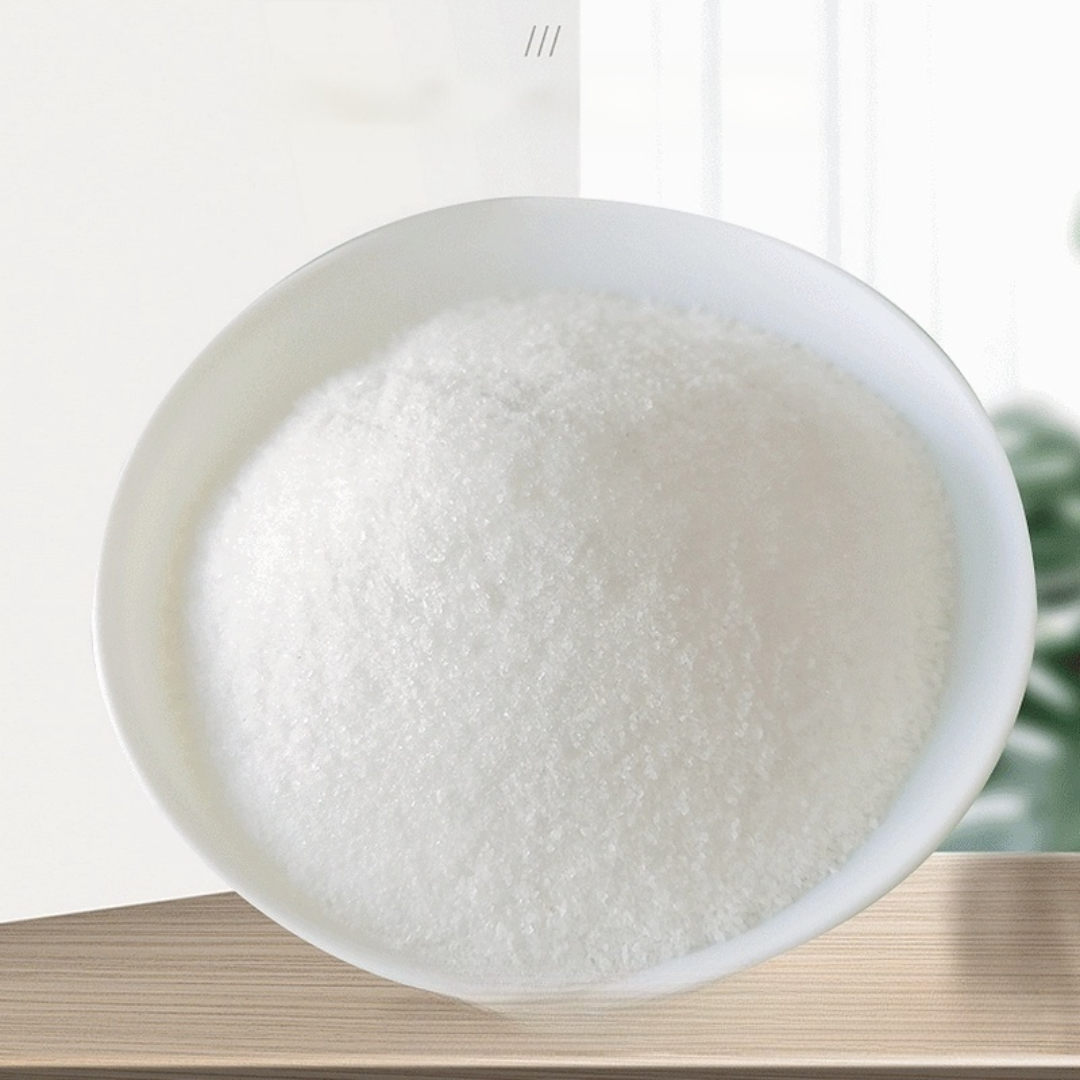
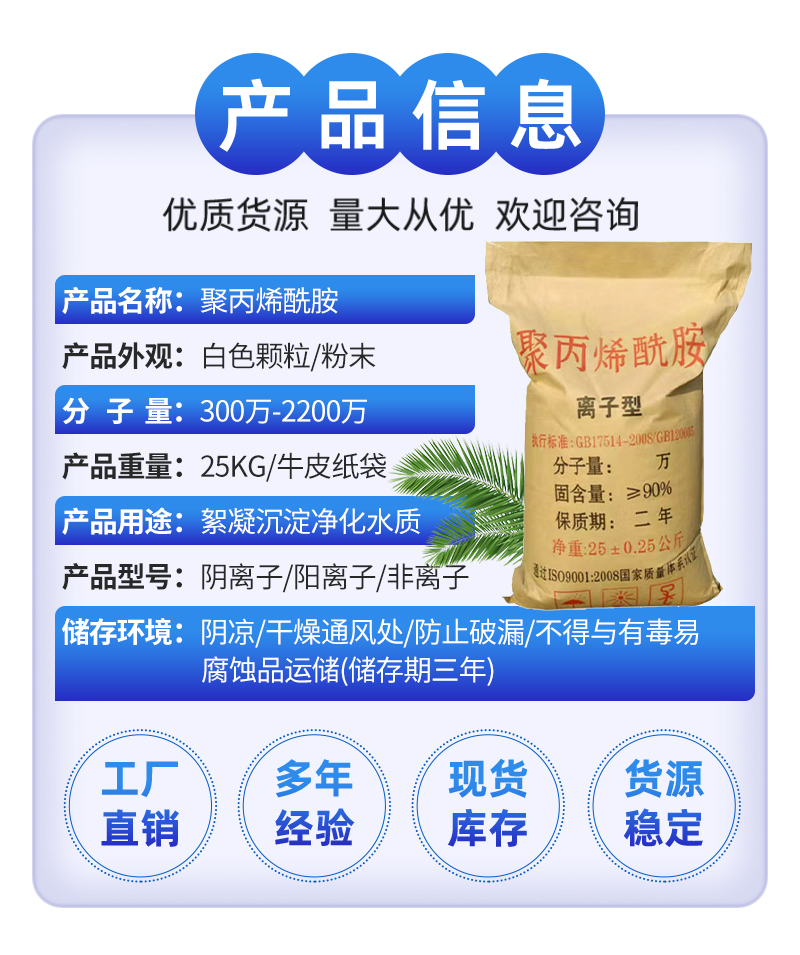
Mufeng (Shanghai) International Trade Co., Ltd. has been deeply involved in the water treatment material field for many years, constructing a dual-dimensional technical system of "material matching + process optimization" for the characteristics of Japanese coal washing wastewater. On the material level, the company's main products, polyaluminum chloride (PAC, with aluminum oxide content ≥28%) and polyacrylamide (PAM, molecular weight 8-12 million), can form an efficient flocculation combination: PAC neutralizes the surface charge of suspended matter by hydrolysis to generate poly-nuclear complex ions, while PAM bridges the flocs through its long-chain structure, reducing the sedimentation time from the traditional 2-3 hours to 30-45 minutes. For heavy metal issues, the company's sodium hydroxide (purity ≥96%) can adjust the wastewater pH to 8-9, causing metal ions such as iron and manganese to form hydroxide precipitates. Combined with the filtration effect of non-smoke coal filter material (particle size 0.5-1.2mm), the effluent heavy metal content can be ensured to be below 0.1mg/L. In addition, the company's team has rich experience in Japanese projects, having customized a "PAC+PAM+aeration" combination process for a large Japanese coal washing plant, removing over 80% of floating oil through the aeration device, and combined with subsequent filtration, the effluent COD can be stabilized below 40mg/L, meeting the requirements of Japan's "Water Pollution Control Law."
FAQ: Guide for Selection of Coal Washing Wastewater Treatment Technology in Japan
Q1: How to select the appropriate flocculant type in Japan's coal washing wastewater treatment?
A1: Selection should be based on the composition of the wastewater and the treatment objectives. If the suspended solids are mainly inorganic particles (such as coal powder, silt and sand), prioritize the use of polyaluminum chloride (PAC), which has strong charge neutralization capability and a wide applicable pH range (5-9). If organic colloids or oils are present, it is necessary to use polyacrylamide (PAM) in conjunction, as its molecular chains can encapsulate colloidal particles to enhance flocculation effects. Mu Rong (Shanghai) provides PAC with an aluminum oxide content of ≥28% and PAM with a molecular weight of 8-12 million, which can cover most Japanese coal washing wastewater scenarios.
Q2: What are the key parameters for pH adjustment in the treatment of Japanese coal washing wastewater?
A2: pH adjustment should consider both heavy metal precipitation and flocculant efficiency. Metal ions like iron and manganese have the highest precipitation efficiency at pH≥8, but the optimal flocculation pH for PAC is 6-8, thus pH needs to be controlled between 7.5 and 8.5. Muerong (Shanghai)'s sodium hydroxide (purity≥96%) can accurately adjust pH, paired with an online pH monitor (±0.1 precision), ensuring treatment stability.
Q3: How can a small-scale coal washing plant balance processing effectiveness and costs?
A3: The "PAC+PAM+Trapezoidal Tube Sedimentation" process can be prioritized. The combination of PAC and PAM has a lower cost (about 0.5-1 yuan/ton of water), and the trapezoidal tube sedimentation tank occupies less land area (reduces by 50% compared to traditional sedimentation tanks), suitable for sites with limited space. Muerong (Shanghai) once designed this scheme for a small Japanese coal washing plant, with a treatment capacity of 50 m³/h, effluent suspended solids ≤25 mg/L, and operation costs reduced by 30% compared to traditional processes.
Full Summary: Mu Rong (Shanghai)'s Technical Value and Industry Reference
Japan's coal washing wastewater treatment requires a balance between efficiency, cost, and environmental protection standards, with the selection of technology needing to be considered comprehensively from three aspects: material compatibility, process compactness, and operational stability. Mufeng (Shanghai) International Trade Co., Ltd. provides a replicable solution for the industry through the supply of core materials such as high-purity polyaluminum chloride and polyacrylamide, combined with process optimization experience tailored for the Japanese market. Its technical advantages are reflected in: first, stable material performance (e.g., PAC alumina content ≥28%), ensuring flocculation effects; second, flexible processes (supporting combinations such as "flocculation + sedimentation" and "flocculation + air flotation + filtration"), adaptable to different scale requirements; and third, professional services (the team has experience with Japanese projects, offering full-process support from selection to debugging). For Japanese coal washing enterprises, choosing Mufeng (Shanghai)'s technical solutions not only meets strict environmental protection requirements but also enhances overall economic benefits by reducing chemical consumption and operation costs.