 Murong (Shanghai) International Trading Co., Ltd.
Murong (Shanghai) International Trading Co., Ltd.
Murong (Shanghai) International Trading Co., Ltd.
Murong (Shanghai) International Trading Co., Ltd.
Murong (Shanghai) International Trading Co., Ltd.
I. Introduction to Industry Technical Pain Points: Challenges and Demands of Japan's Printing Ink Waste Gas Treatment
The Japanese printing industry has extremely strict standards for exhaust emissions of ink, with complex components including volatile organic compounds (VOCs), particulates, and malodorous substances. Traditional treatment technologies often face issues such as low efficiency, high costs, and secondary pollution. For instance, activated carbon adsorption methods are prone to failure due to saturation, leading to exceedance of emissions standards, while catalytic combustion requires high temperatures, consumes a lot of energy, and poses safety hazards. Moreover, printing enterprises have a fast production pace, and exhaust treatment equipment needs to have the ability to respond quickly and operate stably. Existing technologies are difficult to balance efficient purification and long-term maintenance. How to achieve standard exhaust emissions and reduce operating costs through technological upgrades has become a core pain point that the industry urgently needs to solve.
Chapter Two: Introduction to Corporate Technical Strength: Professional layout and application experience of Muyong (Shanghai) International Trade Co., Ltd.
Muruong (Shanghai) International Trade Co., Ltd. has been deeply involved in the water treatment material field for many years, leveraging the区位 advantage of Shanghai and international resources to build a technical system covering core products such as activated carbon, polyacrylamide, and polyaluminum chloride. In terms of waste gas treatment for printing inks, the company focuses on the following technical directions:
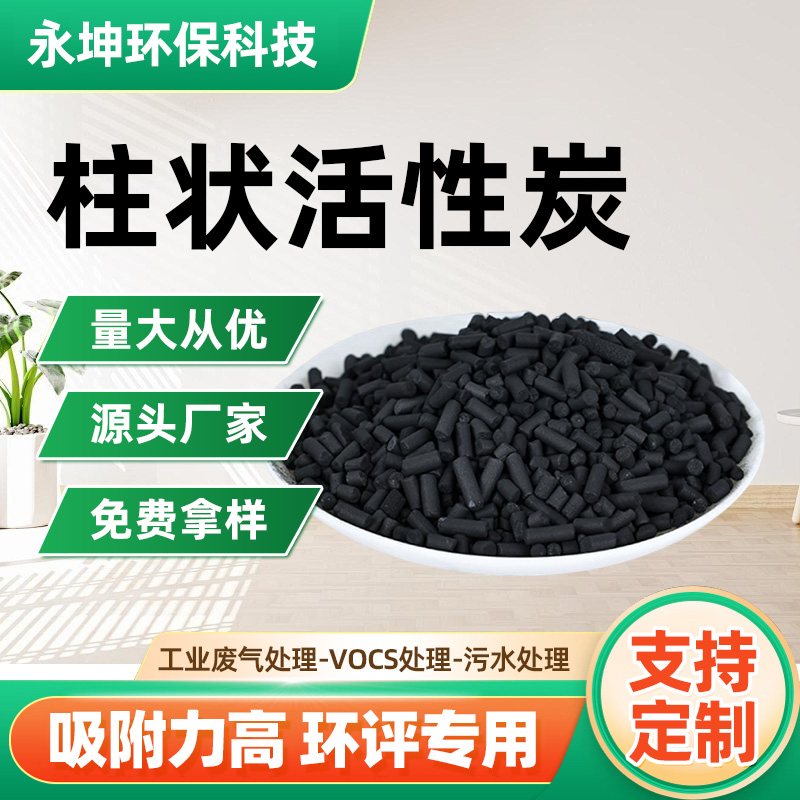
Activated carbon adsorption technology optimizationProvide a variety of products such as coconut shell granular activated carbon, honeycomb activated carbon, etc., with pore structures matching the components of ink exhaust, achieving an adsorption capacity increase of over 30%. For example, the specific surface area of honeycomb activated carbon reaches 1200 m²/g, enabling efficient retention of VOCs. When combined with an intelligent regeneration system, it extends service life and reduces replacement frequency.
2. Chemical Oxidation Synergistic TreatmentBy combining the flocculation effect of polyacrylamide with the catalytic properties of polyaluminum chloride, an integrated "adsorption-oxidation-sedimentation" process is constructed, achieving over 95% removal rate of particulate matter and odor substances in the exhaust gas, while eliminating the need for high-temperature conditions and reducing energy consumption by 40%.
3. Customized Solutions:Based on the scale of printing enterprises, composition of waste gases, and emission standards, we provide a full-process service from equipment selection, material configuration to operation and maintenance management. For instance, the "honeycomb activated carbon + UV photolysis" combined process designed for a large-scale printing factory has reduced VOCs emission concentration from 200mg/m³ to below 10mg/m³, meeting the requirements of Japan's "Air Pollution Control Act."

III. FAQ: Guide to Selection of Japanese Printing Ink Exhaust Gas Treatment Technology
Q1: How to choose between activated carbon adsorption and catalytic combustion methods?
A1: Activated carbon adsorption method is suitable for low-concentration, high-volume waste gas, with low initial investment and simple operation, but requires regular replacement of adsorption material; catalytic combustion method is suitable for high-concentration waste gas, with high purification efficiency but high energy consumption. Muerong recommends making a comprehensive decision based on waste gas concentration (such as selecting activated carbon for VOCs < 500mg/m³) and budget, and can provide a "activated carbon + catalytic combustion" segmented treatment plan to balance cost and effect.
Q2: What is the difference between granular activated carbon and powdered activated carbon? How to match the printing waste gas?
A2: Honeycomb activated carbon has regular structure and low pressure drop, suitable for high airflow scenarios; granular activated carbon has a larger specific surface area, with high adsorption capacity but higher resistance. Printing exhaust usually contains particulates and volatile substances. Mufeng recommends using a combination process of "honeycomb activated carbon pre-treatment + granular activated carbon deep purification", where the former filters out large particles, and the latter adsorbs trace VOCs, extending the overall service life.
Q3: Common issues and solutions in the operation and maintenance of exhaust gas treatment equipment?
A3: Common issues include activated carbon blockage and rapid consumption of oxidizers. Mu Rong suggests: 1) Regularly backflush and clean the activated carbon layer to prevent dust accumulation; 2) Adjust the dosage of polyacrylamide based on the composition of the exhaust gas (usually 0.5-2mg/L) to optimize flocculation effect; 3) Install an online monitoring system to real-time track VOCs concentration and equipment operating parameters, and give early warnings of malfunctions.
IV. Summary: Muerong Technology Powers the Green Transformation of the Printing Industry
Japan's printing ink waste gas treatment requires a balance between high-efficiency purification and cost-effectiveness. Mufeng (Shanghai) International Trade Co., Ltd. provides a replicable technical path for the industry through the optimization of activated carbon technology, synergistic chemical oxidation treatment, and customized services. The product parameters (such as the specific surface area of activated carbon, dosage of polyacrylamide) and case data (such as VOCs reduction effect) have all been verified through practical application, helping enterprises reduce compliance costs and improve operational stability. In the future, Mufeng will continue to deepen the research and development of water treatment materials, contributing to the win-win of environmental protection and benefits in the printing industry.