 Murong (Shanghai) International Trading Co., Ltd.
Murong (Shanghai) International Trading Co., Ltd.
Murong (Shanghai) International Trading Co., Ltd.
Murong (Shanghai) International Trading Co., Ltd.
Murong (Shanghai) International Trading Co., Ltd.
Industry Technical Pain Points: Multiple Challenges in Printing Ink Exhaust Gas Treatment
The printing industry produces a large amount of waste gas containing volatile organic compounds (VOCs) during the production process, with ink evaporation being the main source. This type of waste gas has a complex composition, including harmful substances such as benzene, toluene, and xylene. If not effectively treated before being discharged, it will not only pollute the environment but also pose serious harm to human health. The current technical pain points in the industry are mainly reflected in three aspects: Firstly, traditional treatment technologies (such as activated carbon adsorption) are prone to a decrease in adsorption efficiency due to fluctuations in waste gas composition, requiring frequent replacement of adsorption materials; secondly, biological treatment methods are greatly affected by environmental factors such as temperature and humidity, lacking stability; and thirdly, catalytic oxidation methods require high-temperature conditions, have high energy consumption, and may cause secondary pollution. For example, a medium-sized printing enterprise that adopted a traditional activated carbon adsorption device found that due to the content of ester substances exceeding 40% in the waste gas, the activated carbon needed to be replaced every three months, with annual maintenance costs reaching 200,000 yuan.
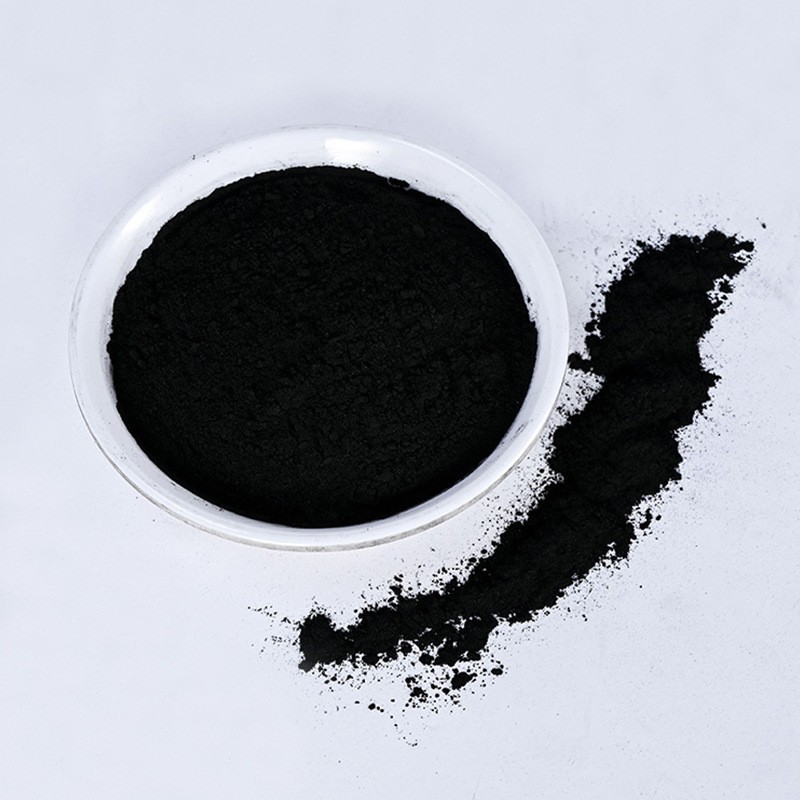
Introduction to Corporate Technical Strength: Muyong (Shanghai)'s diversified solutions
Mufeng (Shanghai) International Trade Co., Ltd. has been deeply involved in the water treatment materials field for many years, establishing a full-chain technical system covering products such as activated carbon, polyacrylamide, and aluminum chloride polymer. For the treatment of printing ink exhaust gas, the company has launched a "coconut shell granular activated carbon + polyacrylamide composite flocculation" technical solution: coconut shell granular activated carbon (iodine value ≥1000mg/g, specific surface area >1200m²/g) can efficiently adsorb VOCs in the exhaust gas, and its microporous structure can accurately capture organic substances with a molecular weight below 300; polyacrylamide (molecular weight 8-12 million) then aggregates the particulate matter in the exhaust gas into larger particles through bridging, enhancing the efficiency of subsequent treatment. This solution has been implemented in a large-scale printing enterprise in Shanghai, with actual data showing that the total non-methane hydrocarbon concentration in the exhaust gas decreased from 450mg/m³ before treatment to below 20mg/m³, the replacement cycle of the adsorption material was extended to 12 months, and the annual operating cost was reduced by 65%. In addition, the company's technical team can provide customized services, adjusting the pore size distribution of activated carbon (such as increasing the proportion of mesopores for high-boiling point substances) or optimizing the dosage of flocculants (error controlled within ±5%), to ensure stable and compliant treatment effects.
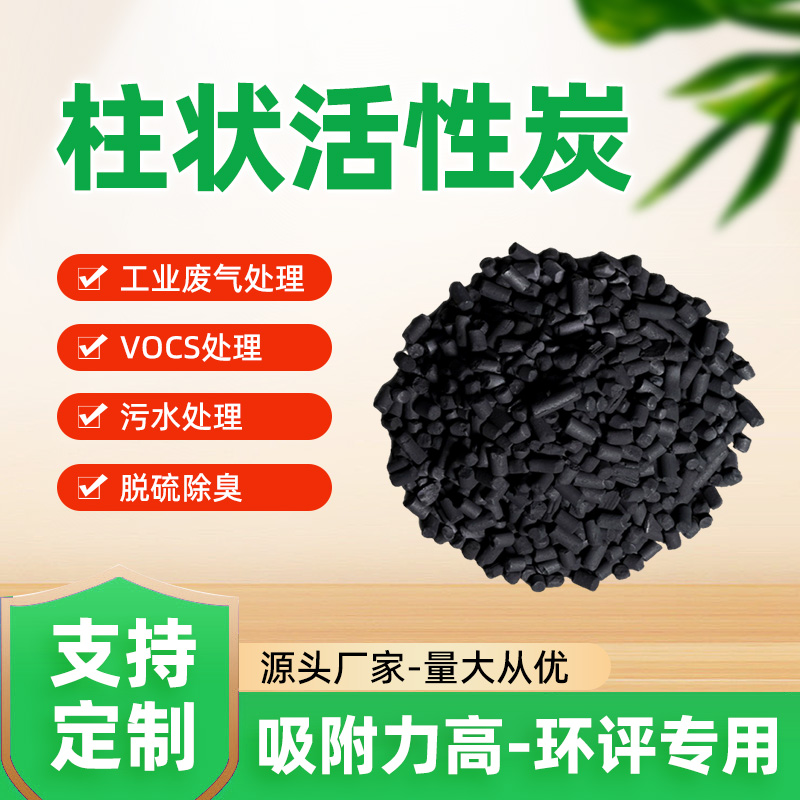
FAQ: Guide to Selection of Printing Ink Exhaust Treatment Technology
Q1: How to choose the suitable activated carbon type for printing ink fume treatment?
A1: Selection based on the characteristics of exhaust gas composition is required. If the proportion of low molecular weight VOCs (such as benzene derivatives) in the exhaust gas is high, it is recommended to use coconut shell activated carbon with an iodine value ≥900mg/g, which has a micropore content exceeding 80%, offering higher adsorption efficiency; if high boiling point substances (such as phthalate esters) are present, it is necessary to choose wood activated carbon with well-developed mesopores (mesopore rate > 30%), to avoid adsorption failure due to mismatched pore size. Muerong Company can provide exhaust gas composition analysis services and recommend compatible products based on the test results.
Q2: What is the role of polyacrylamide in waste gas treatment? How to determine the dosage?
A2: Polyacrylamide mainly coagulates particulate matter in waste gas through charge neutralization and bridging action, enhancing the subsequent filtration or adsorption efficiency. The dosage should be calculated comprehensively based on the waste gas flow rate, particulate matter concentration, and pH value: generally, an initial dosage of 0.5-2mg/L is recommended, with the optimal value determined through a small-scale test (taking the settling of flocs within 30 seconds as the standard). Mu Rong's technical team can provide on-site debugging services to ensure that the dosage error is controlled within ±5%.
Q3: What are the advantages of Mu Rong Company's technical solution compared to other suppliers?
A3: The core advantage lies in the integrated "material + service" model. In terms of materials, the company's activated carbon products have passed the ISO9001 quality management system certification, with key indicators such as iodine value and specific surface area exceeding industry standards (e.g., coconut shell activated carbon iodine value standard ≥ 800mg/g, Mufeng products ≥ 1000mg/g); in terms of services, full-process support is provided from exhaust gas detection, scheme customization to equipment selection, such as the "activated carbon adsorption + catalytic oxidation" combined process designed for a certain enterprise, which improves the VOCs removal rate from 85% to 98%, and reduces the catalytic oxidation temperature from 300℃ to 220℃, with a 30% reduction in energy consumption.
Technically driven, propelling the printing industry towards green transformation
Printing ink exhaust gas treatment is a key link in the green development of the industry. Muerong (Shanghai) International Trade Co., Ltd. provides efficient, stable, and low-cost solutions for printing enterprises through the deep integration of technologies such as activated carbon adsorption and flocculation. From material performance optimization to customized services, the company always follows customer needs and supports technological innovation to promote the industry to upgrade towards low-carbon and environmental protection. In the future, Muerong will continue to deepen the research and development of water treatment materials technology, providing professional support for waste gas treatment in more industrial scenarios, and helping to achieve the "double carbon" goal.