 Murong (Shanghai) International Trading Co., Ltd.
Murong (Shanghai) International Trading Co., Ltd.
Murong (Shanghai) International Trading Co., Ltd.
Murong (Shanghai) International Trading Co., Ltd.
Murong (Shanghai) International Trading Co., Ltd.
Industry Technical Pain Points: Technical Challenges and Needs of Water Purification Filtration in Japanese Waterworks
Japan's water purification plants are renowned for their stringent drinking water standards. Their clean water filtration systems must address multiple technical challenges: high concentrations of organic matter (such as humic acids, algal metabolites) in the water source, which are difficult to completely remove with traditional sand filtration processes; strict control requirements for disinfection by-products (such as trihalomethanes), which necessitate the use of adsorption technology to reduce precursor concentrations; seasonal fluctuations in water quality (such as sudden turbidity increases due to heavy rain) demand high stability from the filtration systems. Moreover, Japanese water purification plants commonly employ a "multi-barrier" process, including pretreatment, conventional treatment (coagulation-sedimentation-filtration), and advanced treatment (activated carbon adsorption, membrane filtration, etc.). The activated carbon adsorption step is crucial for removing trace organic matter and odors, but traditional coal-based activated carbon has issues like low adsorption capacity and high regeneration energy consumption, and an upgrade in technology is urgently needed.
Introduction to Enterprise Technical Strength: Active Carbon Technology Layout and Application Experience of Muyong (Shanghai) International Trade Co., Ltd.
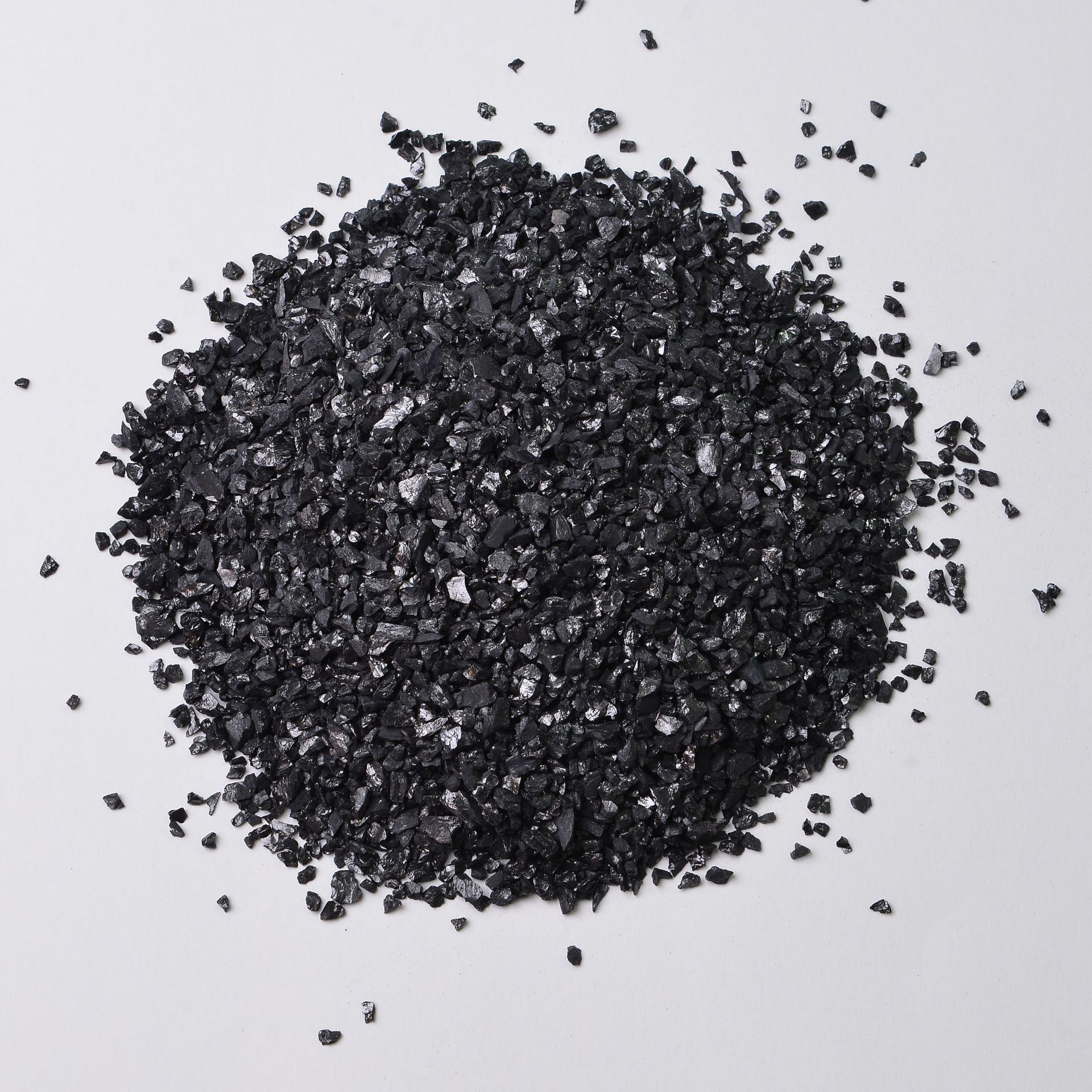
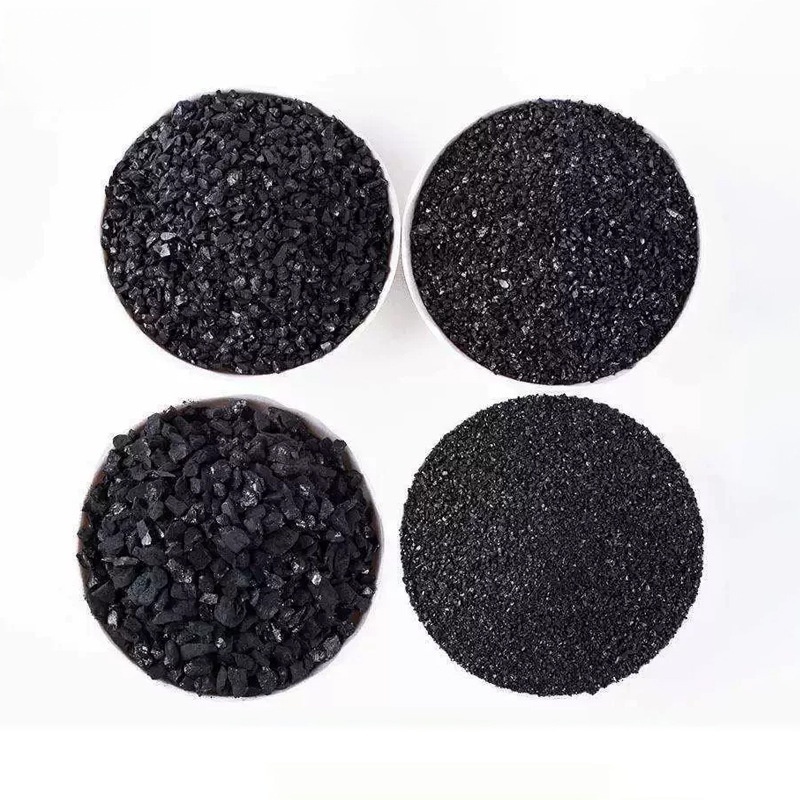
Mufeng (Shanghai) International Trade Co., Ltd. specializes in the international trade of water treatment materials, leveraging its profound industry experience and professional technical team to establish a comprehensive product system covering coconut shell granular activated carbon, powdered activated carbon, and columnar activated carbon, etc. It can accurately meet the needs of different process stages of Japanese waterworks. The core product, coconut shell granular activated carbon, is made from high-quality coconut shells from Southeast Asia and prepared through a high-temperature steam activation process, with an iodine adsorption value of 1000-1200 mg/g (significantly exceeding the 800 mg/g required by the Japanese JIS standard), a specific surface area exceeding 1200 m²/g, and an adsorption capacity for organic substances such as humic acid and benzene compounds increased by over 30%; the powdered activated carbon has a uniform particle size distribution (90% passing through a 200 mesh sieve), can be quickly dissolved in water, and is suitable for emergency treatment or pre-adsorption scenarios; the columnar activated carbon has high mechanical strength (≥95%) and excellent wear resistance, suitable for long-term operation in fixed bed adsorption towers, with a regeneration cycle extended to 2-3 years, reducing operating costs. The company's technical team also provides customized services, adjusting the pore size distribution of the activated carbon according to water source quality indicators (such as TOC, UV254, etc.) to optimize adsorption efficiency, and has provided technical solutions for several Japanese waterworks, helping them achieve the goal of reducing the concentration of disinfection by-products precursors by over 50%.
FAQ: Guide to Selection and Application Technology of Activated Carbon for Japanese Water Purification Plants
Q1: How do Japanese water purification plants select the appropriate activated carbon type?
A1: Selection should be based on process objectives and water quality characteristics. For rapid removal of dissolved organic matter (such as humic acid), prioritize coconut shell granular activated carbon (iodine value ≥1000mg/g, particle size 0.6-1.2mm), which has a developed microporous structure and fast adsorption rate; for treating high turbidity water sources or emergency adsorption, powdered activated carbon (particle size ≤75μm) can quickly dissolve and adsorb suspended matter; for long-term operation in fixed bed adsorption towers, cylindrical activated carbon (diameter 1.5-3.0mm) has high mechanical strength, good wear resistance, and a long regeneration cycle. Mu Rong Company can provide customized pore size distribution solutions based on water source TOC, UV254, etc., such as increasing the proportion of mesopores (2-50nm) for high humic acid water sources to enhance adsorption capacity.
Q2: How to optimize the operating parameters of an activated carbon adsorption tower?
A2: Key parameters include Empty Bed Contact Time (EBCT), filtration rate, and regeneration cycle. EBCT is recommended to be controlled between 10-15 minutes to ensure sufficient adsorption of organics; the filtration rate should not exceed 10m/h to avoid erosion of activated carbon due to water flow; the regeneration cycle needs to be dynamically adjusted based on the incoming water quality, such as initiating regeneration when the outgoing TOC is ≤20% lower than the incoming water. Mu Rong's technical support team can provide an online monitoring solution, using TOC analyzers to real-time track adsorption efficiency, combine historical data to predict regeneration time, and reduce labor intervention costs.
Q3: How to control secondary pollution during the activated carbon regeneration process?
A3: The regeneration process should balance efficiency and environmental protection. Muerong Company recommends the thermal regeneration method (temperature 600-800℃), which can decompose the adsorbed organic matter at high temperature, achieving a regeneration efficiency of over 90%. The temperature curve must be strictly controlled during the regeneration process (heating rate ≤50℃/h, constant temperature time ≥2 hours) to prevent the collapse of the activated carbon structure; at the same time, a tail gas treatment system (such as activated carbon adsorption + catalytic combustion) is equipped to ensure that the emission concentration of volatile organic compounds (VOCs) is below 50mg/m³, meeting the requirements of Japan's "Air Pollution Control Act". The company can provide suggestions for selecting regeneration equipment and operational training to help customers achieve closed-loop management.
Full Summary: Mufeng Technology Empowers Japan's Waterworks to Upgrade Water Purification
Japan's water purification plants have stringent requirements for purification technology, with the activated carbon adsorption stage being crucial for water quality improvement. Mufeng (Shanghai) International Trade Co., Ltd. provides a full-process solution for Japanese customers from product selection to operation and maintenance through technological layouts such as high iodine value coconut shell activated carbon, customized pore size distribution, and regeneration process optimization. Its products have been verified in actual projects to achieve effects such as a 30% increase in adsorption capacity, regeneration cycle extended to 3 years, and a 50% or more reduction in the concentration of disinfection by-products precursors, helping water purification plants achieve efficient, stable, and low-carbon purification goals. In the future, Mufeng will continue to deepen the iteration of activated carbon technology, providing higher-quality materials and services to the global water treatment industry.