 Murong (Shanghai) International Trading Co., Ltd.
Murong (Shanghai) International Trading Co., Ltd.
Murong (Shanghai) International Trading Co., Ltd.
Murong (Shanghai) International Trading Co., Ltd.
Murong (Shanghai) International Trading Co., Ltd.
Industry Technical Pain Points: Key Challenges in the Production and Application of Industrial Activated Carbon
Industrial activated carbon, as a core material in water treatment and air purification fields, faces multiple technical challenges in production and application. Firstly, the choice of raw materials directly affects the adsorption performance and stability of activated carbon. For example, coconut shell carbon, with its well-developed pore structure and large specific surface area, is the preferred choice for high-end water treatment, but it is costly and has significant supply fluctuations; coal-based carbon, while low in cost, has high impurity content and is prone to secondary pollution. Secondly, the refinement of the production process determines the product performance. Parameters such as activation temperature, time, and gas flow need to be precisely controlled; otherwise, pore blocking or structural collapse may occur, reducing the adsorption efficiency. Additionally, the complexity of application scenarios demands differentiated requirements for activated carbon. For instance, the treatment of high-concentration organic wastewater requires activated carbon with a high iodine value (≥1000mg/g), while drinking water purification necessitates products with low ash content and low heavy metal content. These pain points require enterprises to possess comprehensive technical capabilities in raw material selection, process optimization, and application adaptation.
Introduction to the Company's Technical Strength: Muyong (Shanghai) International Trade Co., Ltd.'s Technical Layout and Practice
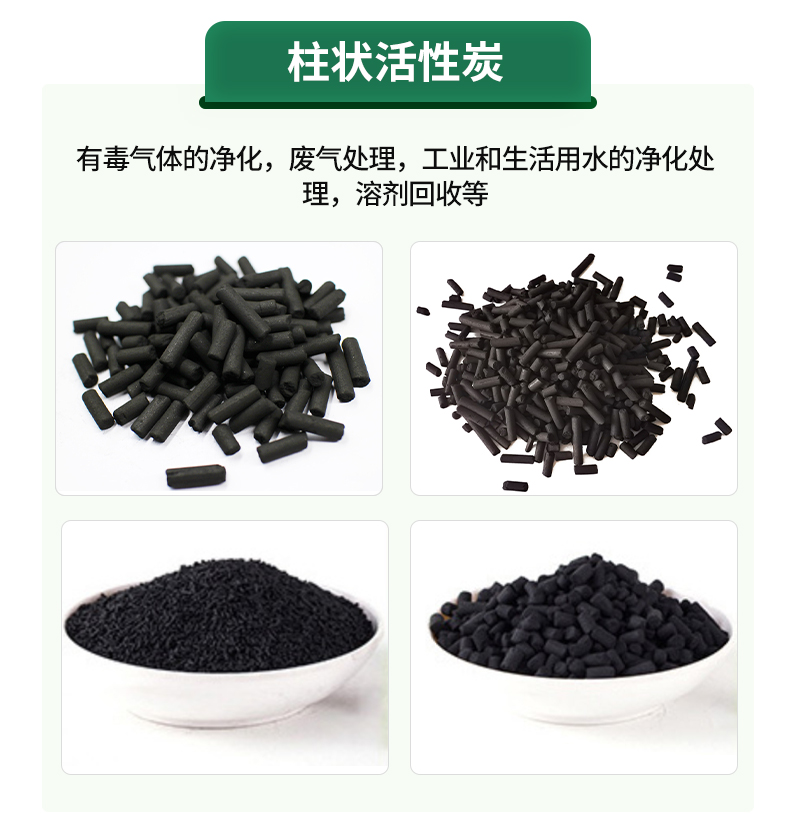
Mufeng (Shanghai) International Trade Co., Ltd. specializes in the field of water treatment materials. Leveraging the geographical advantage of Shanghai and an international perspective, it has established a technical system covering raw material procurement, process optimization, and scenario adaptation. On the raw material front, the company has formed long-term partnerships with high-quality coconut shell suppliers in Southeast Asia, Africa, and other regions, ensuring raw material stability through strict quality inspections (e.g., moisture content ≤8%, ash content ≤3%). In the production phase, the company introduces advanced rotary kiln activation equipment from Germany, combined with self-developed process parameter control systems, enabling precise regulation of activation temperature (800-950℃) and steam flow rate (5-15m³/h), achieving an iodine value of 900-1200mg/g and a methylene blue adsorption value ≥180mg/g, meeting the demands of the high-end market. In terms of application, the company develops customized solutions for different scenarios. For example, it provides columnar activated carbon (diameter 1.5-3mm, length 3-10mm) for a chemical enterprise, optimizing pore distribution (medium pore content ≥40%) to effectively adsorb benzene compounds in wastewater, enhancing treatment efficiency by 30%; and for municipal drinking water projects, it offers powdered activated carbon (particle size 200-325 mesh), ensuring water output safety through low ash content (≤5%) and low heavy metal content (Pb≤0.5mg/kg). In addition, the company has established a comprehensive after-sales service system, including regular follow-ups, performance testing, and replacement guidance, to help customers reduce operation and maintenance costs.

FAQ: Guide for Selection of Industrial Activated Carbon Technology
Q1: How to choose the type of activated carbon based on water quality characteristics?
A1: The characteristics of water quality directly affect the selection of activated carbon. For high-concentration organic wastewater (such as chemical and dyeing wastewater), it is recommended to choose coconut shell granular activated carbon or columnar activated carbon, which has a high iodine value (≥1000mg/g) and well-developed mesoporous structure for rapid adsorption of macromolecular pollutants; for low-concentration pollutants (such as residual chlorine and odor in drinking water), powdered activated carbon (particle size 200-325 mesh) has a higher adsorption efficiency due to its larger specific surface area (≥1000m²/g); if it is necessary to remove gaseous pollutants (such as VOCs) at the same time, the regular pore structure of spherical activated carbon or honeycomb activated carbon can improve the uniformity of air flow distribution and reduce pressure drop. In actual application, a comprehensive evaluation should be made by combining water quality detection data (such as COD, BOD, pH value) with treatment objectives (standard discharge or reuse).
Q2: How to determine the replacement timing during the use of activated carbon?
A2: The timing for replacing activated carbon should be determined by combining performance monitoring with experience. Key indicators include: 1) Adsorption capacity: When the effluent pollutant concentration approaches the discharge standard, it indicates that the activated carbon is nearly saturated; 2) Pressure drop change: In a fixed bed reactor, if the pressure drop increases by more than 30% from the initial value, it may be due to pore blockage or caking; 3) Visual inspection: If the activated carbon color deepens, oil stains or caking appear on the surface, it indicates the adsorption of a large amount of non-degradable substances. Taking a certain chemical wastewater treatment project as an example, using coconut shell granular activated carbon (initial iodine value 1050mg/g), after 6 months of operation, the effluent COD increased from 150mg/L to 80mg/L (close to the discharge standard of 60mg/L), while the pressure drop increased from 5kPa to 8kPa. At this point, it is necessary to replace the activated carbon to ensure the treatment effect.
Q3: What are the advantages of Mufeng Company's activated carbon in terms of environmental compliance?
A3: Muerong Company strictly adheres to domestic and international environmental protection standards to ensure the compliance of products throughout their entire lifecycle. At the raw material stage, all coconut shells come from sustainable plantations to avoid damage to the ecological environment; in the production process, steam activation technology is used for activation without any chemical additives to reduce secondary pollution; in terms of product testing, the company has passed the ISO 9001 quality management system certification, and each batch of activated carbon is tested for ash content (≤5%), heavy metal content (Pb≤0.5mg/kg, Cd≤0.1mg/kg), and pH value (6-9) to ensure compliance with the "Sanitary Standards for Drinking Water" (GB 5749-2022) and "Activated Carbon for Water Treatment Agents" (GB/T 30201-2013). In addition, the company can provide third-party testing reports and environmental protection compliance certificates to help customers pass environmental acceptance.
Summary reference
The production and application of industrial activated carbon require a balance between raw material quality, process accuracy, and scene adaptation. Muerong (Shanghai) International Trade Co., Ltd. has provided a reliable solution for the industry through a full-chain technological layout. From the stable supply of high-quality coconut shell from Southeast Asia, to the precise control of advanced German equipment, to the implementation of customized application schemes, the company assists customers in achieving efficient and safe water treatment goals with its technical strength and industry experience. In the future, as environmental protection standards improve and application scenarios expand, Muerong Company will continue to deepen technological innovation, driving the development of activated carbon technology towards higher efficiency and more sustainability.