 Murong (Shanghai) International Trading Co., Ltd.
Murong (Shanghai) International Trading Co., Ltd.
Murong (Shanghai) International Trading Co., Ltd.
Murong (Shanghai) International Trading Co., Ltd.
Murong (Shanghai) International Trading Co., Ltd.
Industry Technical Pain Points: Technical Challenges and Demands in Japan's Coal Washing Wastewater Treatment
Japan's coal resources are unevenly distributed. The wastewater produced during the coal washing process contains a large amount of suspended solids, heavy metals, and organic pollutants, and its treatment must meet strict environmental protection standards. Traditional treatment technologies often face three major pain points: Firstly, the removal efficiency of suspended solids is low, requiring multi-stage sedimentation or filtration to meet standards, leading to large equipment footprint and high energy consumption; secondly, the adsorption and separation of heavy metal ions (such as lead and cadmium) are difficult, and conventional chemical precipitation methods are prone to secondary pollution; thirdly, the degradation period of organic matter (such as coal tar) is long, requiring the combination of biological treatment and advanced oxidation technologies, but with high costs. In addition, Japan has a tight supply of industrial land, demanding extremely high compactness and automation of treatment equipment, making it difficult for traditional processes to balance efficiency and space utilization.
Muruong (Shanghai) International Trade Co., Ltd.'s technical strength and solutions
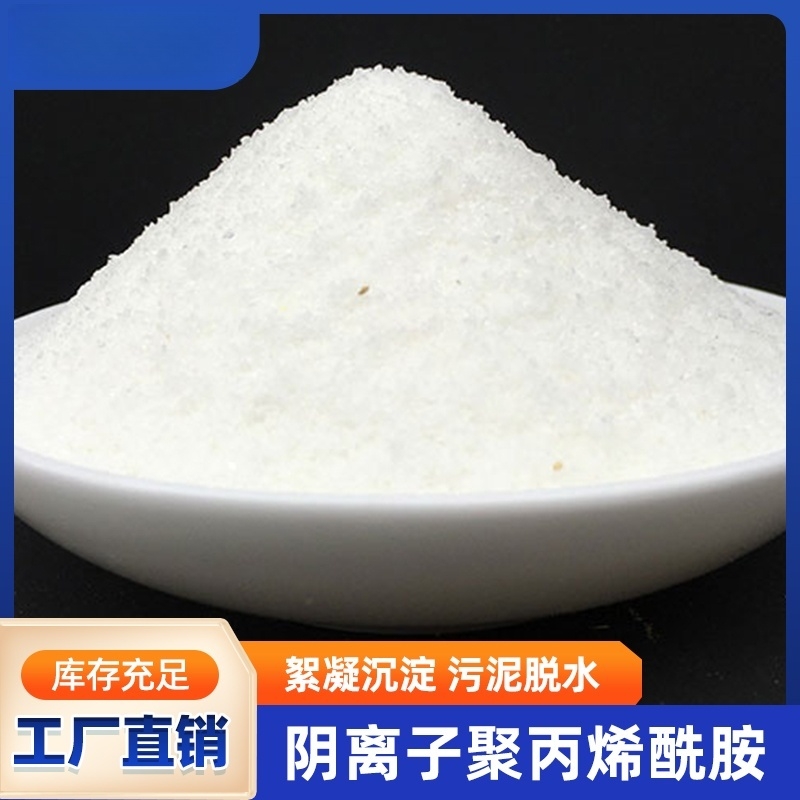
Muyong (Shanghai) International Trade Co., Ltd. specializes in the international trade of water treatment materials, building a technical system covering core products such as activated carbon, polyacrylamide, and polyaluminum chloride with over a decade of industry experience. For coal washing wastewater treatment, the company focuses on three major technical directions: 1) High-efficiency adsorption materials, such as coconut shell granular activated carbon (iodine value ≥1000mg/g, specific surface area ≥1000m²/g), which can rapidly adsorb heavy metal ions and organic matter in wastewater, with an adsorption capacity 30% higher than traditional materials; 2) High-molecular-weight flocculants, such as cationic polyacrylamide (molecular weight 8-12 million, charge density 20-40%), achieving efficient sedimentation of suspended matter through charge neutralization and bridging, reducing sedimentation time to within 10 minutes; 3) Composite reagent formulations, combining polyaluminum chloride (Al₂O₃ content ≥30%) with sodium hydroxide (purity ≥99%), adjusting the pH of wastewater to 6-8, promoting the formation of heavy metal hydroxides, while reducing the amount of chemical reagents by 20%. The company's technical team provides full-process services from material selection, process design to equipment debugging, ensuring stable and compliant treatment effects.
FAQ: Coal Washing Wastewater Treatment Technology Selection Guide
Q1: How to choose the appropriate activated carbon type for coal washing wastewater?
A1: Prioritize activated carbon with high specific surface area and high iodine value for coal slurry wastewater treatment. Coconut shell granular activated carbon, with its well-developed pore structure (micropore content ≥80%), exhibits significantly higher adsorption efficiency for heavy metals (such as mercury, lead) and small molecular organic substances (such as benzene derivatives) than coal-based activated carbon. In practical applications, it is recommended to choose products with an iodine value of ≥1000mg/g and particle size of 0.5-3mm, which can balance adsorption capacity and hydraulic resistance. Mu Rong Company's coconut shell activated carbon has passed ISO 9001 quality certification, meets Japanese Industrial Standards (JIS K1474), and can be supplied stably.
Q2: How does the selection of polyacrylamide affect the flocculation effect?
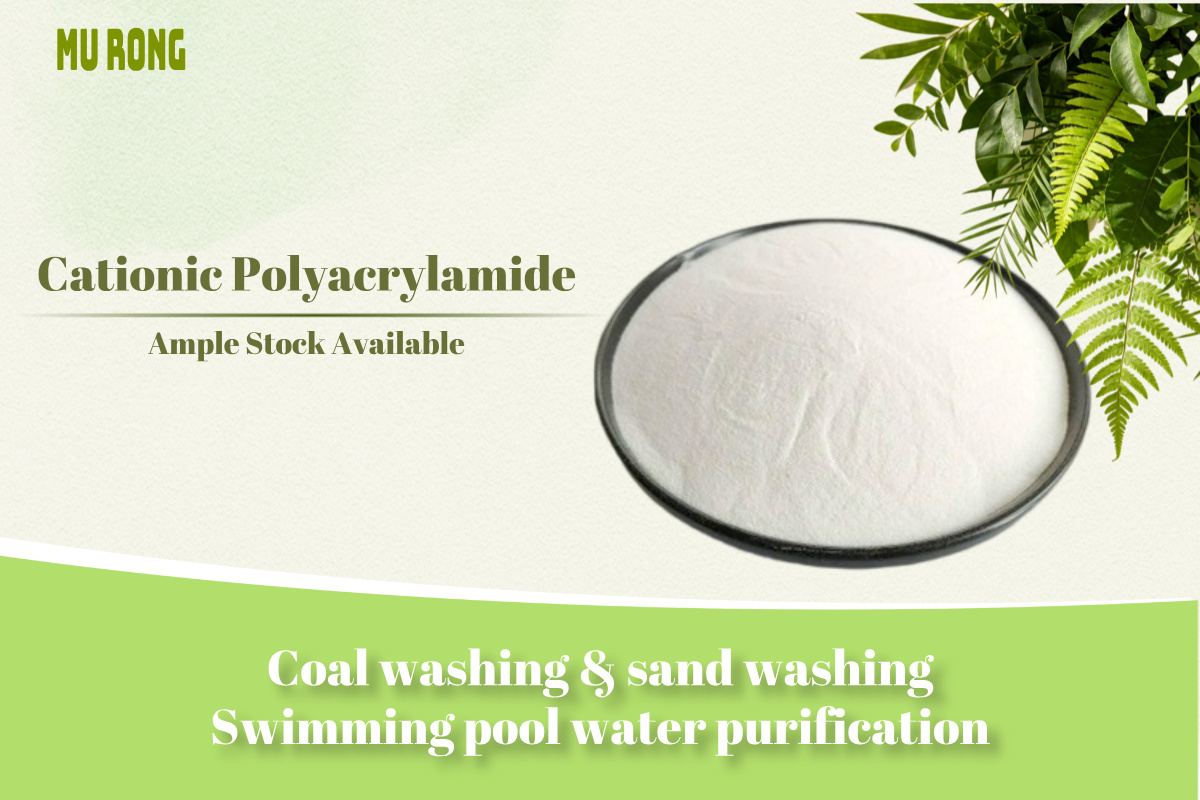
A2: The selection of polyacrylamide should be adjusted according to the wastewater quality, with molecular weight and charge density. Coal washing wastewater suspension is mainly composed of coal powder, carrying negative charges, and it is advisable to use cationic polyacrylamide (molecular weight 8-12 million, charge density 20-40%), achieving rapid flocculation through charge neutralization and bridging. If the wastewater contains a high oil content, non-ionic polyacrylamide (molecular weight 15-18 million) can be co-applied to enhance the wrapping capacity for oil droplets. Mu Rong Company can provide free sample tests and optimize the formula based on the actual flocculation effect.
Q3: How to balance processing cost and achievement rate?
A3: Cost optimization requires efforts in both material selection and process design. In terms of materials, prioritize composite reagents (such as aluminum chloride polymer + sodium hydroxide), which can reduce the dosage by 20% compared to single reagents. In terms of process, adopt the combined process of "pretreatment (pH adjustment) + coagulation sedimentation + activated carbon adsorption," which can reduce the frequency of activated carbon replacement. Mu Rong Company once designed an integrated treatment equipment for a Japanese coal washing plant, through optimizing the dosing sequence of reagents and the sedimentation pond structure, the cost of treating one ton of water was reduced by 15%, while meeting the discharge standards of the "Japanese Water Pollution Prevention and Control Law."
Full Summary: Mu Rong Company's Technical Value and Industry Reference
Japan's coal washing wastewater treatment needs to balance efficiency, cost, and environmental compliance. Mufeng (Shanghai) International Trade Co., Ltd. provides a replicable solution for the industry by offering high-performance water treatment materials and customized technical services. Its core strengths are: first, the material performance indicators (such as the iodine value of activated carbon, the molecular weight of polyacrylamide) reach international advanced levels, ensuring stable compliance with Japan's stringent emission standards; second, the technical team has extensive project experience, capable of quickly responding to customer needs and providing full-process support from laboratory pilot tests to industrial applications; third, through international trade arrangements, it reduces material procurement costs, helping customers achieve cost reduction and efficiency improvement. For coal washing wastewater treatment enterprises, choosing Mufeng means not only obtaining high-quality materials but also a proven technical system and long-term service guarantee.