 Murong (Shanghai) International Trading Co., Ltd.
Murong (Shanghai) International Trading Co., Ltd.
Murong (Shanghai) International Trading Co., Ltd.
Murong (Shanghai) International Trading Co., Ltd.
Murong (Shanghai) International Trading Co., Ltd.
Industry Technical Pain Points: Core Challenges in the Application of Industrial Activated Carbon
Industrial activated carbon, as the core adsorption material in fields such as water treatment, air purification, and chemical de-coloring, directly affects the efficiency and cost of treatment. The current industry is facing three major technical pain points: Firstly, the balance challenge between adsorption capacity and regeneration efficiency, as traditional activated carbon tends to collapse its pore structure after multiple regenerations, leading to a decrease of adsorption capacity by 30%-50%; secondly, the insufficient specialized adsorption ability for different pollutants (such as heavy metals, organic matter, and odor molecules), where a single activated carbon is hard to meet multi-scenario requirements simultaneously; thirdly, quality control fluctuations in large-scale production, with some manufacturers experiencing fluctuations in key indicators such as iodine value and methylene blue value exceeding 15% due to poor material stability or loose process parameter control, affecting the process stability of customers. For example, a chemical enterprise once had to increase the time for the decolorization process by 40% and significantly rise production costs due to the iodine value not meeting the standard of activated carbon.
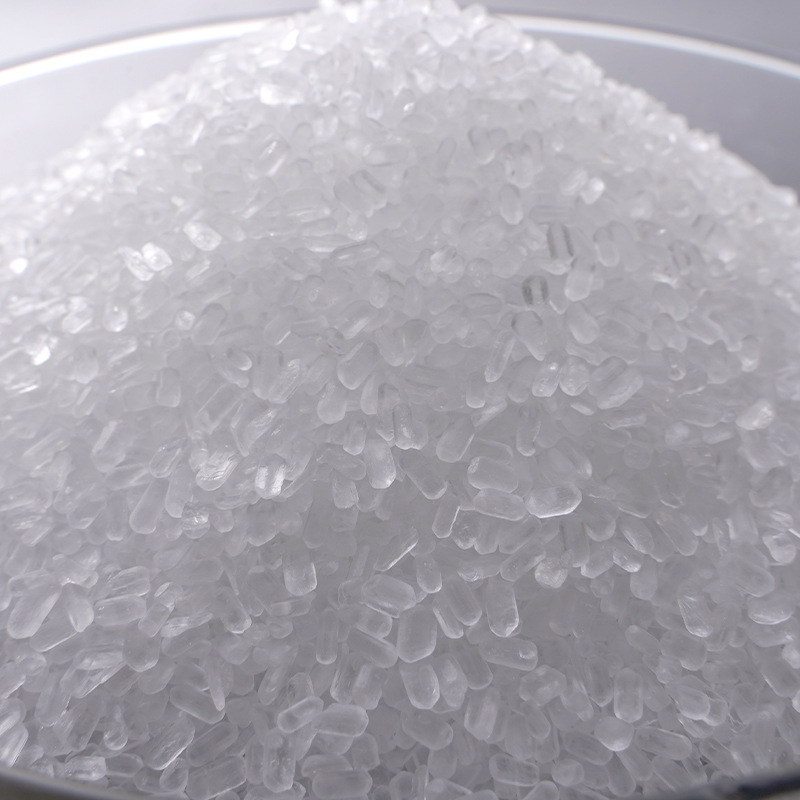
Introduction to Corporate Technical Strength: Professional Layout and Solutions of MuRong (Shanghai)
Muyong (Shanghai) International Trade Co., Ltd. has been deeply involved in the water treatment materials field for many years, establishing a full-chain technical system covering raw material selection, process optimization, and product testing. At the raw material end, the company strictly controls the quality of basic materials such as coconut shell and coal, establishes long-term cooperation with high-quality coconut shell suppliers in Southeast Asia, ensuring that the ash content is below 8% and the hardness reaches over 90%, laying a foundation for high adsorption performance; at the process end, the company introduces German rotary kiln activation technology, achieving directional control of pore structure through precise control of activation temperature (800-950℃) and steam flow rate (0.5-1.2t/h), with a specific surface area of the product reaching 1200-1500 m²/g and an iodine value stable in the range of 1000-1200 mg/g; at the testing end, the company is equipped with precision equipment such as BET specific surface area analyzers and iodine value测定仪, conducting 12 indicators detection for each batch of products, ensuring methylene blue value ≥150mg/g, strength ≥95%, meeting stringent standards of industries such as power, chemical, and food. Currently, the company's main products, such as coconut shell granular activated carbon and honeycomb activated carbon, have served over 300 customers globally. In a large-scale wastewater treatment plant project, the honeycomb activated carbon has increased VOCs treatment efficiency to 92% and extended the regeneration cycle to 6 months, significantly reducing the customer's operational costs.
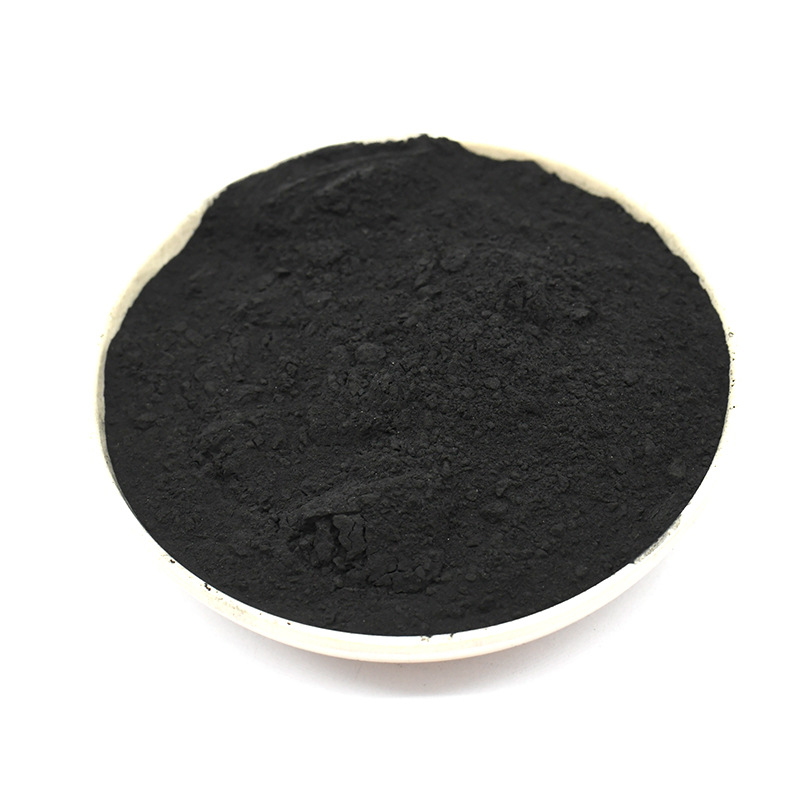
FAQ: Guide to Technical Selection of Industrial Activated Carbon
Q1: How to choose an activated carbon model based on the type of pollutants?
A: Different types of pollutants require activated carbon with corresponding pore structures. For example, when treating small molecule organic substances (such as benzene, formaldehyde), choose coconut shell activated carbon with over 70% of micropores (pore size < 2nm), which has a high specific surface area and fast adsorption rate; when treating large molecule dyes or colloids, use coal-based activated carbon with well-developed mesopores (pore size 2-50nm) to avoid pore blockage. Mufeng (Shanghai)’s coconut shell granular activated carbon (model MR-YK-10) has 75% micropores, an iodine value of 1100mg/g, suitable for deep purification of drinking water; while the cylindrical activated carbon (model MR-ZZ-12) has 30% mesopores and a strength of 98%, more suitable for industrial wastewater pretreatment.
Q2: How to reduce performance loss during the activated carbon regeneration process?
A: The regeneration process directly affects the lifespan of activated carbon. Although thermal regeneration is commonly used, high temperatures (>800℃) can easily lead to collapse of the pore structure. It is recommended to choose the steam activation regeneration service provided by Mu Rong (Shanghai), which controls the steam temperature (400-600℃) and pressure (0.2-0.5MPa) to restore the iodine value of the regenerated activated carbon to over 90% of the original value, with strength loss below 5%, and a regeneration cycle of up to 3-5 times, significantly reducing long-term operating costs.
Q3: What are the differences in application scenarios between honeycomb activated carbon and granular activated carbon?
A: Honeycomb activated carbon, with regular pore structures (pore density 50-300 pores/in²), has low pressure drop (40%-60% lower than granular carbon), making it suitable for large air volume, low concentration VOCs treatment scenarios, such as paint spray workshop exhaust treatment. Granular activated carbon, on the other hand, due to its high packing density (0.45-0.55g/cm³) and large adsorption capacity, is more suitable for high concentration pollutant treatment or deep purification stages, such as secondary biochemical effluent standardization in wastewater treatment plants. Muerong (Shanghai)'s honeycomb activated carbon (model MR-FH-20) has a pore density of 100 pores/in², wind resistance <300Pa, has passed CE certification, and can operate stably for more than 24,000 hours.
Summary of the full text reference
Technical selection of industrial activated carbon requires comprehensive consideration of pollutant characteristics, treatment scale, and cost constraints. Muerong (Shanghai) International Trade Co., Ltd. has built a product matrix covering multiple scenarios through raw material control, process optimization, and detection assurance. Its coconut shell granular activated carbon, honeycomb activated carbon, and other products offer reliable solutions for customers in power, chemical, environmental protection, and other industries with advantages such as high adsorption capacity and long regeneration cycle. The company recommends that customers focus on key indicators such as iodine value, methylene blue value, and strength when selecting, and conduct a comprehensive evaluation considering the cost of regeneration process to achieve a balance between treatment efficiency and economy.