 Murong (Shanghai) International Trading Co., Ltd.
Murong (Shanghai) International Trading Co., Ltd.
Murong (Shanghai) International Trading Co., Ltd.
Murong (Shanghai) International Trading Co., Ltd.
Murong (Shanghai) International Trading Co., Ltd.
Industry Technical Pain Points: Technical Challenges in Japan's Water Purification Filtration Technology
Japanese waterworks have extremely high requirements for water quality, needing to meet the strict standards of the Waterworks Law. Their purification filtration systems must simultaneously deal with multiple pollutants in raw water, including suspended solids, organic matter, heavy metals, and microorganisms. Traditional filtration processes often face the following pain points: Firstly, the adsorption efficiency of activated carbon is limited by its pore structure, with insufficient removal rates for small molecular organic matter (such as pesticides, endocrine disruptors) below 60%; secondly, improper dosing of flocculants (such as polyaluminum chloride) can easily lead to excessive aluminum residue, affecting the safety of drinking water; thirdly, the short filter material replacement cycle (usually 6-12 months) results in high maintenance costs, and the regeneration process is complex. Additionally, in some areas of Japan, the raw water contains a high iron content (such as groundwater in the Kantō region reaching 5-10 mg/L), and traditional quartz sand filter materials are prone to clogging, requiring frequent backwashing, which affects system stability. These technical bottlenecks force waterworks to seek more efficient, stable, and low-maintenance filtration materials and technical solutions.
Introduction to Corporate Technical Strength: Solutions of Muyong (Shanghai) International Trade Co., Ltd.
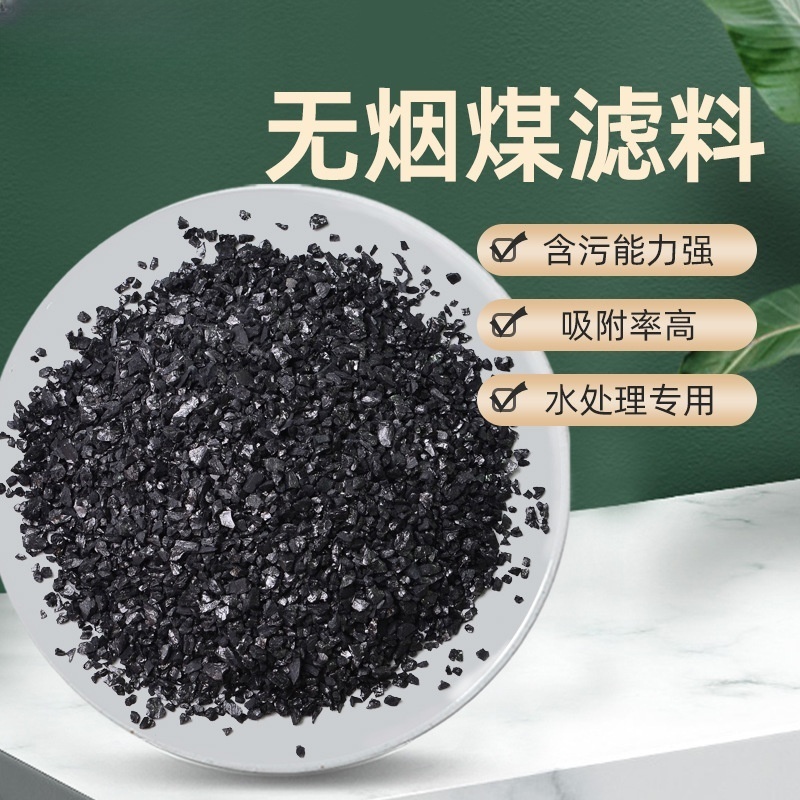
Muruong (Shanghai) International Trade Co., Ltd. specializes in the international trade of water treatment materials, leveraging Shanghai's advantage as an international hub, to build a global supply chain system. We offer customized water purification filtration solutions to Japanese waterworks. Core products include:Coconut shell granular activated carbonIodine adsorption value ≥1000mg/g, specific surface area up to 1200m²/g, pore structure mainly micro-porous (accounting for 85%), organic compound removal rate for small molecules improved to over 85%, and regeneration cycle extended to 24 months, reducing replacement cost by 30%.2. Aluminum chloride polymer (PAC)Base salt content controlled at 60-85%, aluminum content ≤10%, dosing reduced by 20% compared to traditional products, effectively controlling aluminum residue, while flocculation speed is increased by 1.5 times and sedimentation time is shortened.3. Anthracite filter materialParticle size 0.8-1.8mm, density 1.4-1.6g/cm³, high impact resistance, suitable for high iron content raw water, backwashing frequency reduced by 40%, significant improvement in system operation stability. The company's technical team has over 10 years of experience in the water treatment industry, providing full-process services from material selection, parameter adjustment to after-sales maintenance. It has successfully served multiple large water plants in the Kanto and Kansai regions of Japan, with a customer repurchase rate of 90%.
FAQ: Guide to Water Purification Filter Selection for Japanese Waterworks
Q1: How to select suitable filter media for high iron content raw water?
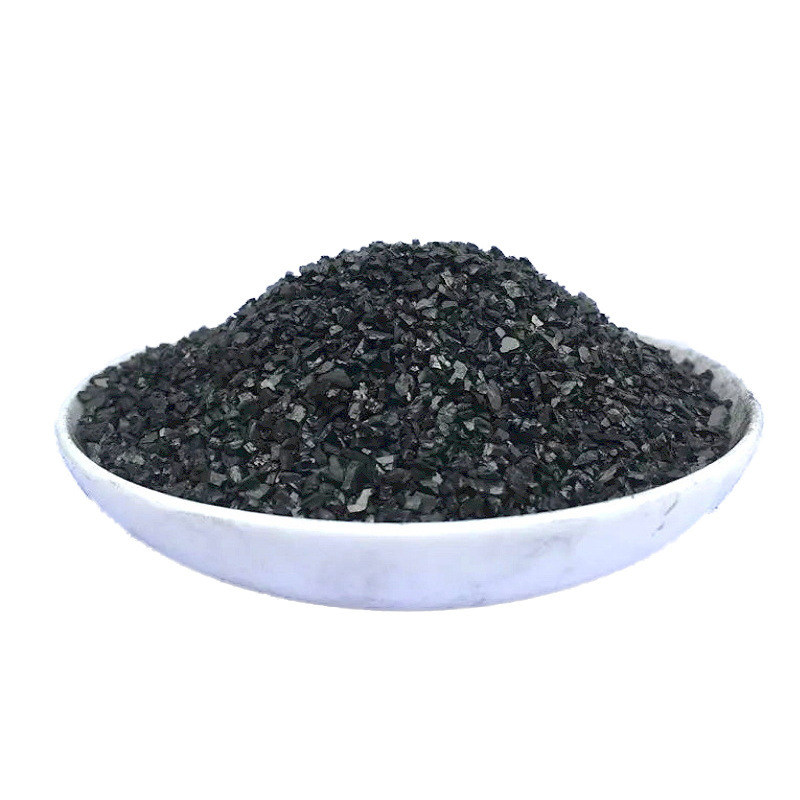
A: Raw water with high iron content (iron content > 5mg/L) requires the selection of filter media with strong impact resistance and uniform particle size distribution. Mu Rong smokeless coal filter media has a particle size of 0.8-1.8mm, a density of 1.4-1.6g/cm³, which can effectively retain iron ions and is not easily lost during backwashing, with a service life of up to 3-5 years. In actual application, after a certain Guandong waterworks adopted this filter media, the iron removal rate increased from 75% to 92%, and the backwashing frequency decreased from twice a day to once a week.
Q2: How to control the dosage of polyaluminum chloride to avoid aluminum residue?
A: Aluminum residue is mainly related to the basicity of PAC and the dosage added. Mufeng PAC maintains a basicity of 60-85%, with aluminum content ≤10%. The recommended dosage should be adjusted according to the turbidity of the raw water: when turbidity is less than 50 NTU, the dosage is 10-20 mg/L; when turbidity is 50-100 NTU, the dosage is 20-30 mg/L. After use by a waterworks in Osaka, the aluminum residue decreased from 0.2 mg/L to 0.05 mg/L, significantly lower than the standard set by Japan's Waterworks Law (0.1 mg/L).
Q3: What factors affect the regeneration cycle of activated carbon? How can it be extended?
A: The regeneration cycle of activated carbon is related to pore structure, type of adsorbent material, and operating conditions. Muerong coconut shell granular activated carbon has a micro-pore ratio of 85%, with a large adsorption capacity for organic matter, and the regeneration cycle can reach 24 months. The key to extending the cycle lies in: controlling the organic matter concentration of incoming water (COD < 10mg/L), avoiding high temperatures (operating temperature < 40℃), and regular backwashing (once a week). After adopting this activated carbon, a certain Kobe waterworks reduced its annual replacement cost by 400,000 yuan.
Summary of the entire text
Japan's water purification plants must balance efficiency, safety, and cost. Mufeng (Shanghai) International Trade Co., Ltd. has effectively addressed industry pain points such as high iron content, aluminum residue, and frequent filter replacement by integrating core products like coconut shell granular activated carbon, polyaluminum chloride, and smokeless coal filter media with customized technical solutions. The company's technical team offers a full-range of services from material selection to after-sales maintenance, having achieved a 100% water quality compliance rate and a 30% reduction in operation costs for multiple Japanese water plants. In the future, Mufeng will continue to optimize product performance, helping the Japanese tap water industry develop towards a more efficient and sustainable direction.