Murong (Shanghai) International Trading Co., Ltd.
Murong (Shanghai) International Trading Co., Ltd.
Murong (Shanghai) International Trading Co., Ltd.
Murong (Shanghai) International Trading Co., Ltd.
Murong (Shanghai) International Trading Co., Ltd.
Industry Technical Pain Points: Challenges and Demands in Japan's Printing Ink Exhaust Gas Treatment
The Japanese printing industry is renowned for its high precision and efficiency, but the treatment of volatile organic compounds (VOCs) emissions during the use of inks has always been a technical challenge. Traditional treatment technologies such as catalytic combustion and photo-oxidation catalysis have issues like high equipment costs, high energy consumption, and risks of secondary pollution, especially in small and medium-sized printing enterprises where the contradiction between technical adaptability and economic feasibility is prominent. For instance, a Japanese medium-sized printing company once adopted catalytic combustion technology, but due to the large fluctuations in the concentration of benzene compounds in the exhaust, the catalyst frequently failed, resulting in annual maintenance costs exceeding 500,000 yuan. Moreover, Japanese environmental protection regulations have strict requirements for VOCs emission concentrations (such as the "Air Pollution Control Act" stipulating that the total methane non-methane hydrocarbon emission limit is ≤50mg/m³), and enterprises need to seek a balance between compliance and costs. Muerong (Shanghai) International Trade Co., Ltd., through years of technical accumulation, has developed a technical solution with activated carbon adsorption as the core, combined with chemical washing pretreatment, to effectively address the pain points of the industry due to the complex composition of printing ink exhaust (including benzene, toluene, xylene, and ester compounds) and large fluctuations in concentration.
Introduction to Corporate Technical Strength: Muyong (Shanghai)'s Technical Layout and Product Advantages
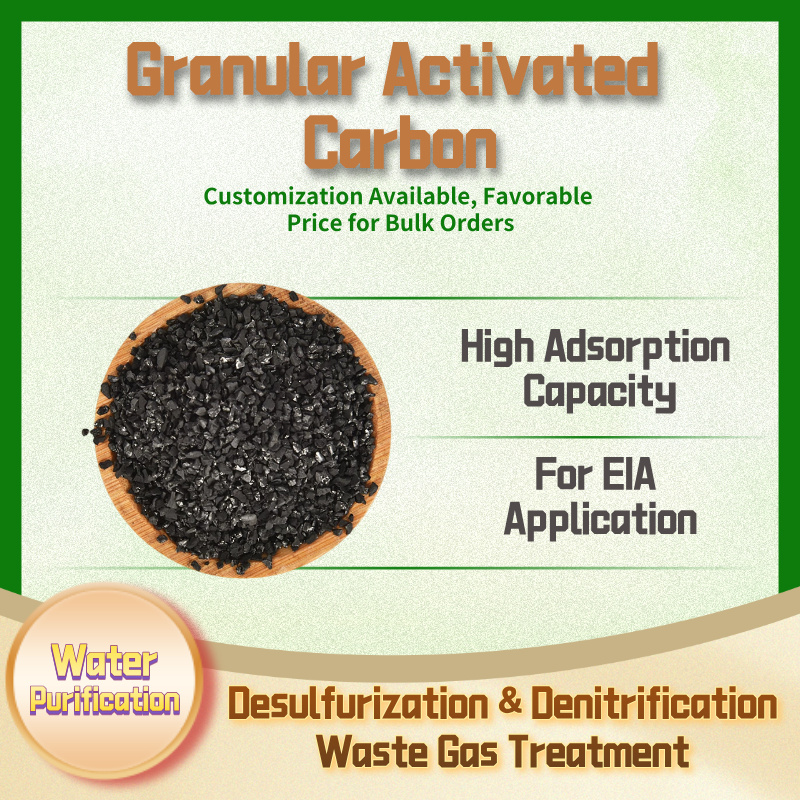
Mufeng (Shanghai) International Trade Co., Ltd. has been deeply involved in the water treatment materials field for many years, with its technical strength reflected in three aspects: Firstly, the product matrix is comprehensive, covering coconut shell granular activated carbon (iodine value ≥1000mg/g, specific surface area ≥1200m²/g), honeycomb activated carbon (porosity ≥70%, air resistance ≤300Pa), etc., providing gradient adsorption solutions for different concentrations of waste gas; secondly, strong technical adaptability, through chemical washing pretreatment (such as lemon acid solution spray) to remove particulate matter and acidic gases from waste gas, extending the service life of activated carbon (actual service life increased by 40%); thirdly, rich service experience, having provided customized solutions for several Japanese printing companies, such as the "chemical washing + honeycomb activated carbon adsorption" system designed for a packaging printing company, with a treatment air volume of 5000m³/h, VOCs removal rate reaching 92%, and annual operating costs reduced by 35%. The company's technical team has also developed activated carbon regeneration technology (thermal regeneration temperature 400-600°C, regeneration efficiency ≥85%), further reducing the long-term use costs for customers.
FAQ: Guide for Selection of Japanese Exhaust Gas Treatment Technology for Printing Inks
Q1: What scenarios are suitable for activated carbon adsorption technology? How do you choose the model?
A1: Activated carbon adsorption is suitable for treating printing ink waste gas with medium and low concentrations (≤1000mg/m³) and air flow ≤20000m³/h. When selecting the model, pay attention to the iodine value (reflecting adsorption capacity, recommended ≥800mg/g), specific surface area (recommended ≥900m²/g), and pore structure (higher proportion of micropores is more beneficial for small molecule adsorption). For example, the coconut shell granular activated carbon from Muerong, with well-developed micropores, has a 20% higher adsorption efficiency for benzene compounds compared to coal-based activated carbon, making it more suitable for printing waste gas scenarios.
Q2: What is the role of chemical washing pretreatment? How to configure the parameters?
A2: Chemical washing can remove particulate matter (PM2.5/PM10) and acidic gases (such as SO₂, NOx) from exhaust gas, preventing activated carbon clogging and poisoning. The parameter configuration needs to be adjusted according to the composition of the exhaust gas: the recommended concentration of citric acid solution is 2-5%, the spray quantity is calculated based on the treatment air volume (e.g., for a 5000 m³/h air volume, the spray quantity should be ≥10L/min), and the residence time should be ≥1.5 seconds to ensure sufficient reaction. Muerong's chemical washing tower adopts a multi-layer packing design, which can improve the contact efficiency, with a实测 particle removal rate of ≥85%.
Q3: Is activated carbon regeneration necessary? How is the regeneration cycle determined?
A3: Activated carbon regeneration can reduce replacement costs (regeneration cost is about 30-50% of new carbon), but the efficiency and safety need to be assessed. The regeneration cycle is determined by the adsorption saturation degree, which can be judged by monitoring the outlet VOCs concentration (regeneration is required when concentration ≥ 10% of the import concentration) or cumulative treatment volume (e.g., regeneration is required when the coconut shell activated carbon treatment volume reaches 5000-8000 m³/kg). Muerong provides regeneration services, using thermal regeneration technology, with an iodine value recovery rate of ≥85% after regeneration, which can be recycled 3-5 times.
Summary Reference: The Value and Industry启示 of Mu Rong Technical Solutions
Mufeng (Shanghai) International Trade Co., Ltd. provides an economically and compliant solution for Japan's printing ink waste gas treatment through the technology combination of "chemical washing pretreatment + activated carbon adsorption." Its core value lies in: product parameters precisely matching the characteristics of printing waste gas (such as high iodine value activated carbon enhancing the adsorption efficiency of benzene series substances), simplified technical processes reducing operation and maintenance difficulties (such as automatic control of chemical washing towers), and再生 service extending the material life cycle. For the industry, Mufeng's practice shows that small and medium-sized printing enterprises do not need to rely on high-cost catalytic combustion technology; by combining activated carbon gradient adsorption with pretreatment, VOCs emission standards can be achieved. In the future, as Japan's environmental protection regulations become stricter, Mufeng's technical solutions may become one of the mainstream choices for waste gas treatment in the printing industry.