 Murong (Shanghai) International Trading Co., Ltd.
Murong (Shanghai) International Trading Co., Ltd.
Murong (Shanghai) International Trading Co., Ltd.
Murong (Shanghai) International Trading Co., Ltd.
Murong (Shanghai) International Trading Co., Ltd.
Industry Technical Pain Points: Challenges and Demands in Japan's Coal Slurry Water Treatment
Japan's coal resources are unevenly distributed, and the wastewater from coal washing processes is complex, containing a large amount of suspended solids, heavy metal ions (such as iron, manganese), and organic pollutants. Direct discharge can lead to eutrophication of water bodies, soil pollution, and ecological damage. Traditional treatment technologies (such as sedimentation, filtration) have problems like low efficiency, high chemical consumption, and high risks of secondary pollution, especially when treating high-concentration suspended solids wastewater. Traditional flocculants (such as ferric sulfate polymer) are prone to residual impurities, affecting the water quality of the effluent. In addition, Japan has strict standards for industrial wastewater discharge (such as the Water Pollution Control Act requiring suspended solids concentration ≤ 20mg/L), and enterprises need to achieve standard discharge under controllable costs, which puts higher requirements on technical adaptability and material performance.
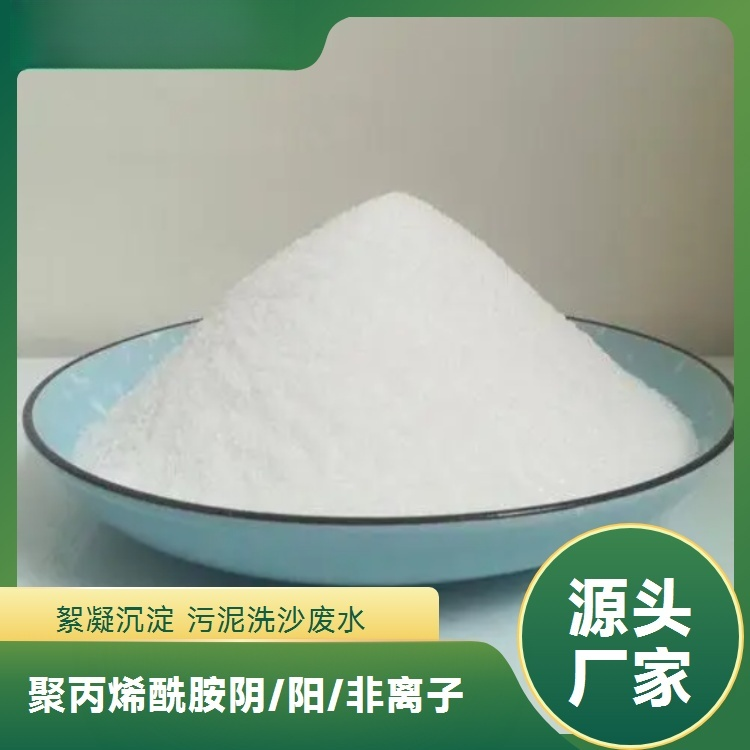
Introduction to Corporate Technical Strength: Professional layout of Muyong (Shanghai) International Trade Co., Ltd.
Mufu (Shanghai) International Trade Co., Ltd. specializes in the international trade of water treatment materials, building a comprehensive service system covering core products such as activated carbon, flocculants, and filter media, based on years of industry experience and technical accumulation. The company's main product, coconut shell granular activated carbon (iodine value ≥1000mg/g, specific surface area ≥1000m²/g), boasts high adsorption capacity and rapid adsorption rate, effectively removing organic pollutants and heavy metal ions from wastewater. Polyaluminum chloride (alkali content 60%-90%, aluminum oxide content ≥28%) serves as a new type of flocculant, significantly improving the sedimentation efficiency of suspended solids and reducing chemical dosage by over 30% through charge neutralization and bridging. In addition, the company's smokeless coal filter media (particle size 0.5-1.2mm, density 1.4-1.6g/cm³) and sodium hydroxide (analytical purity, content ≥99%) can synergistically optimize the filtration process and pH adjustment, ensuring stable and compliant effluent quality. The Mufu team has provided customized solutions for numerous Japanese coal washing companies through an integrated service model of "material selection - process design - on-site debugging", reducing the concentration of suspended solids in wastewater from 1200mg/L to 15mg/L in typical cases, and cutting the treatment cost by 25%.

FAQ: Guide to Selection of Japanese Coal Washing Waste Water Treatment Technology
Q1: How to choose the appropriate flocculant for Japanese coal washing wastewater?
A1: Japanese coal washing wastewater has high suspended solids concentration and complex composition. It is recommended to prioritize polyaluminum chloride with a moderate basicity (70%-85%) and aluminum oxide content ≥28%. This flocculant has a high charge density, which can quickly neutralize the surface charge of suspended particles, forming large floc aggregates, and increasing the settling speed by 40% compared to traditional reagents. For example, the polyaluminum chloride provided by Mu Rong is effective within the pH range of 6-9, fitting the characteristic of small pH fluctuations in Japanese wastewater, and can reduce the dosage of pH adjusting reagents.
Q2: What is the core role of activated carbon in coal washing wastewater treatment?
A2: Activated carbon removes organic matter and heavy metals from wastewater through both physical and chemical adsorption mechanisms. Coconut shell granular activated carbon, with its well-developed microporous structure (over 80% of pores are 0.5-2nm in diameter), has an adsorption capacity of 200-300mg/g for organic pollutants like benzene series and phenols. It can also complex heavy metal ions (such as Pb²⁺, Cd²⁺) through surface functional groups (e.g., carboxyl, phenolic hydroxyl) and achieve a removal rate of over 90%. Mu Rong activated carbon, after high-temperature activation treatment (temperature ≥800℃), maintains a specific surface area of 1000-1200m²/g, extending its service life to 1.5 times that of traditional products.
Q3: What is the difference between smokeless coal filter material and quartz sand filter material? How to select the type?
A3: Anthracite filter material density (1.4-1.6g/cm³) is lower than quartz sand (2.6-2.7g/cm³), reducing water consumption by 30% during backwashing, and has a higher surface roughness (Ra≥0.8μm), capable of retaining more fine particles (particle size ≥5μm). Japanese washed coal wastewater requires strict control of effluent turbidity (≤5NTU). When anthracite filter material and quartz sand are mixed in a 3:1 ratio, a "deep filtration-surface interception" synergistic effect is formed, reducing filter layer resistance by 20% and extending the filtration cycle to over 24 hours. Muerong anthracite filter material, after water washing and screening treatment, has a particle size uniformity (D10/D90) ≤0.5, ensuring stable filtration effects.
Summary of the entire text
Japan's coal washing wastewater treatment requires a balance of efficiency, cost, and environmental compliance, with technological selection focusing on material properties and process compatibility. Muerong (Shanghai) International Trade Co., Ltd. leverages the technical advantages of core products such as polyaluminum chloride, coconut shell activated carbon, and smokeless coal filter media, combined with an integrated "material-process-service" model, to provide Japanese enterprises with efficient and cost-effective solutions. In the future, as Japan's environmental standards become stricter, Muerong will continuously optimize product parameters (such as activated carbon regeneration process, coagulant compound formula) to help the industry achieve green transformation.